
Same-day & Next-day Delivery

Quality Guaranteed

Unlock Your Welcome Offers: FREE Delivery | Up to 80% OFF | Free 30-day JoyPlus trial
Download the APP
After a day spent in front of a screen, several hours behind the wheel, or a night in an uncomfortable position, your neck and shoulders can quickly become stiff. A heated neck massager can offer a moment of relaxation at home, but not all devices meet the same expectations. Shiatsu massage, vibrations, heat, electrical impulses, or a simple ergonomic pillow: it's worth examining a few criteria before making your choice.
The "heated" label doesn't necessarily tell you much about the heat level, the area covered, or the duration of use. A temperature that's too high can become uncomfortable, especially during a longer session. Check for multiple heat levels, a timer, and clear usage instructions.
Some devices specify a precise temperature range. The Breo P2, for example, offers two levels between 40 and 45 °C. However, the instruction manual should always be your reference: if the manufacturer recommends it, avoid direct contact with the skin.
A neck massager packed with programmes isn't necessarily more pleasant to use. Controls that are difficult to understand, poorly managed intensity, or a structure that's too rigid can end up putting you off, even after just a few weeks.
For regular use, focus instead on a clear interface, an automatic shut-off function, and gradual adjustment. The Medisana NM 990, for example, switches off after 15 minutes, while other models recommend sessions of 10 to 20 minutes.
A neck and shoulder massager that's too heavy can quickly become uncomfortable when sitting down. Conversely, a corded model lacks flexibility in an office or living room. So look at its weight, cable length, charging type — especially USB-C — and whether the cover can be removed.
A washable cover is also a real plus, especially if the device is used frequently on the neck, back, or shoulders.
Shiatsu massage typically relies on rotating heads that mimic mechanical kneading. It can suit those looking for targeted pressure, but may feel quite intense during the first few uses. Vibration devices offer a different sensation, often gentler.
An electric neck massager should fit the shape of your neck and shoulders properly. Adjustable straps make it easier to keep in place and avoid having to hold the device at arm's length. If you plan to use it on several parts of your body, also check whether it can be placed on your back, lower back, or thighs.
A portable cordless massager is handy for moving around the house or using at the office, provided its battery life is sufficient. The Medisana NM 990 has a battery rated for around two hours of use, which is nearly eight 15-minute sessions, with a charging time of about one hour.
The SKG H7, for its part, claims a 2,000 mAh battery and around 90 minutes of battery life. These figures are indicative: the intensity selected, the heat, and the frequency of sessions can all affect the actual battery life you experience.
EMS and TENS technologies work using electrical impulses. They should not, therefore, be confused with a simple mechanical massage. The SKG G7 Pro-Fold combines these functions with vibrations and several heat levels, but its manual advises against use with a pacemaker, certain implanted devices, or on damaged skin.
Before buying, take the time to read the list of contraindications. If you are pregnant, have a heart condition, a neck injury, an implanted medical device, or are undergoing particular treatment, seek advice from a healthcare professional. These devices are designed to promote relaxation: they do not replace a diagnosis or medical treatment.
An ergonomic cervical pillow works mainly during rest, without a motor or battery. You need to consider its height, firmness, shape, and the sleeping position it is intended for. The models, presented with a height of 8 cm, use memory foam and a hollowed-out central area. The manufacturer advises letting the foam air out for 24 to 48 hours after unpacking.
A pillow does not provide a heated back massage, but it can complement a device if your priority is to support your head and neck properly during the night.
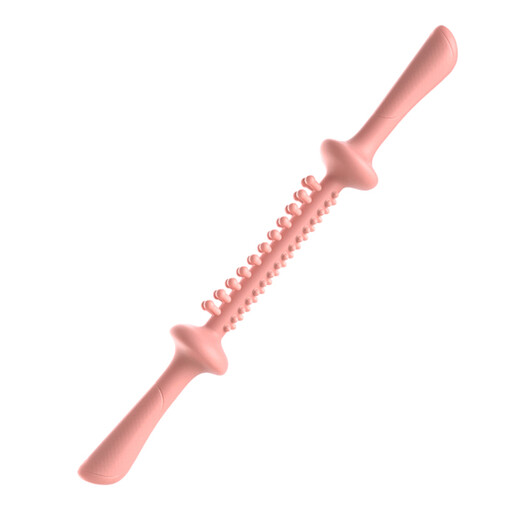
Why this choice suits this profile: Its manual design is ideal for those who want to discover neck massage without batteries or complex electronic settings.
It skips unnecessary features and the battery-life constraints of an electric device. However, the pressure remains manual and depends entirely on the user.
A format with no power supply and immediate use on the targeted area.
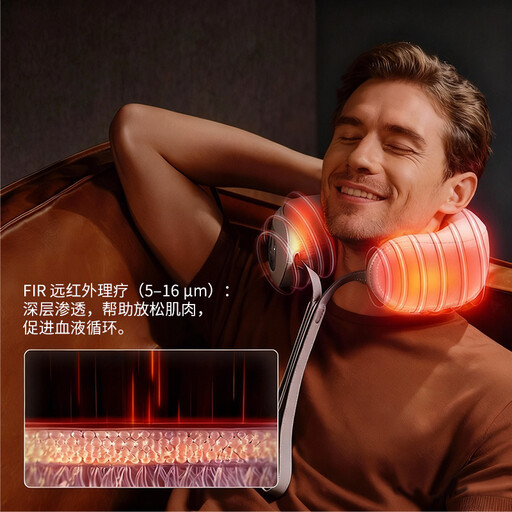
Why this choice suits this profile: It is aimed at users who want a wrap-around device for their relaxation sessions at home, whether sitting or slightly reclined.
The manual recommends use with the cover and advises against direct contact with the skin. A precaution that highlights the importance of controlling the heat properly.
42 claimed contact points, heat maintained at 43 °C according to the product sheet, and a washable cover.
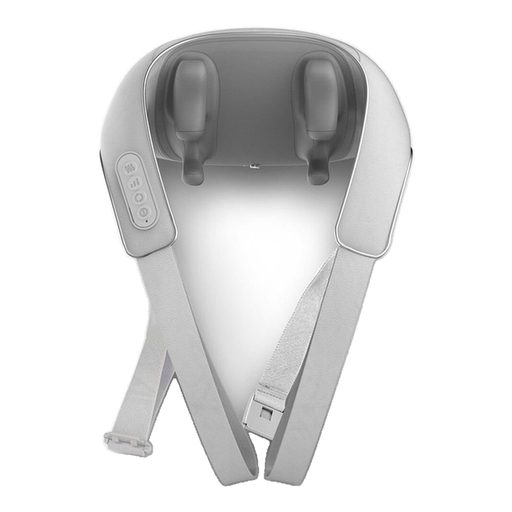
Why this choice suits this profile: Its cordless operation and hands-free design can suit remote workers as well as those who want to alternate between massage areas.
The three speeds, two rotation directions, and adjustable straps allow you to adapt the intensity rather than endure uniform pressure.
Four massage heads, a heat function, a built-in battery, and a removable, washable cover.
We have listed the products that best meet these demanding selection criteria and European safety regulations, in a complete list updated in real time.
Start with a short session, typically 10 to 15 minutes, at a moderate intensity. Follow the recommended duration in the manual and let the device cool down if necessary. Never fall asleep with an electric device.
It all depends on its power, charging time, and how often you use it. With a rechargeable model, the electricity cost per session is generally very low. Battery life, however, can vary depending on whether you activate the heat, vibrations, and massage at the same time.
No. An electric massager should never be used while driving, during any activity that requires attention, or near water. If you want to use it in the car, wait until you are parked and follow the manufacturer's safety instructions.