Homes with space for just one appliance on the floor
A washer-dryer lets you wash and dry in a single appliance. Be sure to check its drying capacity, though: Bosch models list separate capacities for washing and drying.


If you often dry large loads and can install two appliances, side by side or stacked using a compatible kit, consider a separate heat pump tumble dryer. If you only have space for one appliance on the floor, a washer-dryer saves you transferring laundry between two machines. However, its drying capacity may be lower than its washing capacity, so size your loads according to the lower of the two figures.
A washer-dryer lets you wash and dry in a single appliance. Be sure to check its drying capacity, though: Bosch models list separate capacities for washing and drying.
A separate tumble dryer has a dedicated drying capacity, provided you can make room for it or confirm that it can be safely stacked with your washing machine using the chosen kit.
A condenser tumble dryer, particularly a heat pump model, can be used without ducting to the outside. By contrast, Que Choisir explains that a vented model needs an external opening or access to suitable ducting.
In a small home, first check that the appliance will fit and can be loaded easily. Then compare its capacity with the amount of laundry you actually want to dry in each cycle.
| Consideration | What to check | What matters to shoppers |
|---|---|---|
| Space and installation | Measure the space, access route and clearance for the door. If stacking, check that both appliances and the kit are compatible. | I only have room for one appliance on the floor, and a stack might not fit in my home; around 36% of shoppers would put this space constraint first. |
| Drying capacity | Compare the capacities in kg for washing, the wash-and-dry cycle and, where relevant, a separate tumble dryer. | If I wash large loads, I want to avoid removing some laundry before drying. For around 29% of shoppers, drying a full load without splitting it would be the priority. |
| Energy use and cycle time | Check the stated energy consumption and the duration of the relevant programme. Only compare energy labels when they use the same rating framework. | When cycles are frequent, I want to know how much energy they use without overlooking how long they take; around 21% of shoppers would make running costs their top consideration. |
| Air and water | A vented appliance needs suitable air ducting. For a condenser model, check how water is handled and what maintenance the manual recommends. | Without external ducting, I need to rule out an installation that depends on it; around 14% of shoppers would put this installation constraint first. |
Choosing an appliance won’t, by itself, solve a ventilation problem in your home. ADEME notes that air-drying laundry releases moisture into the indoor air. If you’re already concerned about damp or ventilation, address that separately too.
The permitted load for a wash-and-dry cycle may be lower. For example, Bosch lists a 10 kg washing capacity and a 6 kg wash-and-dry capacity for the WDU8H500FF.
Compare both capacities in kg and plan your loads around the amount you want to finish drying without removing any laundry.
Matching dimensions aren’t enough to confirm that stacking is safe. Bosch advises checking which models are compatible; one of its stacking kits is designed for a washing machine with a depth of more than 55 cm.
Check the manuals for both appliances and only use a kit that’s listed as compatible with that specific combination.
According to Que Choisir, this type of tumble dryer needs an opening to the outside or ventilation ducting. Having a power socket isn’t enough to make installation possible.
Check the air outlet before choosing this appliance. If there isn’t a suitable one, consider a condenser model or a washer-dryer instead.
The European Commission Representation in France says that a revised energy label has applied to household tumble dryers since 1 July 2025. An old A+++ rating isn’t directly comparable with a rating on the current A to G scale.
When comparing appliances, check the applicable scale, stated energy consumption and the duration of the relevant programme. According to the European Commission, household tumble dryers newly placed on the EU market since 1 July 2025 must use heat pump technology; this rule does not automatically apply to washer-dryers.
Bosch offers both heat pump tumble dryers and washer-dryers. Its product information lets you compare a dedicated drying capacity with the capacity of a combined wash-and-dry cycle.
LG France’s range includes washer-dryers and separate heat pump tumble dryers. Compare them based on the drying capacity you need.
Electrolux offers separate 8 kg heat pump tumble dryers, which may be worth considering if that capacity suits your loads and you have space to install a second appliance.
These appliances show the two options available: four washer-dryers that combine washing and drying in one machine, and a separate heat pump tumble dryer if you have room to install one. Focus on the drying capacity you’ll actually have available and the space each appliance needs.
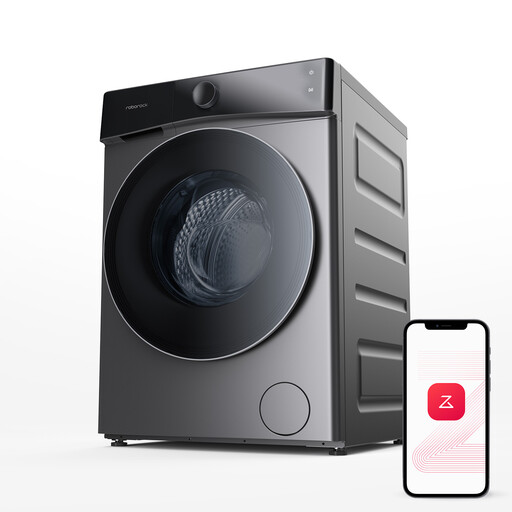 Image unavailable
Worth considering if you want to wash and dry with a single appliance. The title lists a 10 kg washing capacity and a 6 kg drying capacity, so keep your drying load within that lower limit.
Check the dimensions and door clearance against the space you have available.
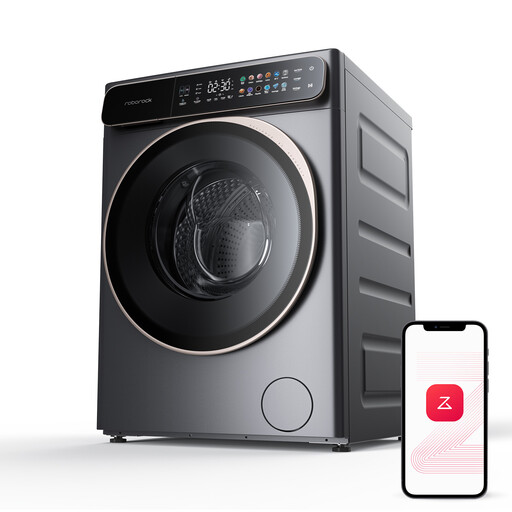 Image unavailable
This combined machine is worth considering if you only have space for one appliance on the floor. Its title lists a 10 kg washing capacity and a 6 kg drying capacity, so a full washing load won’t necessarily fit in a single drying cycle.
Check its dimensions and the length of the wash-and-dry cycle to see if they suit your needs.
 Image unavailable
This model combines both functions in one machine. Its title lists an 11 kg washing capacity but a 6 kg drying capacity, so check that the drying capacity suits the size of your usual loads.
Check its dimensions, including the space needed to open the door, against the space you have available.
 Image unavailable
Worth comparing if a combined appliance suits your space. The title lists a 10 kg washing capacity and a 6 kg drying capacity; use the drying figure as the limit for a complete cycle.
Check the duration and energy consumption of the wash-and-dry cycle that matches your usual loads.
 Image unavailable
This separate tumble dryer has a stated drying capacity of 8 kg. Allow space for it or check explicitly that it can be safely stacked with your washing machine.
Check its dimensions and programme times before deciding where to put it and how it will fit into your laundry routine.
No. A condenser tumble dryer with a heat pump doesn’t need air-exhaust ducting to the outside. However, check the space requirements in the manual and how the condensed water is handled, either by a tank or a connection if the model allows it.
Not if the load is larger than its drying capacity, which may be lower than its washing capacity. According to Bosch Home Appliances France, the WDU8H500FF can wash 10 kg but has a 6 kg wash-and-dry capacity, so you’ll need to reduce a 10 kg load before starting this cycle.
No. Stacking depends on the appliances and whether you have a compatible kit. Bosch Home Appliances France says one of its kits is suitable for a washing machine with a depth of more than 55 cm; check the exact model numbers in the manuals before installation too.
Follow the manual for your model when cleaning the filters, emptying the water and maintaining the condenser, if it’s accessible. Electrolux Support France recommends cleaning the filters and accessible condenser regularly, following the instructions for the specific appliance.
For a household tumble dryer sold in France, check the current A to G label and the energy consumption and programme duration figures for the relevant cycle. The European Commission Representation in France says the revised label has applied since 1 July 2025; don’t directly compare a rating from the old A+++ to D scale with the new one.