Households that do several loads in a row
If you can install two appliances, compare separate heat pump tumble dryers by capacity, eco programme duration and electricity use. Also check how the condensed water is collected or drained away.


If you have room for two appliances and often dry several loads of washing, a separate heat pump tumble dryer lets you dry clothes without venting air outside. If you only have space for one appliance, a washer-dryer saves you from adding another machine, but its drying capacity is lower than its washing capacity. Compare water and electricity use, as well as the duration of the full cycle. A vented tumble dryer needs a suitable outlet to the outside; according to the European Commission, only heat pump tumble dryers have been eligible to be placed on the EU market as new appliances since 1 July 2025.
If you can install two appliances, compare separate heat pump tumble dryers by capacity, eco programme duration and electricity use. Also check how the condensed water is collected or drained away.
A washer-dryer combines both functions in one machine. However, to dry a load without taking some clothes out after washing, keep the load within its drying capacity, which is usually lower than its washing capacity, as UFC-Que Choisir points out.
A vented tumble dryer needs a suitable opening or duct, according to UFC-Que Choisir. If you’re considering this type of appliance, also check the status of the offer: according to the European Commission, only heat pump models have been eligible to be placed on the EU market as new appliances since 1 July 2025.
Start by checking the space available and whether you can vent air outside, then compare drying capacity and cycle details with your laundry routine.
| Criteria | What to check | Your needs |
|---|---|---|
| Installation | Measure the space, access route and door clearance. A vented tumble dryer needs an outlet to the outside; a condenser model, including a heat pump model, does not need this duct, according to UFC-Que Choisir. | I only have room for one appliance, or no usable external vent: these constraints determine which appliances to consider. |
| Electricity | Compare the stated consumption for the relevant cycle and its duration, rather than looking at the technology alone. For a washer-dryer, distinguish between washing only and the wash-and-dry cycle; the European Commission says its energy label shows these details separately. | If I dry clothes regularly, I want to compare electricity use on a like-for-like basis without overlooking how long the cycle takes. |
| Capacity | For a washer-dryer, check the washing and drying capacities separately. For a separate tumble dryer, compare its capacity with that of your washing machine and your usual loads. | I want to dry a full load without taking some clothes out: the drying capacity is the figure that matters. |
| Water and cycle time | For a two-in-one appliance, check the water use and duration of the wash-and-dry cycle, not just those for washing. UFC-Que Choisir notes that some models also use water during drying. | With just one machine, I need to know how long it will be in use and how much water the full cycle uses. |
A load that fits in the drum for washing may exceed the drying capacity. You may then need to remove some clothes or run another cycle, as UFC-Que Choisir explains.
Check both figures, for example, ‘8/5 kg’, and base the load for a full cycle on the second figure.
The energy use and duration of a wash-only cycle don’t tell you what to expect from a cycle that leaves your clothes dry. UFC-Que Choisir also found that some tested models use water during drying.
If you plan to use both functions, compare the water and electricity use, as well as the duration of the wash-and-dry cycle.
This type of tumble dryer expels damp air outside and needs a suitable opening or duct, according to UFC-Que Choisir.
Check the duct route and outlet before choosing an appliance. Also check the status of the offer: according to the European Commission, since 1 July 2025, only heat pump models have been eligible to be placed on the EU market as new tumble dryers.
Depth, door clearance and access to the water tank or condensate drain connection can all affect how much space you need when using the appliance.
Check the dimensions of the exact model and measure the space with the door open, especially if you’re installing it under a worktop or stacking it.
These examples highlight features to check for a specific model; they don’t describe every appliance from each brand.
Bosch offers separate heat pump tumble dryers, including the WQG24502FR.
Miele’s range includes the separate TEA525WP 8kg Active heat pump tumble dryer.
LG offers washer-dryers for homes where both functions need to fit into a single appliance.
These models offer two ways to dry clothes without a practical external vent: a separate heat pump tumble dryer if you have room for an extra appliance, or a washer-dryer if one machine needs to do both jobs. Compare capacities and check the dimensions and cycle details before choosing.
 Image unavailable
For drying clothes in a separate appliance without an external vent. The product information lists an 8 kg capacity and a C energy rating; check the dimensions, energy use and duration of the programme that suits your laundry.
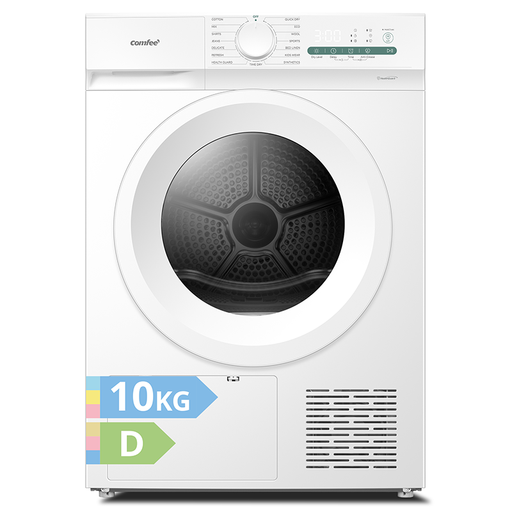 Image unavailable
Compare its stated 10 kg capacity with the loads you usually dry. The product information gives it a D energy rating; check the dimensions, programme durations and how condensate is managed in your installation.
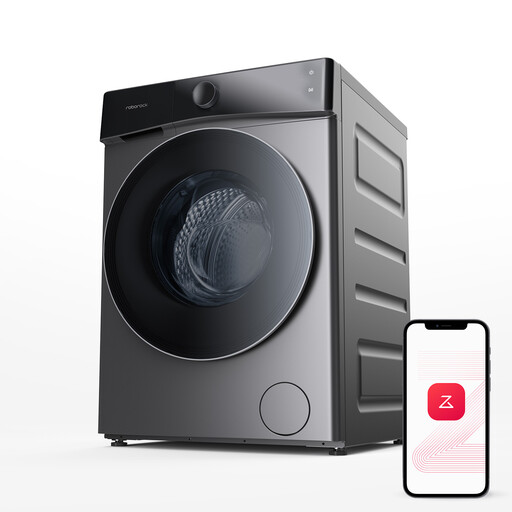 Image unavailable
This model combines washing and drying in one appliance: the load for a full cycle must stay within its stated 6 kg drying capacity, compared with 10 kg for washing. Check its dimensions and the water and electricity use, as well as the duration of the wash-and-dry cycle.
 Image unavailable
This separate tumble dryer has a stated 8 kg capacity and doesn’t need an external vent. Its product information gives it a D energy rating; check its energy use, eco programme duration, dimensions and how condensate is managed.
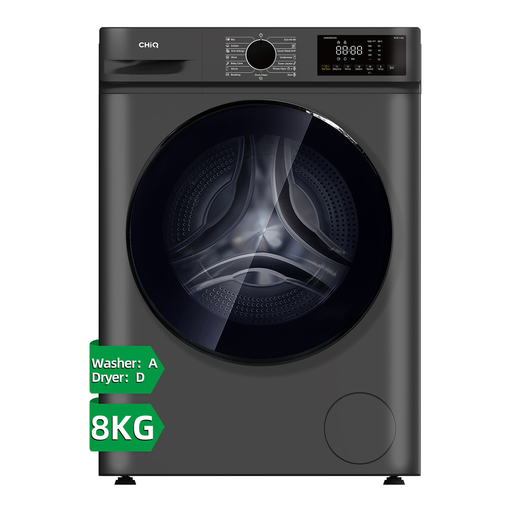 Image unavailable
If you’re using one appliance for both jobs, plan loads of no more than the stated 5 kg drying capacity, compared with 8 kg for washing. The width details in the product information don’t match, so confirm the dimensions before deciding where to put it. Also check the water and electricity use and the duration of the full cycle.
No, it doesn’t need a duct to expel air outside. Like other condenser tumble dryers, it collects condensed water in a tank or can drain it away through a water outlet, depending on the model and its installation.
Yes, as long as the wash load doesn’t exceed the stated drying capacity. UFC-Que Choisir points out that this capacity is usually lower than the washing capacity: on an appliance rated 8/5 kg, the load for drying must not exceed 5 kg.
Some models do. UFC-Que Choisir reports that most models in its test protocol use water during drying, so compare the wash-and-dry cycle figures for each appliance, not just those for washing.
First, check the exact status of the appliance and whether it can be installed in your home. According to the European Commission, only heat pump tumble dryers have been eligible to be placed on the EU market as new appliances since 1 July 2025; an advert for a different technology may be for a used appliance or older stock, for example.
For a separate tumble dryer, compare capacity, energy use, eco programme duration, noise and dimensions with your needs and the space available. For a washer-dryer, also check the drying capacity and the water and electricity use and duration of the full cycle, separately from the figures for washing alone.