
Livraison le jour même ou le lendemain

Qualité garantie

Débloquez vos offres de bienvenue: Livraison GRATUITE | Jusqu'à -80 % | 30 jours d'essai gratuits à JoyPlus
Téléchargez l'application
Replacing traditional white rice with a healthier alternative tailored to your wellness, weight loss, or athletic performance goals can quickly become overwhelming. Between konjac rice, black rice, hulled buckwheat, and other available options, it's easy to feel lost. This guide is here to provide some clarity. As a product expert at Joybuy, my role is to guide you with clear, practical advice. The goal: to help you choose the healthy rice alternative that truly meets your needs, without the unnecessary marketing jargon.
Let's break down the different options, their nutritional benefits, and their culinary uses, so you can make the right choice for your next meal.
Before we get to our top picks, here are a few key criteria to find the rice alternative that's right for you.
It all comes down to your objective.
Each healthy rice alternative has a unique culinary character.
A quick look at the label is always insightful. Compare the calories, carbohydrates, fibre, and protein per 100g of the product. A low-calorie rice like konjac will be very different from brown or black rice, which are richer in nutrients but also higher in calories. Your choice will depend on the balance you're seeking between satiety, energy intake, and micronutrients.
We have selected three products that stand out for their quality, versatility, and nutritional benefits.
Key Features
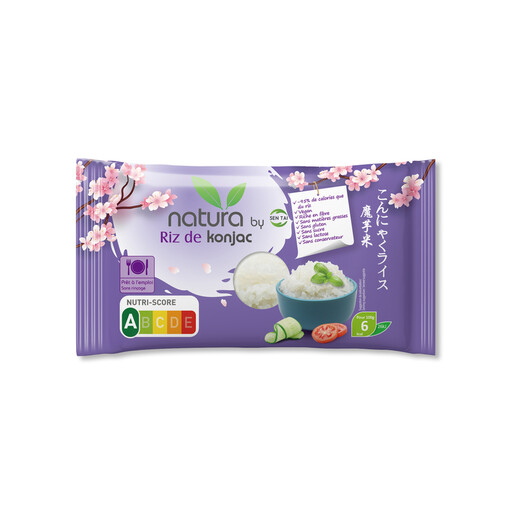
Natura Konjac Rice stands out with its exceptional nutritional profile: just 6 kcal per 100g! Made from konjac flour, it is virtually free of carbohydrates, sugar, and fat. Its neutral taste allows it to be incorporated into a multitude of recipes, from Asian dishes to poke bowls, perfectly soaking up the flavours of sauces and seasonings.
Benefits
Who is it for? Ideal for those on a weight-loss or ketogenic diet, and for anyone looking to drastically reduce their calorie and carbohydrate intake without sacrificing volume on their plate.
Key Features
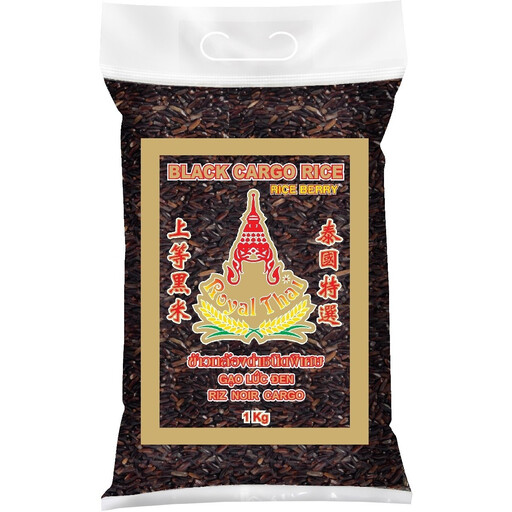
This Rice Berry variety of black cargo rice is a whole grain that has retained its bran, where all the nutrients are stored. Its deep purple colour indicates its richness in antioxidants, similar to those found in blueberries or blackberries. High in fibre (4g per 100g) and protein (8g per 100g), it provides a good feeling of fullness and adds a unique nutty flavour that elevates any dish.
Benefits
Who is it for? Perfect for health-conscious food lovers seeking a nutritious and flavourful alternative to white rice. It will satisfy athletes, vegetarians, and anyone looking to enrich their meals with nutrients and taste.
Key Features
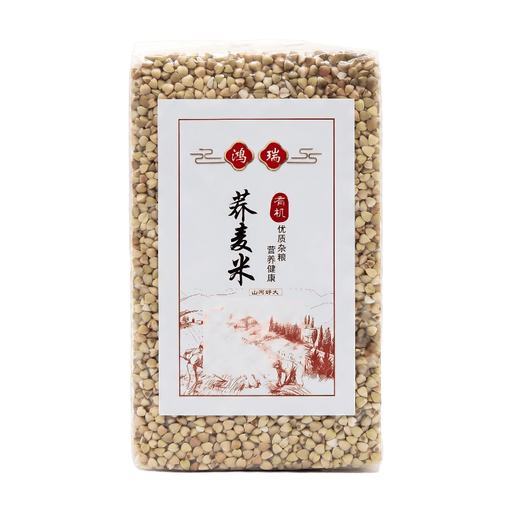
Often nicknamed "black wheat," buckwheat is not actually a cereal. It's a plant from the rhubarb family, making it an excellent gluten-free option. Hong Rui hulled buckwheat is a remarkable source of complete plant-based protein (containing all essential amino acids) and fibre. Highly versatile, it can be cooked like rice, added to salads or soups, and even prepared as a porridge.
Benefits
Who is it for? A prime choice for those with gluten intolerance, vegetarians and vegans seeking complete proteins, and for adventurous home cooks eager to explore a healthy, rustic alternative to rice.
Our selection is an excellent starting point, but the world of healthy alternatives is much broader. To discover other varieties of brown rice, lentils, quinoa, or other legumes to add variety to your meals, feel free to browse our full department.
Discover Our Full Range of Rice, Pasta & Legumes
1. What is the lowest-calorie rice?Konjac rice is, by far, the lowest-calorie option. With only 6 to 10 kcal per 100g, it consists mainly of water and glucomannan fibre. It's the perfect ally for strict low-calorie diets.
2. Is black rice really healthier than white rice? From a nutritional standpoint, the answer is yes. Black rice is a whole grain that retains its outer layer (the bran), which is rich in fibre, protein, vitamins, and minerals. In contrast, white rice is a refined grain from which this layer has been removed, causing it to lose a large portion of its nutrients. Black rice also contains anthocyanins (powerful antioxidants) that are absent in white rice. In general, standard brown rice is also a much more interesting alternative than white rice.
3. Can you cook hulled buckwheat exactly like rice? Absolutely. Hulled buckwheat is a wonderful substitute for rice in many recipes. Its cooking method is similar (use 1 part buckwheat to 1.5-2 parts water). It can be served as a side dish, used as a base for a pilaf, or added cold to salads. Its taste, which is more distinctive than rice, will bring a delicious, rustic nutty touch to your dishes.