
Livraison le jour même ou le lendemain

Qualité garantie

Débloquez vos offres de bienvenue: Livraison GRATUITE | Jusqu'à -80 % | 30 jours d'essai gratuits à JoyPlus
Téléchargez l'application
With supermarket aisles more crowded than ever, choosing a packet of pasta can be a genuine challenge. Between marketing promises and complex labels, it's sometimes difficult to distinguish the options that combine great taste with real nutritional benefits. As discerning consumers, we look for quality products at a fair price, without sacrificing flavour.
This guide aims to provide you with clear, practical guidelines to help you select healthy pasta that fits your lifestyle and expectations, based on objective criteria.
Navigating the world of alternative pastas requires a keen eye. Here is some advice for making an informed choice, in line with European and French regulations.
Simplicity is often a sign of quality. A short, understandable ingredient list is an excellent starting point. For wholewheat pasta, check that "whole wheat semolina" or "whole wheat flour" appears first on the list. This ensures the entire grain has been used, thus retaining the nutrient-rich bran and germ. For gluten-free options, the composition may include corn, rice, buckwheat, quinoa, or legume flours.
The nutritional facts panel is your best ally. Pay close attention to the fibre content. High-fibre pasta (generally above 6?g per 100?g) helps you feel fuller for longer and supports healthy digestion. The amount of protein is also an interesting indicator, especially for athletes or those looking to increase their intake.
Your dietary needs will guide your choice. If you follow a gluten-free diet, alternatives made from rice pasta, corn, or legumes are for you. If your goal is simply to enrich your diet, traditional wholewheat pasta is an excellent option. These different varieties offer a range of flavours and textures that allow you to add variety to your meals.
As a Joybuy Product Recommendation Officer, my role is to sift through market information to bring you products that stand out for their ingredients and relevance. Here is a selection of options that meet different needs.
Why we recommend it
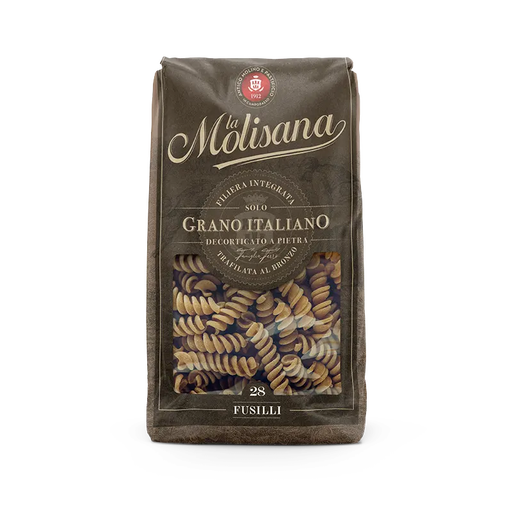
These fusilli are an excellent entry point into the world of wholewheat pasta. La Molisana is a brand renowned for its craftsmanship. Bronze-die extrusion, a traditional method, gives the pasta a rough surface that holds sauce beautifully. This is a product that makes no compromises on texture and mouthfeel.
Benefits
Who is this product for??
Ideal for families and anyone looking to incorporate more fibre into their diet without drastically changing their habits. It pairs perfectly with vegetable-based sauces, pesto, or a simple tomato sauce.
Why we recommend it
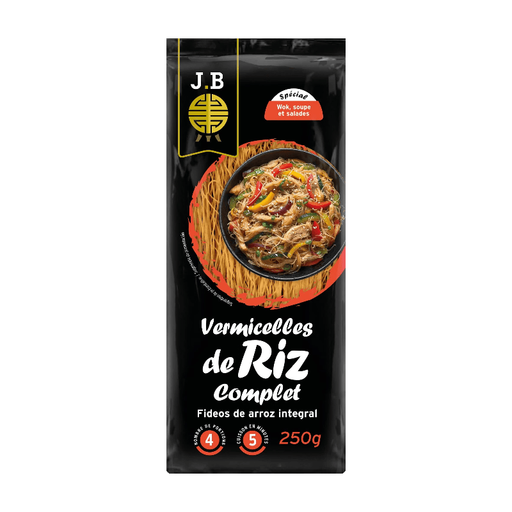
These healthy noodles are a versatile and quick-to-prepare pasta alternative. Made from 100% whole grain rice, they are naturally gluten-free and retain the nutrients of the whole grain. Their fine texture makes them perfect for Asian-inspired dishes.
Benefits
Who is this product for??
Perfect for fans of Asian cuisine (stir-fries, soups, salads), people on a gluten-free diet, or anyone looking for a quick, light, and nutritious meal option.
Why we recommend it
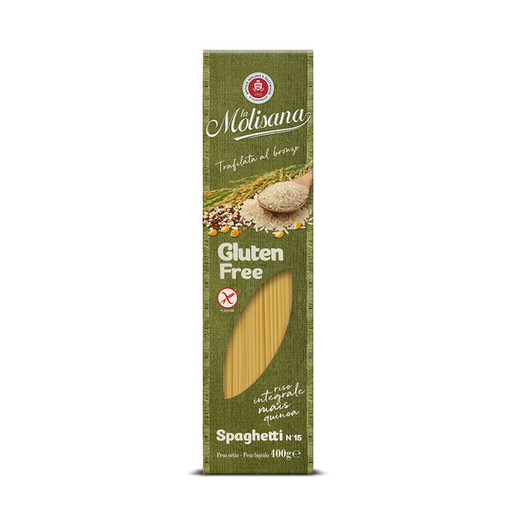
Finding gluten-free pasta that doesn't fall apart during cooking is a challenge. La Molisana rises to it with these spaghetti. The combination of brown rice, corn, and quinoa offers an interesting nutritional balance and, most importantly, a texture that rivals traditional wheat pasta, thanks in part to the bronze-die extrusion.
Benefits
Who is this product for??
Mainly intended for people with gluten intolerance who don't want to give up the pleasure of a good spaghetti dish. It's a prime choice for recapturing a classic culinary experience.
The world of healthy pasta doesn't end here. Many other alternatives exist, particularly those made from legumes like red lentils or chickpeas, which offer an even higher protein content. These options allow for greater variety in flavours and nutritional intake on a daily basis.
For those who wish to expand their culinary horizons, feel free to browse our Whole Grain category to discover a wider selection of products.
1. Does wholewheat pasta make you lose weight??
No single food can make you lose weight on its own. However, wholewheat pasta, thanks to its high fibre content, increases the feeling of fullness. This can help you better control portion sizes and reduce overall calorie intake as part of a balanced diet and active lifestyle.
2. What's the difference between gluten-free and classic pasta??
The fundamental difference lies in the core ingredient. Classic pasta is made from wheat semolina, which contains gluten. Gluten-free pasta is made from other sources like rice, corn, buckwheat, or legumes. It is designed for people with coeliac disease or gluten sensitivity. The taste and texture can vary compared to traditional pasta.
3. How should you cook healthy pasta to preserve its benefits??
To get the most out of your healthy pasta, cook it al dente by following the package directions. Overcooking can increase its glycaemic index. Pair it with vegetable-rich sauces, lean proteins (chicken, fish, legumes), and healthy fats (extra virgin olive oil). Moderation with rich, creamy, or cheesy sauces is also recommended.