
Livraison le jour même ou le lendemain

Qualité garantie

Débloquez vos offres de bienvenue: Livraison GRATUITE | Jusqu'à -80 % | 30 jours d'essai gratuits à JoyPlus
Téléchargez l'application
Every owner wants to give their four-legged friend the very best. Yet, the pet food aisle can be overwhelming?: promising packaging, complex claims, and technical jargon make the decision daunting. A healthy diet for your dog is the key to its vitality, but how do you navigate this jungle??
Navigating blindly through the options often leads to purchases you'll regret. Here are the two most common pitfalls to avoid?:
To make an informed choice, forget the marketing slogans and focus on tangible factors. Here are three things to check on the label to judge a food's quality.
The law is clear?: ingredients must be listed in descending order by weight. Therefore, the first 3 to 5 ingredients make up the bulk of the recipe.
The choice between dog kibble and dog p?té (wet food) depends on your pet's preferences, health status, and your own lifestyle.
A dog's nutritional needs change throughout its life. A puppy, an active adult, a neutered dog, or a senior obviously don't have the same requirements.
To help you see how these criteria apply in practice, here are a few options suited to different types of dogs and owners.
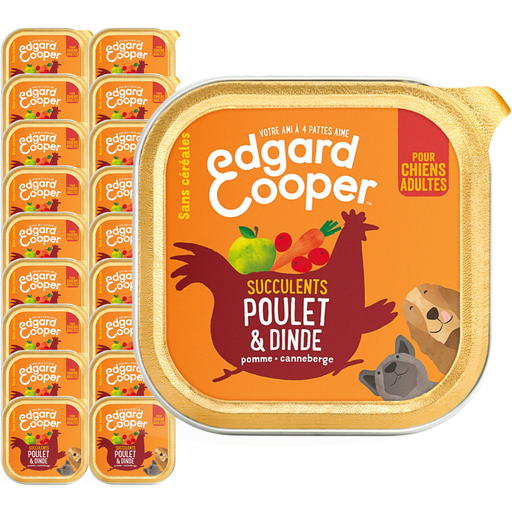
Why we chose it : Perfect for owners who want a simple, transparent ingredient list. This Edgard & Cooper p?té focuses on fresh meat and ingredients anyone can understand, with no artificial additives or added sugars.
The ingredient list is crystal clear : 56% fresh chicken and turkey lead the list, supplemented by vegetables and fruits. Here, the "natural" claim is well-deserved.
Its high moisture content (82%) ensures excellent hydration. The grain-free recipe is perfectly suited for sensitive dogs.
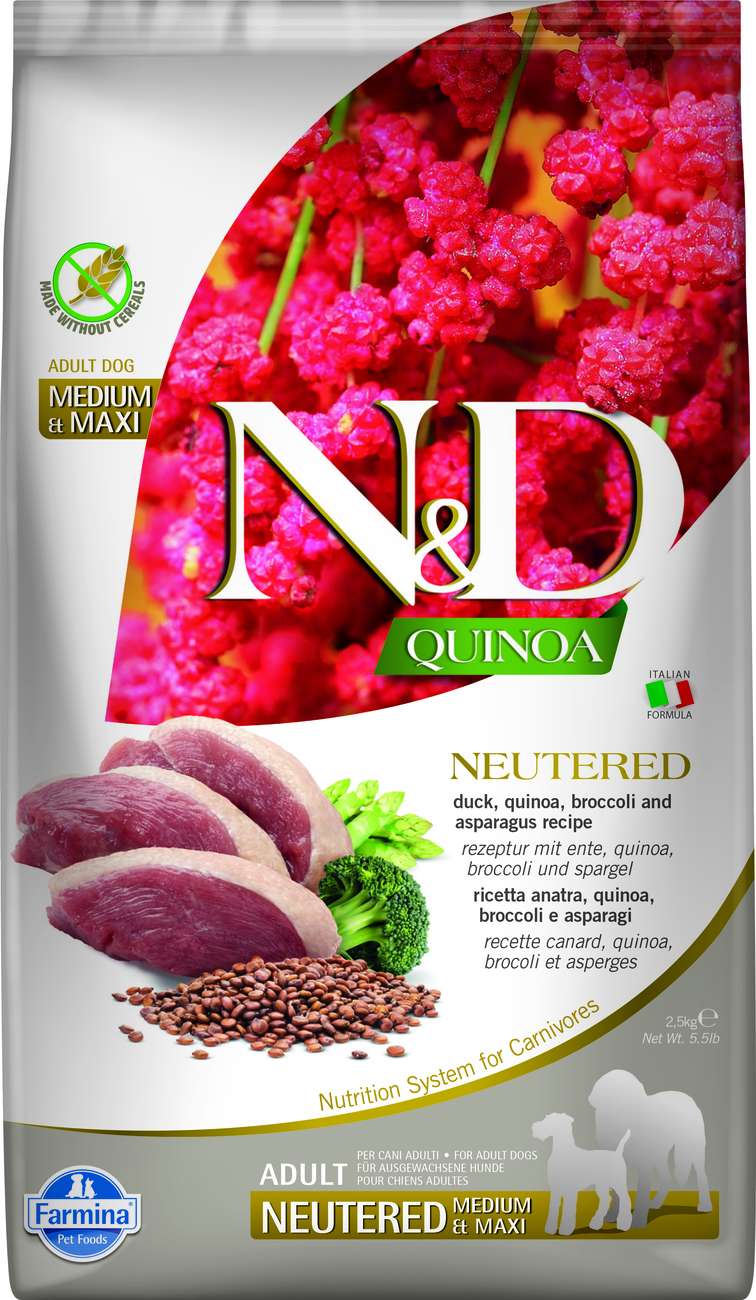
Why we chose it : This Farmina kibble is specifically formulated to meet the needs of neutered dogs. It helps maintain a healthy weight with a controlled fat content and a high protein level to preserve muscle mass.
Rather than just cutting calories, this recipe offers a complete and adapted nutritional profile : 30% protein, 11% fat, and a good fibre content (5.7%) for satiety.
The inclusion of quinoa, a pseudo-cereal with a low glycaemic index. The addition of functional ingredients like broccoli and asparagus.
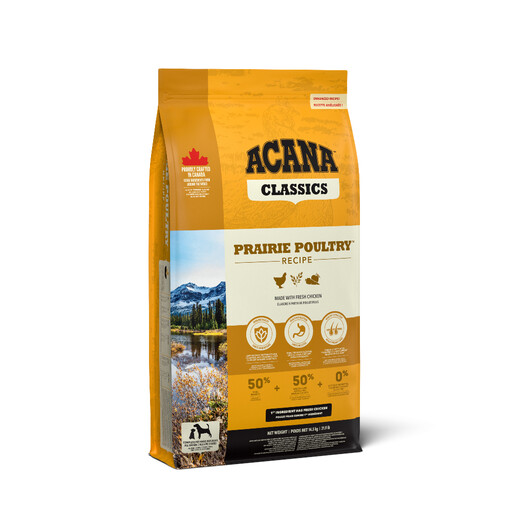
Why we chose it : Acana is a brand renowned for its "biologically appropriate" approach. This recipe is no exception, with 50% quality animal ingredients, including meat, organs, and cartilage (the famous WholePrey ratio) for a rich and complete nutritional profile. Perfect for active dogs.
The promise of quality is delivered with specific ingredients : "fresh chicken" and "fresh turkey" at the top of the list, not generic terms. The composition is detailed and transparent.
A high protein content (27%) to maintain muscle mass. The inclusion of whole oats, a low-glycaemic-index grain that provides sustained energy.
Explore our complete, up-to-date selection of products that meet our strict selection criteria and current regulations.
To avoid digestive upset, the key is a gradual transition over 7 to 10 days. The principle is simple?: start by mixing 25% of the new food with 75% of the old one. Then, increase the proportion of the new food every two or three days until you reach 100%.
Not necessarily. "Grain-free" has primarily become a powerful marketing term. True gluten intolerance is rare in dogs. What matters most is the overall digestibility and quality of the ingredients. A recipe containing high-quality ancient grains (spelt, oats) can be just as beneficial as a grain-free formula for most dogs. It all depends on your pet's individual tolerance.
Fresh meat (e.g., "fresh chicken") is raw meat that has not been processed before being added to the recipe. It is therefore high in water content. In contrast, meat meal (e.g., "chicken meal" or "dehydrated chicken protein") has been cooked, dried, and ground. It is a much more concentrated source of protein. The best recipes often combine both?: fresh meat for taste and nutrients, and meat meal to ensure a high protein level.