
Livraison le jour même ou le lendemain

Qualité garantie

Débloquez vos offres de bienvenue: Livraison GRATUITE | Jusqu'à -80 % | 30 jours d'essai gratuits à JoyPlus
Téléchargez l'application
By the Joybuy team, your product experts – Updated August 27, 2026
The cereal aisle is a jungle of colourful packaging and marketing promises. Between claims like "high in fiber" and "healthy breakfast," it's easy to end up with a product that's healthy in name only, especially when you look at the ingredients. To help you see things more clearly, we've broken down the common traps to avoid and the criteria that truly matter.
The selection of cereals, mueslis, and bars is vast, and deceptive options are everywhere. Here are three classic traps to help you avoid being fooled.
You don't need a degree in nutrition to make the right choice. Just focus on these key points to assess the quality of a box of cereal, a cereal bar, or a bag of muesli at a glance.
The golden rule: ingredients are listed in order of quantity. The first one on the list is the most prominent ingredient in the product.
A good healthy breakfast or a high-fiber snack should, above all, keep you feeling full for longer.
You wouldn't choose the same thing for a relaxed breakfast at home as you would for an on-the-go snack.
Here are a few options that cater to different profiles and needs, based on the criteria we've just discussed.
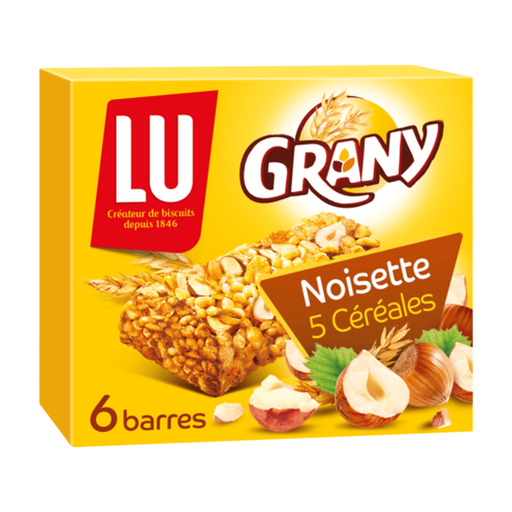
Why we recommend it: Ideal for a quick, tasty break. The individual packaging is perfect for slipping into your bag to satisfy hunger pangs at the office or on the go.
The ingredient list clearly states the proportion of cereals (39%) and hazelnuts (15%), making the recipe easy to understand.
The combination of different cereals (oat, corn, rye) and whole hazelnuts provides a satisfyingly crunchy texture and a flavour that effectively curbs small cravings.
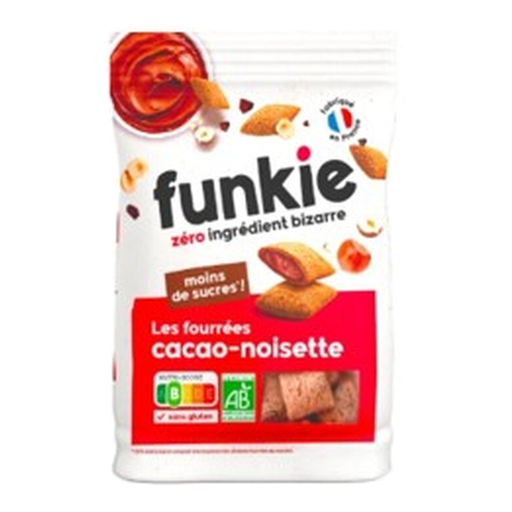
Why we recommend it: For those looking for organic ingredients and a simple recipe. An organic cereal option that is both delicious and reassuring.
The organic certification guarantees the absence of synthetic pesticides. The simple ingredient list skips complex syrups in favour of beet sugar.
Contains 56% cereals, including whole grain rice flour, and is made without palm oil—a major selling point for many consumers.
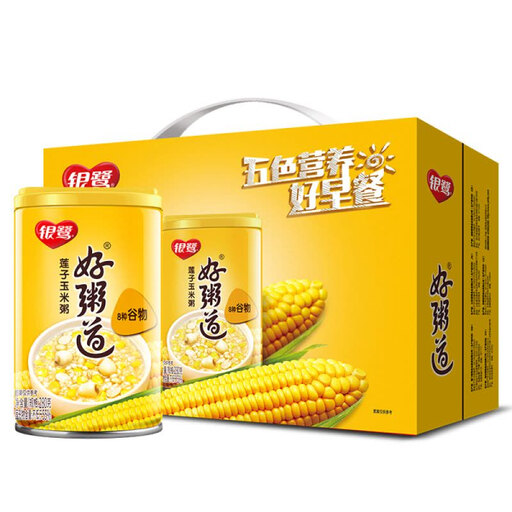
Why we recommend it: For those who want to try something new, this Cantonese-inspired porridge is an excellent introduction to the flavours of the online Asian grocery store. A mild and original alternative.
This product isn't marketed as "healthy," but as a traditional recipe. Its appeal lies in its authenticity, not in marketing slogans.
Ready to eat, it can be enjoyed hot or cold. Its creamy texture and mild flavour of corn and lotus seeds offer a truly unique experience.
Discover our full selection of products that tick all the right boxes.
To evaluate a cereal bar, keep an eye on three things: the ingredient list (whole grains and nuts should be at the top), the sugar content (aim for less than 15g per 100g for a tasty snack), and the amount of fiber (more than 5g per 100g is a good sign).
Muesli is a raw mix of cereal flakes (often oats), dried fruit, nuts, and seeds. It's most often eaten cold with milk or yogurt. Porridge, on the other hand, is made by cooking oat flakes (or other cereals) in water or milk to create a creamy consistency. It is served hot.
Yes, cereal products have a place in a balanced daily diet, as long as you choose them wisely. Opt for options based on whole grains that are low in added sugars and high in fiber. The key is to add variety: alternate between different types of cereals and pair them with fresh fruit, yogurt, or nuts for a complete meal.