
Livraison le jour même ou le lendemain

Qualité garantie

Débloquez vos offres de bienvenue: Livraison GRATUITE | Jusqu'à -80 % | 30 jours d'essai gratuits à JoyPlus
Téléchargez l'application
Thai cuisine is a subtle balance of flavours: sweet, salty, sour, and spicy. For anyone looking to recreate the authentic taste of a dish from Bangkok or their favourite local restaurant, choosing the right ingredients is essential. Among them, Healthy Boy sweet soy sauce (known in Thailand as Dek Somboon) is a true cornerstone.
Yet, once you're in the aisle of an Asian grocery store, confusion can set in. Green label, red, white... What's the difference? Which one should you choose for lacquered pork, a marinade, or a simple stir-fried rice?
This guide demystifies the specifics of each variety of Healthy Boy sweet soy sauce. The goal is to help you choose the perfect bottle for your recipes, without getting lost in obscure marketing jargon.
Before we dive into our selection, here are a few simple criteria to guide you, which apply to the Healthy Boy brand as well as other Asian sauces.
The consistency of a sweet soy sauce says a lot about its best use.
The colour, ranging from light amber to ebony black, is more than just an aesthetic choice.
Taking a look at the composition is always revealing. The type of sugar used (brown sugar, glucose syrup, refined sugar) directly influences the taste and how the sauce reacts to heat. Also, remember to check for allergens like soy and wheat. Finally, know that the Healthy Boy brand is also known by its Thai name, Dek Somboon—a mark of authenticity for connoisseurs.
Here are three essential products from the Healthy Boy range, each designed for specific culinary uses.
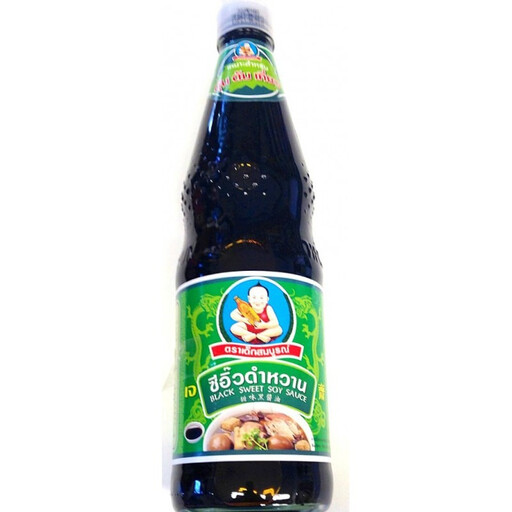
Its Profile: This is the darkest and most intense version in the range. Its flavour is complex, blending the sweetness of sugar (brown and refined) with the deep umami of soy sauce. Its moderately thick consistency is ideal for long cooking times.
Key Features:
Who is it for? For fans of slow-cooked dishes like Thai braised pork (Moo Palo) and those who want a marinade that deeply colours and flavours meat.
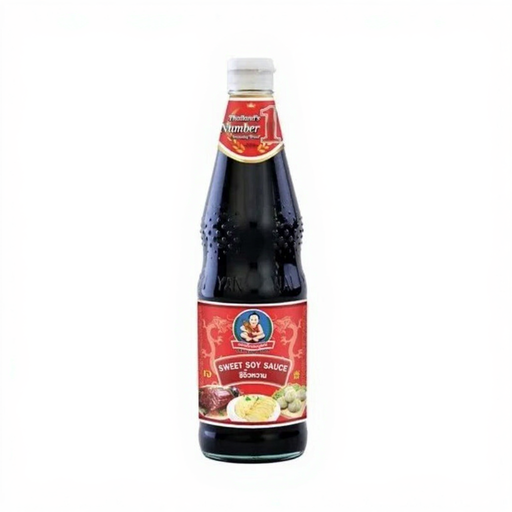
Its Profile: This is the Swiss Army knife of the range. With its syrupy texture and well-balanced caramelised flavour, it adapts to a multitude of recipes. Its colour, less intense than the green label's, makes it even more versatile.
Key Features:
Who is it for? The ideal choice for those new to Thai cooking or anyone who wants a single, all-purpose bottle. Perfect for a chicken stir-fry, a quick marinade, or as a base for a dipping sauce.
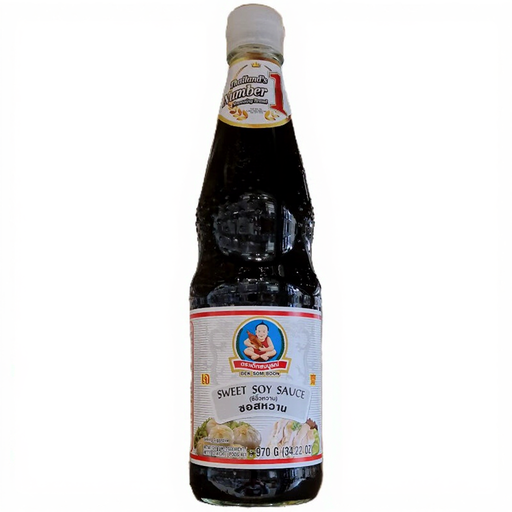
Its Profile: Here, the focus is clearly on sweetness. Often called a "dipping sauce," it has a much higher sugar content than its counterparts (nearly 88g per 100ml). Its primary purpose is to serve as a table condiment or a finishing touch for glazes.
Key Features:
Who is it for? For those looking for a finishing sauce that can add an impeccable shine and an intense sweet flavour. Perfect for glazing a roast duck, accompanying satay skewers, or for dipping spring rolls and fresh rolls.
If you can't find what you're looking for in this selection, or if your curiosity drives you to discover other brands, feel free to browse our catalogue. A wide range of condiments awaits to elevate all your Asian recipes.
️ Discover our full range of Thai sweet sauces
1. What is the difference between sweet soy sauce and regular soy sauce? Regular soy sauce is a basic condiment that adds saltiness and umami flavour. Sweet soy sauce, enriched with sugar (like molasses or palm sugar), is thicker and sweeter. It's used to add colour, caramelise, glaze, or balance the acidity and spiciness of a dish.
2. How should I store Healthy Boy sweet soy sauce after opening? Once opened, store the bottle in a cool, dry place away from direct light. To best preserve its freshness, the refrigerator is the ideal option. In any case, always refer to the storage instructions on the packaging.
3. Can sweet soy sauce be used as a standalone marinade? Absolutely. Sweet soy sauce makes an excellent marinade base on its own, as its sugar content ensures a beautiful caramelisation during cooking. For more complexity, feel free to combine it with garlic, ginger, lemongrass, or even a splash of regular soy sauce to balance the flavours. The green label is perfect for a marinade that colours the meat, while the red label is an excellent all-rounder.