
Livraison le jour même ou le lendemain

Qualité garantie

Débloquez vos offres de bienvenue: Livraison GRATUITE | Jusqu'à -80 % | 30 jours d'essai gratuits à JoyPlus
Téléchargez l'application
Standing in the cooking oil aisle can be a daunting task. With all the different names, health claims, and various uses, it's hard to know where to start. So, which oil should you choose for everyday cooking while also maintaining a healthy diet??
This guide is here to shed some light. As the Head of Product Recommendations at Joybuy, my role is to decode the labels for you. The goal is to help you make an informed decision and choose the vegetable oil that best suits your dishes and lifestyle.
Before we review our top picks, it's essential to understand the criteria that define a good oil. Here are the three key points to keep in mind.
The smoke point is the critical temperature at which an oil begins to break down and smoke. Exceeding this threshold not only alters the taste of your food but can also release compounds that are harmful to your health.
Each oil has a unique fatty acid profile (saturated, monounsaturated, polyunsaturated) and its own distinct aromatic palette. Furthermore, the vast majority of vegetable oils are naturally cholesterol-free. Your choice will therefore depend on your taste preferences and the nutritional balance you're aiming for.
The one-size-fits-all oil doesn't exist. The real answer to the question "?which oil should I choose for cooking???" lies in using a combination of oils. The best strategy is to have two or three oils in your pantry: one for high-temperature cooking, one for dressings, and a third for more specific uses like baking.
We have selected three oils with very different profiles, chosen for their quality and how well they complement each other in the kitchen.
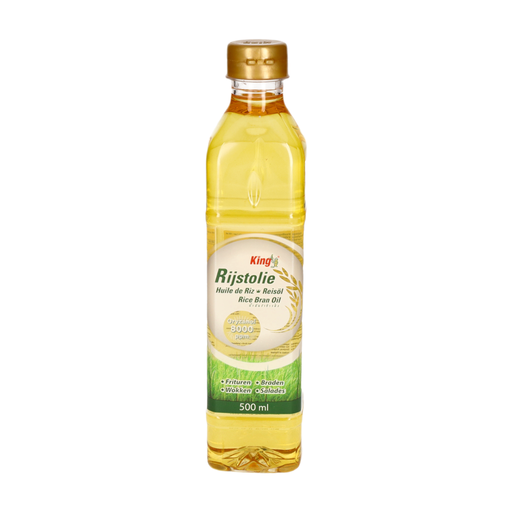
Why we chose it?: Rice bran oil is renowned for its very high smoke point (around 232?°C) and its exceptionally neutral flavour. This winning combination makes it the perfect partner for high-temperature cooking.
Key features?:
Who is it for? For anyone looking for a versatile and high-performance cooking oil, especially for Asian cuisine or for making lighter fried foods with no aftertaste.
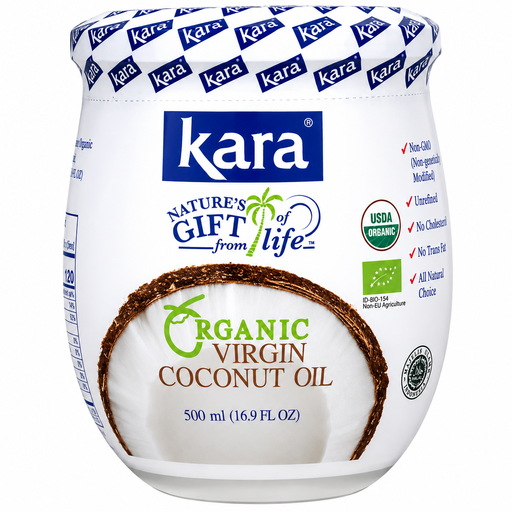
Why we chose it?: This organic coconut oil is cold-pressed, which preserves its delicate aroma and nutritional qualities. Its unique feature? It solidifies below 24?°C, making it a distinctive ingredient in both cooking and baking.
Key features?:
Who is it for? For baking enthusiasts (it's a wonderful substitute for butter), lovers of world cuisine (curries, stir-fries), and anyone who adores the unique flavour of coconut.
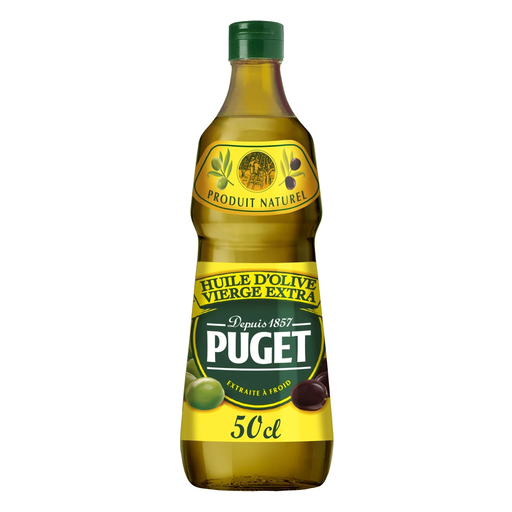
Why we chose it?: It's a timeless classic, and for good reason. PUGET extra virgin olive oil, which is cold-extracted, is the result of a balanced blend of green and black olives. Its fruity taste makes it a cornerstone of everyday cooking.
Key features?:
Who is it for? A must-have for every pantry, perfect for lovers of Mediterranean-style cuisine. Ideal for cold applications to enjoy its full aroma, or for gentle cooking.
Our selection highlights three very distinct profiles. From sunflower, rapeseed, and grapeseed to avocado oil, if you want to discover other varieties or find different sizes, feel free to browse our complete range.
Discover our range of 500ml oils
There is no single "best" oil, as it all depends on your cooking habits! That said, rapeseed (canola) oil or high-oleic sunflower oil (rich in omega-9) are excellent all-rounders, offering a neutral taste and good heat resistance. As we've seen, rice bran oil is also an ideal candidate for its versatility.
Absolutely not. A frying oil is chosen for its heat resistance and neutrality. A dressing oil (extra virgin olive, walnut, sesame, etc.) is chosen for its delicate aromas, which would be destroyed by intense heat. Worse, heating an unsuitable oil will alter its taste and can produce harmful compounds.
To preserve their quality, oils have three enemies: light, heat, and air. The best way to store them is in a closed cupboard, away from your hob. Be sure to seal the bottle tightly after each use to prevent oxidation, which causes the oil to go rancid. Unless stated otherwise, there's no need to store it in the refrigerator.