
Livraison le jour même ou le lendemain

Qualité garantie

Débloquez vos offres de bienvenue: Livraison GRATUITE | Jusqu'à -80 % | 30 jours d'essai gratuits à JoyPlus
Téléchargez l'application
Between training powders, weight-management capsules and keto-friendly foods, the range of health and sports supplements can quickly become overwhelming. A colourful package, a dosage listed in milligrams or the word "natural" are not enough on their own to judge a product's suitability.
Here are the key criteria to check before you order, along with a selection of products suited to different needs.
A 1 kg tub doesn't necessarily contain 1 kg of amino acids. With BCAA powder, look at the amount actually provided per serving, the formula details and the number of servings available.
The same caution applies to a claim like forskoline 1000 mg: it may refer to the total weight of a concentrated extract, not 1,000 mg of pure forskoline. The concentration level and precise composition must be clearly stated on the label.
A sugar-free biscuit can still contain fats, flour or sweeteners. The nutritional table is therefore essential. Panpan biscuits, for example, contain 470 kcal per 100 g, despite the absence of added sucrose highlighted in their presentation.
Konjac shirataki noodles can have a place in a low-calorie diet, but they don't replace a source of protein, vitamins and minerals on their own.
A supplement is not a substitute for a balanced diet or a suitable programme. Claims like "weight loss", "post-workout recovery" or "joint support" should be taken with a pinch of salt. The effects you feel also depend on your diet, sleep, physical activity and consistency.
Always compare:
For amino acids aimed at athletes, BSN Amino X states 10 g of amino acids per 14.5 g serving, including L-leucine, L-isoleucine and L-valine. Some references also contain soya, an allergen to check before purchase.
A vegan cannot rely solely on the word "natural". You need to check the origin of the ingredients, as well as the capsule shell. Marine collagen, for example, comes from fish and is not suitable for vegetarians or vegans.
On a keto or low carb diet, carefully examine the carbohydrate, sugar and excipient content. Konjac noodles are typically used as a low-carb accompaniment. A biscuit containing maltitol should be consumed taking into account the total carbohydrate content and the potentially laxative effect of polyols.
In France and the European Union, the label must allow you to identify the serving size, ingredients, allergens, net quantity, storage conditions and usage precautions. Where information is provided, also check that a responsible party established in the European Union is clearly identified.
Never exceed the recommended dose. If you are on medication, pregnant or breastfeeding, have a chronic illness or need to follow a specific dietary restriction, seek advice from a healthcare professional before taking anything. Post-workout recovery is primarily based on good hydration, adequate nutrition, rest and a suitable training progression.
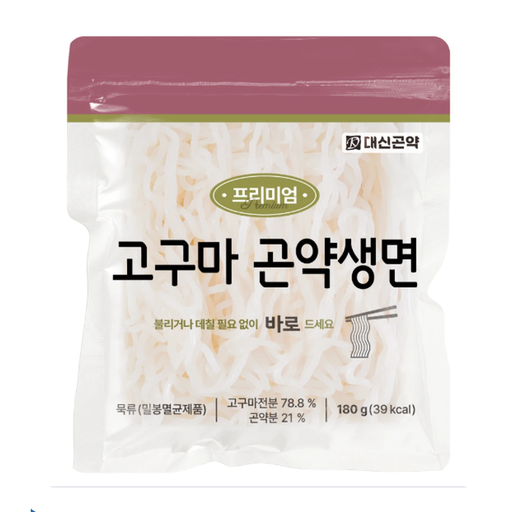
Why this choice suits this profile: This 180 g portion is quick to prepare and easily fits into everyday meals, whether in a soup, stir-fry or salad.
The listing shows the net weight, main ingredients and a preparation time of around two minutes, rather than relying solely on the promise of a light meal.
A preparation made from konjac, sweet potato and dietary fibre; the product is presented as gluten-free and suitable for low-carb meals.
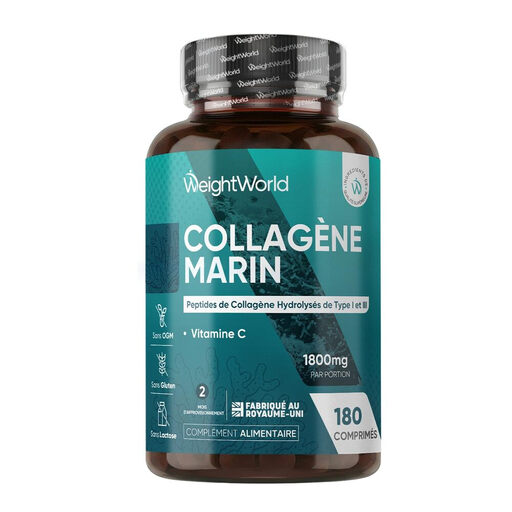
Why this choice suits this profile: The tablet format suits those who prefer to avoid mixing a powder and want a clearly stated dosage.
The listing specifies the marine origin, the presence of fish and the amount per serving. This helps avoid mistaking it for a vegan supplement.
1,800 mg of hydrolysed marine collagen peptides and 90 mg of vitamin C per three tablets, with 180 tablets per pot.
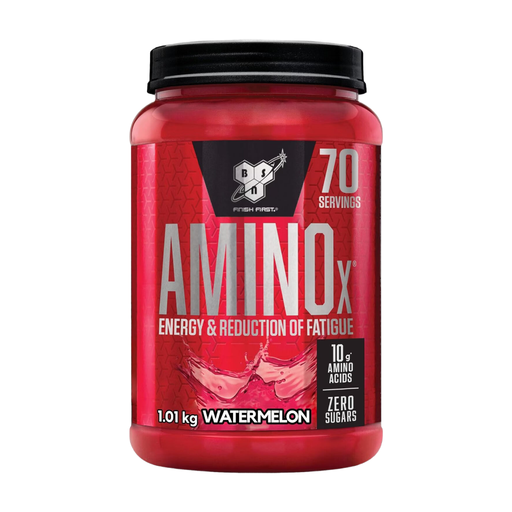
Why this choice suits this profile: Its large format and preparation in 225 ml of water are aimed at people who train regularly and want simple use around their workout.
The serving size is clearly set at 14.5 g and the formula is stated to be free from sugar and caffeine. However, the presence of soya should still be checked depending on your situation.
10 g of amino acids per serving, added vitamins B6 and D, soluble powder and no caffeine.
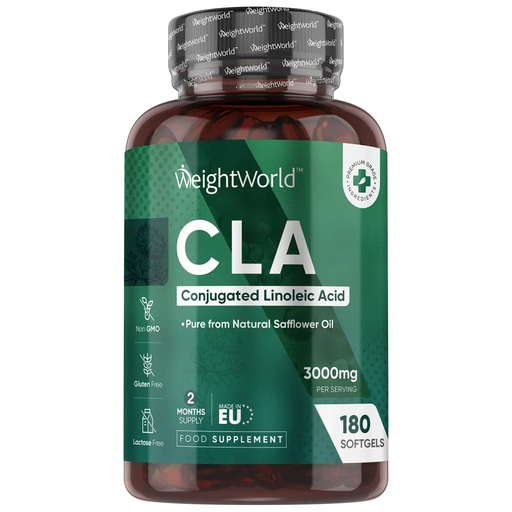
Why this choice suits this profile: The vegetable capsules and absence of declared major allergens may suit certain dietary habits, including keto or plant-based diets.
The listing distinguishes the total amount of 3,000 mg from the stated 80% CLA concentration, rather than highlighting a single figure.
180 vegetable capsules based on safflower oil, gluten-free and lactose-free according to the product listing. The recommended dose is three capsules per day.
We have selected a comprehensive and regularly updated list of products that meet these selection criteria and European safety requirements.
Start by assessing your protein intake, hydration and sleep quality. A BCAA powder can provide amino acids, but it doesn't replace a complete meal. The composition, serving sizes and allergens should carry more weight in your decision than the flavour or the shape of the tub.
They are often used as a substitute for pasta as part of a low-carb diet. However, be sure to pair them with a source of protein, vegetables and a sauce whose composition you know. Remember to rinse and prepare them according to the instructions on the packaging.
Divide the price by the number of servings that actually correspond to the recommended dose. For tablets and capsules, calculate the cost per day. For a powder, check the weight of one dose and the number of servings possible. This way, you can compare a pot of 60 capsules, a 1 kg bag or a bottle of 180 tablets on the same basis.