
Livraison le jour même ou le lendemain

Qualité garantie

Débloquez vos offres de bienvenue: Livraison GRATUITE | Jusqu'à -80 % | 30 jours d'essai gratuits à JoyPlus
Téléchargez l'application
With the overwhelming number of smartwatches on the market, it's often difficult to distinguish genuine health companions from mere gadgets. As a product expert at Joybuy, my mission is to cut through the noise for you. This guide is designed to give you clear insights and concrete selection criteria, free of marketing jargon, to help you find the health smartwatch that's truly right for you.
Together, we'll explore the key features to consider and present a selection of models that truly shine in 2026.
Before settling on a specific model, it's essential to define your priorities. Here are three fundamental criteria to guide you.
Today, simple step counting is a thing of the past. Advanced health features have become a major selection criterion.
Battery life is a critical factor. A watch that needs to be charged every day can quickly become a hassle. Evaluate your habits: an athlete who uses GPS daily will have different needs than a user who wants passive health monitoring. Also, consider screen readability in direct sunlight and the smoothness of the interface.
If you engage in outdoor activities like running, trail running, or cycling, a GPS sports smartwatch with a precise chip (or even dual-frequency) makes all the difference. It ensures reliable tracking of your distance and pace. The durability of the materials (titanium, sapphire glass) and water resistance (IP or ATM certification) are also guarantees of longevity to accompany you on all your adventures.
Here are a few models available on Joybuy.fr that cater to different needs and user profiles.
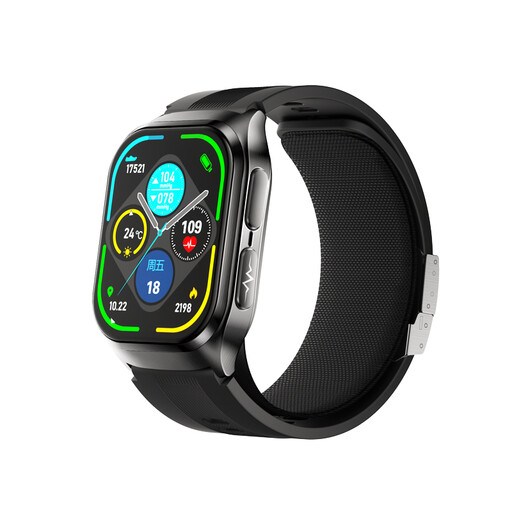
Why it stands out: The sanag G80S is notable for its exceptionally advanced health tracking. It integrates sensors that provide estimates for advanced metrics like blood glucose, uric acid, and lipids, in addition to the classic ECG and blood pressure. Its "pump-based" measurement technology is one-of-a-kind.
Key features:
Who is it for? For those who want a very comprehensive overview of their well-being and wish to track trends across a wide range of data, while keeping in mind that this information does not replace medical advice.
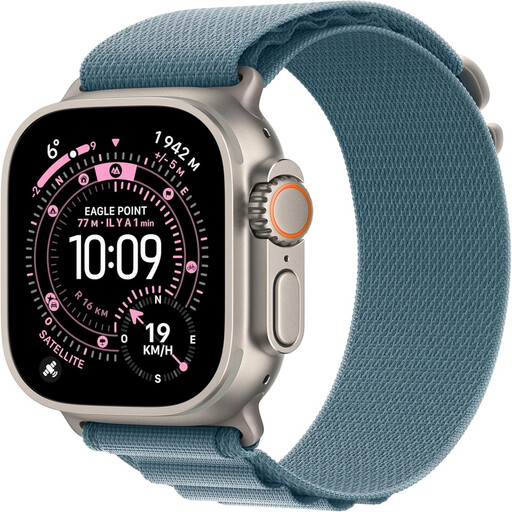
Why it stands out: Designed for adventure and extreme performance, the Apple Watch Ultra 3 combines heavy-duty durability with Apple's advanced health ecosystem. Its titanium case, high-precision dual-frequency GPS, and extended battery life make it the go-to choice for demanding athletes.
Key features:
Who is it for? Athletes, adventurers, and extreme sports fans who demand a reliable, robust tool equipped with the best GPS tracking and safety technologies, all with the seamless integration of the Apple ecosystem.
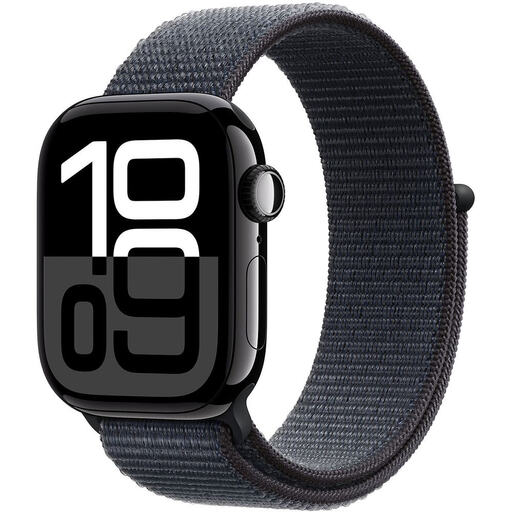
Why it stands out: The Apple Watch S10 embodies the perfect balance between an elegant everyday design and cutting-edge health features. With a reportedly slimmer design and a larger screen, it is designed for optimal comfort while integrating powerful sensors.
Key features:
Who is it for? The iPhone user looking for a versatile smartwatch that is equally at home for daily health monitoring as it is for workouts, without ever sacrificing style and comfort.
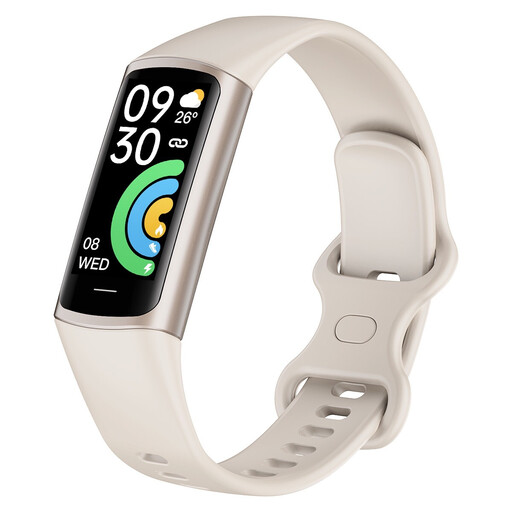
Why it stands out: The VoxorAI C68 establishes itself as an accessible and remarkably effective health-focused fitness band. It focuses on the essentials (heart rate, sleep, SpO2, temperature) and shines with its record-breaking standby battery life.
Key features:
Who is it for? Those new to connected devices or who want simple, discreet health tracking without the complexity (or the price) of high-end watches. Its extra-long battery life is its main asset.
Our selection covers a variety of profiles, but the market is filled with other gems. If you're looking for a different design, more specific features, or other brands, we invite you to explore our full category.
Discover More Speciality Watches
Most watches offering this feature use optical sensors (PPG) to provide an estimation of blood pressure, not a medical-grade measurement. This technology differs from that of a cuff-based blood pressure monitor. The results should therefore be viewed as trend indicators. They should under no circumstances be used for self-diagnosis or to alter a medical treatment.
A fitness band is generally slimmer, more discreet, and focused on activity tracking (steps, sleep, heart rate), with better battery life. A smartwatch offers a larger screen, a multitude of functions (notifications, apps, GPS, payments), and richer interactions, which often comes at the expense of battery life.