
Livraison le jour même ou le lendemain

Qualité garantie

Débloquez vos offres de bienvenue: Livraison GRATUITE | Jusqu'à -80 % | 30 jours d'essai gratuits à JoyPlus
Téléchargez l'application
Diving into the world of headsets and microphones can be overwhelming. Between the technical jargon and the marketing hype, it's easy to make the wrong choice. My role, as Head of Product Recommendations at Joybuy, is to help you cut through the noise and make a choice that truly fits your needs, not just the advertising slogans.
But before we get to our top picks, let's review the common pitfalls that can cost you dearly... and leave you with unsuitable gear.
To avoid these pitfalls, it's best to focus on a few technical criteria that truly make a difference.
The connection type is the first choice you need to make, as it dictates everything else.
To make sure you're heard, the microphone's quality is just as crucial as the headphones'.
Let's get to the specifics with a few products that caught our eye, each meeting a specific need while adhering to our performance and reliability standards.
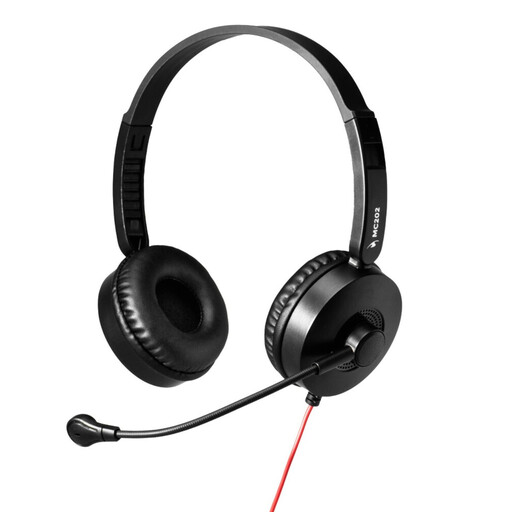
Why we chose it: For back-to-back online meetings, reliability is key. This wired headset gets straight to the point: a stable connection, clear voice quality, and enough comfort for extended wear.
It skips the gimmicks and battery life promises by focusing entirely on a wired USB-A connection. There's no battery to charge and no fussy Bluetooth pairing. It's a plug-and-play solution that just works, every time.
The noise-cancelling boom microphone ensures your voice is captured clearly, even in a noisy home office. The integrated USB sound card provides stable and predictable digital audio quality.
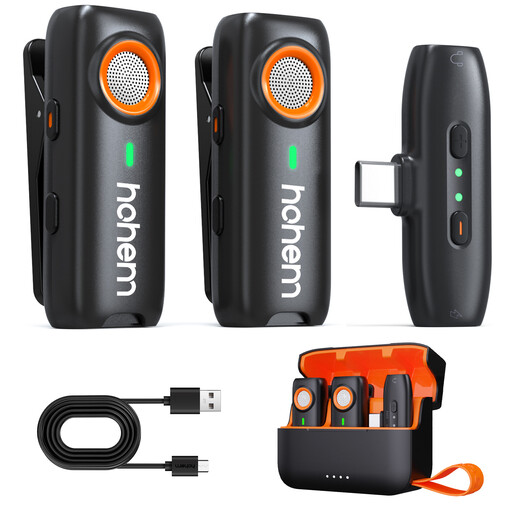
Why we chose it: For vloggers, interviewers, or trainers, freedom of movement and voice clarity are non-negotiable. This kit offers a compact and versatile solution for recording high-quality sound anywhere.
It bypasses the real-world battery life trap with its charging case, which extends its endurance up to 20 hours. Better yet, the backup recording function to a TF card (not included) acts as a safety net against signal dropouts.
The 3-level DSP noise cancellation lets you adapt the audio capture to your environment (indoors, outdoors, windy) for a consistently clear voice. Its wide compatibility with smartphones and cameras makes it a true Swiss Army knife.

Why we chose it: For competitive gaming, sound quality, low latency, and comfort are paramount. This headset is built for long sessions, delivering precise audio immersion and crystal-clear team communication.
It tackles the compatibility and latency headache by offering dual wireless connectivity: 2.4 GHz for low-latency gaming on PC/consoles, and Bluetooth for mobile use. The advertised 50-hour battery life is realistic for intensive gaming.
Its open-back acoustic design creates a wider, more natural soundstage, which is a major asset for immersion and pinpointing enemies in-game. The detachable microphone is a real bonus for versatility.
Explore our full selection of products, all approved according to our selection criteria and current safety standards.
The fundamental difference lies in latency: the infamous delay between the on-screen action and the sound you hear. Bluetooth, while very convenient for everyday use, suffers from a latency that can be distracting in games. In contrast, 2.4 GHz technology, via its USB adapter (dongle), ensures a very low-latency, near-instantaneous connection. This is a must-have for competitive games where every millisecond counts.
Absolutely. A good USB microphone is an excellent starting point for streaming or podcasting. It's simple to set up (plug-and-play), doesn't require an external audio interface (like a mixer), and can offer surprisingly impressive sound quality for voice. Models like the Elgato Wave:3 MK.2 are specifically designed for this purpose, with software features that greatly simplify audio mixing.
A few simple steps can make a big difference. For headsets, regularly clean the ear cushions with a soft, slightly damp cloth to remove sweat and oils. Avoid excessively twisting or bending the cables. For microphones, protect them from dust and moisture. Use a pop filter to shield the capsule from plosives. Finally, always store your equipment in a dry place, safe from impacts.