
Livraison le jour même ou le lendemain

Qualité garantie

Débloquez vos offres de bienvenue: Livraison GRATUITE | Jusqu'à -80 % | 30 jours d'essai gratuits à JoyPlus
Téléchargez l'application
Choosing the right headphones seems simple… until you have to compare connectivity, comfort, battery life and microphone quality. Between promises of immersive sound, noise cancellation and long-lasting batteries, some features are sometimes highlighted without clearly explaining their limitations.
To avoid disappointment, it is best to start by considering how you will actually use them: listening to music on public transport, working from home, attending online classes, making calls or using wireless headphones during long journeys.
Noise-cancelling headphones use microphones and electronic processing to reduce certain surrounding sounds. This feature can be extremely useful on a train or in an open-plan office, but it will not eliminate every noise and, of course, it does not remove the need to stay alert when you are out and about.
Also check whether there is a transparency or ambient mode. This allows you to hear announcements, follow a conversation or notice a vehicle without having to take your headphones off.
Battery life varies depending on listening volume, noise cancellation, connection type and the features enabled. The battery life quoted by the manufacturer generally corresponds to very specific test conditions. For everyday use, also look at:
Wireless headphones that can also be used in wired mode provide a useful back-up for travelling and long working days.
An over-ear model completely surrounds the ears and can prove comfortable during long listening sessions. However, you should still consider its weight and the pressure it places on your head. By contrast, on-ear headphones are often lighter, but their cushions rest directly on your ears.
The headband size, cushion material and whether the headphones can be folded often have a greater impact on everyday comfort than their appearance.
Bluetooth headphones are easy to use with smartphones, tablets and newer computers. Multipoint allows you to connect two devices at the same time, making it easy to switch from a work call to your music without pairing again.
Wired headphones do not need charging and remain simple to use with a 3.5 mm jack socket. USB models, particularly some headphones with microphones, connect directly to a computer and are generally recognised without needing a driver to be installed.
Before placing your order, check which ports are available on your devices. A phone without a headphone jack may require an adaptor, while a work computer may be better suited to a USB or USB-C connection.
For headphones designed for calls, microphone position is crucial. A flexible boom allows you to bring the microphone closer to your mouth and move it out of the way when it is not needed. However, claims about reducing background noise should be treated as features stated by the manufacturer, not as a guarantee of results in every environment.
When working from home, check compatibility with Windows, macOS and the video-conferencing apps you use. A plug-and-play USB headset can also save you from making a few fiddly adjustments.
The Bluetooth version indicates the generation of the connection, but it is not enough to predict sound quality. Also check the supported profiles, whether there is a wired input and the type of controls provided.
For headphones designed for music, the size of the drivers, closed-back or open-back design and frequency response provide some useful technical reference points. However, these details alone are not enough to determine your listening preferences. A customisable equaliser in an app can be useful if you like to adjust the bass or treble.
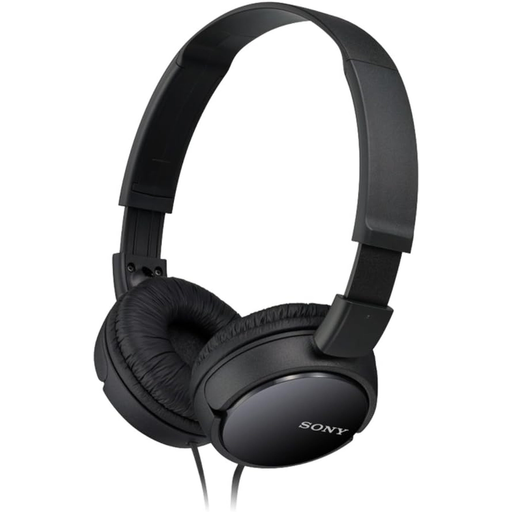
Why this choice suits this profile : These wired, foldable headphones are ideal for anyone looking for a simple way to listen to music on a device with a 3.5 mm jack socket.
They do not rely on a battery, and their foldable design makes them easy to store in a bag. However, you should be aware before buying that they do not offer noise cancellation.
30 mm drivers, 1.2 m cable, quoted weight of 120 g and foldable design.
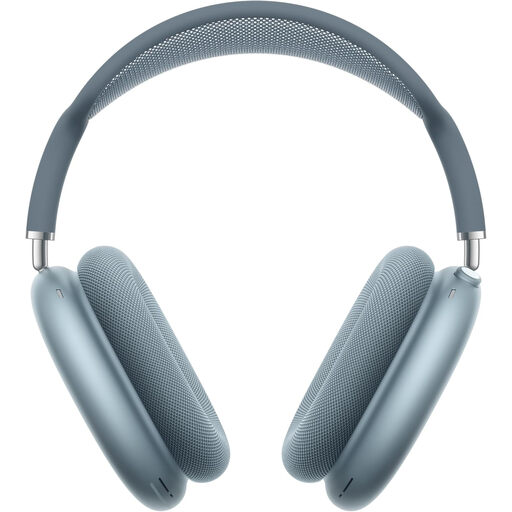
Why this choice suits this profile : They are aimed at users who already own Apple devices and are looking for wireless over-ear headphones with built-in controls and a transparency mode.
The product listing quotes up to 20 hours of battery life with noise-cancellation or transparency modes enabled : useful information for setting realistic expectations.
Over-ear design, Bluetooth connection, USB-C charging, nine quoted microphones and a weight of 384.8 g.
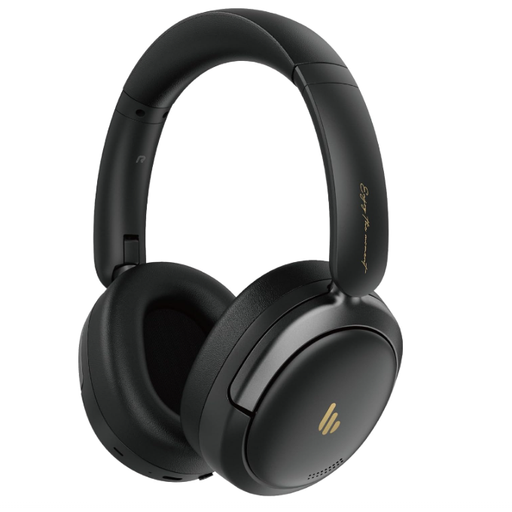
Why this choice suits this profile : The foldable design, multipoint connection and built-in microphone meet the needs of people working from home, travellers and anyone who regularly switches between a computer and a phone.
The product listing quotes hybrid noise cancellation of up to –44 dB : this remains a manufacturer’s figure and varies according to the frequencies and environment.
Bluetooth 5.4, quoted battery life of 45 hours, fast charging, connection to two devices and USB-C input for high-resolution audio.
We have put together a complete, real-time updated selection of products that meet these demanding criteria while complying with European safety regulations.
Yes, provided that the computer has Bluetooth and supports the appropriate audio profiles. For calls, check that the headphones’ microphone is selected as the audio input in the system or app settings. On a computer without Bluetooth, a USB model may be easier to use.
It all depends on the battery, hinges, cushions and how well the cable is looked after. Avoid moisture, high temperatures and repeated twisting. With wireless headphones, sensible battery use and replacing the cushions when they are worn can extend comfort, although this cannot guarantee a specific service life.
It depends on your surroundings. Noise cancellation can reduce certain continuous disturbances, but it generally uses more battery and cannot replace a quiet workspace. For calls, microphone quality and connection stability matter at least as much as reducing external noise.