What should you look for?
First, decide whether your priority is protein, simple ingredients or a snack that’s easy to take with you. Then compare labels on the same per-100 g basis, as set out in the DGCCRF’s guidance on how nutritional information should be presented.
| Criteria |
What to check |
Who is it for? |
| Protein content |
Compare protein and energy per 100 g. For a hazelnut-flavoured product, check its sources of protein too. |
After exercise, if protein is your top priority, the energy in your snack matters too; around 40% of consumers would put protein content first. |
| Simple ingredients |
Check the ingredients list, salt content and any coatings, then choose a portion size that suits your snack. |
When revising, I prefer a small portion of plain hazelnuts to a salty or coated snack; around 30% of consumers would prioritise this simple, unsalted option. |
| Format and ingredients |
Check the portion size and listed allergens. For a bar or wafer, check how much hazelnut it contains if this is shown in the recipe. |
If I need a snack to take with me for a sports activity, the format and ingredients need to suit me; around 30% of consumers would prioritise convenience and suitability. |
Hazelnut-flavoured snacks on Joybuy
These products are suited to anyone looking for a hazelnut-flavoured snack to take along while revising or to enjoy around a sports activity. To compare them with plain hazelnuts, check the ingredients and compare the protein per portion and per 100 g.
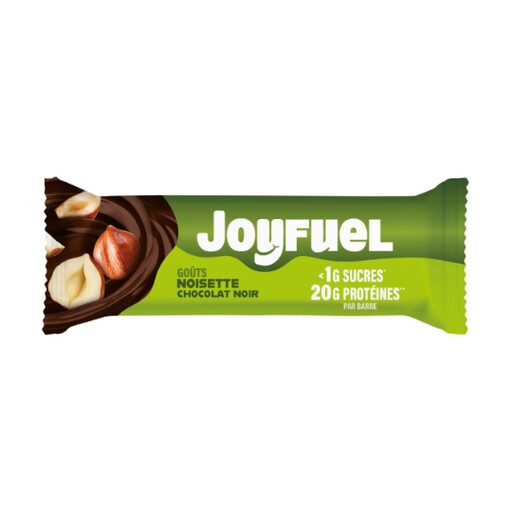 Image unavailable
Joyfuel Dark Chocolate with Hazelnut 55g
This 55 g bar could be a good choice if you’re looking for an individual hazelnut-flavoured snack rather than plain hazelnuts.
To see how it fits into your snack, compare the protein per bar and per 100 g, then check the ingredients list, polyols and allergen information on the pack.
View on Joybuy
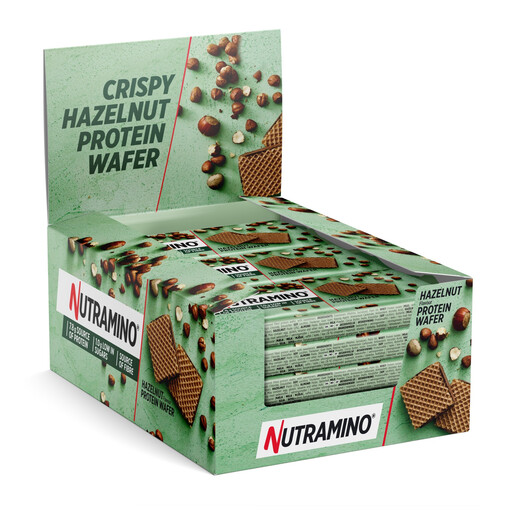 Image unavailable
Nutramino Protein Wafer Hazelnut 12 x 39 g
These hazelnut-flavoured wafers come in a 12 x 39 g pack and could suit you if you prefer a snack you can portion out while revising.
If protein is your main priority, check the amount per wafer. Also check the ingredients for this variant to see whether it contains hazelnuts and to identify its allergens.
View on Joybuy
Frequently asked questions
Are hazelnuts on their own enough if protein is my main priority?
Don’t focus on their protein content alone: the Bio Village hazelnut product information published by E.Leclerc lists 15 g of protein and 656 kcal per 100 g. Compare these figures with the other products you’re considering, then decide how hazelnuts fit into your snack.
What can I have with hazelnuts as a revision snack?
You could add them to fromage blanc and fruit, a combination suggested by Manger Bouger. If you avoid dairy, check that any other food you choose for your snack suits your diet and contains only ingredients you can eat.
Does a hazelnut-flavoured bar always contain lots of hazelnuts?
No. In the Isostar bar described in Carrefour’s product information, roasted hazelnuts make up 2.6% of the recipe, which also contains milk and soya proteins. For another bar or a wafer, check the ingredients list for the exact variant.
How should I store an opened pack of Vahiné hazelnuts?
Vahiné recommends keeping its shelled hazelnuts in a cool, dry place away from light. Reseal the pack after use and follow the storage instructions on the packaging.
Which allergens should I check before choosing a hazelnut-flavoured snack?
Check the label of the exact product. The Carrefour Bio hazelnuts listed by Carrefour may contain traces of peanuts and other nuts; the Isostar bar recipe includes milk, soya and gluten, among other ingredients. Don’t assume this information applies to another variant.


