Who are these options for?

Active people keeping an eye on their protein intake

You’d like to include hazelnuts with your drinks without confusing the presence of protein with the regulated “high in protein” claim. Anses classifies oilseeds as sources of plant-based protein. When comparing products, also check their energy content per 100 g.

Hosts who prefer a bowl of plain hazelnuts

You’re looking for an option with no added salt or sugar and no chocolate. Manger Bouger recommends choosing nuts that are unsalted, unsweetened and free from chocolate.

Anyone making a dip or topping

If you’re using hazelnuts in a recipe rather than serving them whole, ground hazelnuts are worth considering. Tablier Blanc’s ground hazelnuts listing at E.Leclerc states that they contain 17.6 g of protein per 100 g.

What should you check before buying?

First decide whether you’ll serve the hazelnuts whole, use them in a recipe or choose them for their protein content. This will determine which information on the pack matters most.

CriterionWhat to checkWho is it for?
Protein content Protein and energy per 100 g, and whether any “high in protein” claim is justified. Under European Regulation (EC) No 1924/2006, at least 20% of a product’s energy must come from protein for it to carry this claim. If you’re having drinks after exercise, you’ll want to know what the hazelnuts actually provide before relying on them for protein. Around 50% of consumers would put checking protein content at the top of their list.
Something to share Ingredients, salt and any coating, as well as whether the pack size suits the number of guests. If you’re putting a bowl on the table, you may prefer a plain option and a quantity your guests can finish. This simplicity would be the main priority for around 30% of consumers.
Format and guests Whole hazelnuts for serving as they are, or ground hazelnuts for a recipe; allergen information and a suitable format for young children. If you’re making a dip or having young children over, the product’s format matters as much as its flavour. Around 20% of consumers would prioritise this kind of suitability when choosing snacks for drinks.

What should you avoid?

  • Confusing protein content with the “high in protein” claim

    Auchan’s product listing states that shelled hazelnuts contain 19 g of protein and 653 kcal per 100 g, meaning around 11.6% of their energy comes from protein. The European threshold for the “high in protein” claim is 20%.

    Compare the protein and energy per 100 g of the product you’re thinking of buying. Don’t assume it qualifies just because it contains a certain number of grams of protein.

  • Choosing a snack for drinks without checking the ingredients

    Hazelnuts that are roasted or sold in the snacks aisle aren’t necessarily plain or unsalted.

    If that’s what you’re looking for, check the ingredients list for salt or any coating. Manger Bouger recommends nuts that are unsalted, unsweetened and free from chocolate.

  • Serving whole hazelnuts to young children

    Whole nuts pose a choking risk for young children. Some packs, including the Auchan product described here, also warn that they may contain traces of peanuts and other nuts.

    Manger Bouger advises against giving whole nuts to children under 6. If someone has an allergy, check the ingredients and allergen warnings on the pack you buy.

  • Forgetting how to store them after opening

    A large pack is only practical if you can store the leftover hazelnuts as instructed by the manufacturer.

    Auchan recommends keeping the product away from heat and moisture, and sealing the pack tightly after opening. Check the best-before date, too.

Brands to consider by format

Auchan

The 175 g pack of shelled hazelnuts is a good fit for serving straight from the pack with drinks.

  • The listing gives hazelnuts as the only ingredient and states that they contain 19 g of protein per 100 g.
  • It warns that the product may contain traces of peanuts and other nuts. Based on the values given, its protein content isn’t enough to justify a “high in protein” claim.

Carrefour Bio

Roasted organic shelled hazelnuts are available in a 90 g pack.

  • The format makes it easy to serve roasted hazelnuts without any preparation.
  • Carrefour’s listing states that they contain 695 kcal and 65 g of fat per 100 g, and warns that they may contain traces of peanuts and other nuts. Roasting and an organic label alone don’t tell you how much protein they contain.

Tablier Blanc / E.Leclerc

The 125 g pack of ground hazelnuts is for dips or toppings rather than a bowl of whole hazelnuts.

  • The E.Leclerc listing states that they contain 17.6 g of protein per 100 g.
  • It also states that they contain 671 kcal per 100 g. Based on these figures, this cooking ingredient doesn’t qualify as “high in protein”.

Monoprix

The 125 g pack of shelled hazelnuts is worth considering for a small gathering.

  • The listing gives “Hazelnut” as the ingredient and France as the country of origin for this product.
  • If protein content is a deciding factor, check the nutritional information on the pack before buying.

Aldi

Depending on the product, Aldi offers roasted hazelnuts or chopped walnuts. These are two different types of nut, not two formats of the same one.

  • Roasted hazelnuts could be a good choice if you want something ready to serve with drinks.
  • To compare the protein content of a particular pack, check its nutritional information and ingredients list.

A hazelnut option from Joybuy

This dark chocolate and hazelnut bar is designed as an individual snack. It’s a different option from a sharing bowl of plain hazelnuts for drinks.
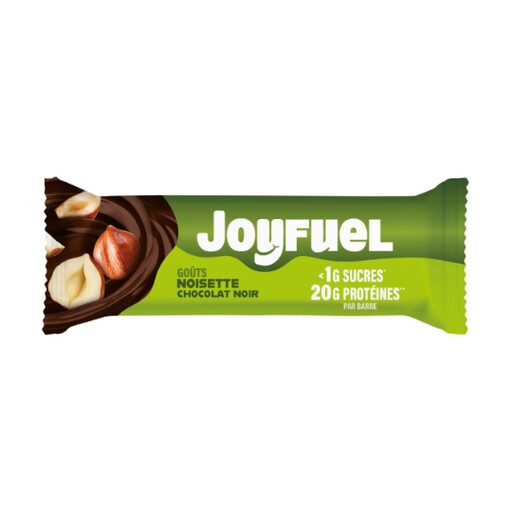
Joyfuel dark chocolate and hazelnut bar, 55 g

Joyfuel Dark Chocolate with Hazelnut, 55 g

Worth considering if you’re after an individual bar for after exercise rather than hazelnuts to serve in a bowl. This is a 55 g dark chocolate and hazelnut bar. To assess its protein content and check whether it suits you, refer to the nutritional information and ingredients for the specific product.

View on Joybuy

Frequently asked questions

Are hazelnuts automatically “high in protein”?

No. Under European Regulation (EC) No 1924/2006, the “high in protein” claim requires at least 20% of a product’s energy to come from protein. The values given by Auchan for its shelled hazelnuts—19 g of protein and 653 kcal per 100 g—work out at around 11.6%.

Can hazelnuts alone provide what you need after exercise?

The fact that a snack contains hazelnuts doesn’t, on its own, tell you whether it provides the protein you’re looking for. Anses classifies oilseeds as sources of plant-based protein. Compare the nutritional information for all the foods you choose rather than relying on the word “hazelnut”.

Which hazelnuts should you serve with drinks?

For a simple option, choose hazelnuts with no added salt or sugar and no chocolate, and serve an amount that suits your guests. Manger Bouger recommends nuts in this form and includes hazelnuts among the options.

What precautions should you take for children and people with allergies?

Manger Bouger advises against giving whole nuts to children under 6 because of the choking risk. If someone has an allergy, check the ingredients and allergen warnings on the pack you buy. Auchan’s hazelnut listing specifically warns that the product may contain traces of peanuts and other nuts.

How should you store hazelnuts after opening?

Follow the instructions on the pack. For its shelled hazelnuts, Auchan recommends keeping the product away from heat and moisture and sealing the pack tightly after opening.