People who want to know how much protein is in their snack
After exercise, you want to compare the grams of protein in the portion you’ll eat, rather than relying on the word ‘hazelnut’ on the packaging.


If your snack already includes a main source of protein, plain, unsalted hazelnuts can complement it. If you’re looking for a stated amount of protein per serving in a convenient, portable format, compare hazelnut-flavoured bars. Their protein doesn’t necessarily come from hazelnuts, so the ingredients and allergen information are also important when choosing.
After exercise, you want to compare the grams of protein in the portion you’ll eat, rather than relying on the word ‘hazelnut’ on the packaging.
You’d rather add plain hazelnuts to yoghurt, fromage frais or a meal. Manger Bouger recommends a small handful of unsalted, unsweetened nuts, without chocolate.
You’re considering a hazelnut-flavoured bar when you can’t put a snack together yourself. The protein per bar, its ingredients and the allergen information on the label can help you decide.
Start by choosing what you want the snack to add to your meal: a comparable amount of protein, plain hazelnuts to include, or a portion you can take with you.
| What matters to you | What to check | Who is this for? |
|---|---|---|
| Protein per serving | Compare the protein in the portion you’ll eat, then check its source in the ingredients list. | After a workout, knowing how much protein is in your snack matters more than its flavour alone. Around 50% of consumers prioritise a clearly stated protein amount. |
| Plain hazelnuts | Check the ingredients and make sure there’s no added salt if you’re looking for unsalted hazelnuts. | Some people prefer to portion out plain hazelnuts themselves to complement a meal or snack they’ve already put together. This simplicity is the priority for around 30% of consumers. |
| Portable format | Check the protein per bar, along with its ingredients and allergen information. | When preparing a snack isn’t practical, a packaged portion can be the deciding factor. Around 20% of consumers prioritise a convenient, portable format. |
Flavour doesn’t tell you where the protein comes from. Carrefour’s product pages state that the NXT Level bar contains 7% roasted hazelnuts and the Isostar bar contains 2.6% toasted hazelnuts. They also list ingredients derived from milk or soya.
Compare the protein per bar and read the ingredients list before choosing based on the flavour advertised.
E.Leclerc’s product page for Couleurs Vives roasted hazelnuts lists 17 g of protein and 712 kcal per 100 g. These figures won’t necessarily reflect the handful you eat.
Compare the nutritional information with your actual portion, and take the other foods in your snack into account too.
A hazelnut-flavoured bar may also contain ingredients derived from milk or soya. Anses reminds consumers that substances that can cause allergies or intolerances must be clearly identified in the ingredients list.
Read the ingredients and allergen information on the packaging of the product you buy, even if you already know a bar with a similar name.
Its product pages for hazelnut protein bars make it easy to compare specific portion sizes and ingredients, though they don’t represent the rest of its range.
The Couleurs Vives product is an example of plain roasted hazelnuts, rather than a formulated protein bar.
This hazelnut-flavoured wafer is a packaged snack you can take with you. If you’re looking for plain hazelnuts to add to a meal, choose them based on the ingredients and portion that suit you.
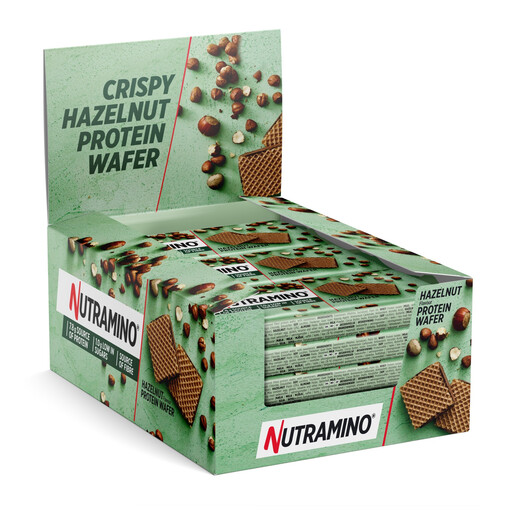 Image unavailable
This hazelnut-flavoured wafer is a convenient packaged snack to take with you. Check the protein per wafer and the ingredients list if the amount of protein or the presence of hazelnuts affects your choice. Also confirm how many wafers are included in the pack before ordering.
Don’t choose them based on that expectation alone: Santé Magazine lists hazelnuts as containing 14.4 g of protein per 100 g, but the amount you actually eat depends on your portion. If you want to know how much protein is in your snack, compare your portion with the other foods you plan to eat.
Plain, unsalted hazelnuts are a good option if you want to add nuts to a snack you’ve already put together. Manger Bouger recommends a small daily handful of unsalted, unsweetened nuts, without chocolate. Check the ingredients if you’re looking specifically for this type.
Not necessarily. Carrefour’s product pages for the NXT Level and Isostar bars list 7% and 2.6% hazelnuts respectively, as well as ingredients derived from milk or soya. Check the protein per bar and its sources in the ingredients list.
Check the ingredients list and allergen information for the product you buy, rather than relying on the word ‘hazelnut’ in its name. According to Anses, substances that can cause allergies or intolerances must be clearly identified in the list. A bar may contain hazelnuts, milk or soya, for example.