People avoiding hazelnuts or tree nuts
A product containing hazelnuts isn’t suitable, even if it carries a different ‘free from’ claim. If you choose another type of snack, check for ‘may contain’ warnings relating to the allergens you avoid, too.


If you need to avoid hazelnuts, choose a different type of snack rather than a hazelnut product labelled ‘gluten-free’ or ‘lactose-free’. If you can eat hazelnuts, plain hazelnuts and spreads made solely from hazelnuts have short ingredient lists; still check for ‘may contain’ warnings. Cereals, pastries and spreads need closer attention to their ingredients.
A product containing hazelnuts isn’t suitable, even if it carries a different ‘free from’ claim. If you choose another type of snack, check for ‘may contain’ warnings relating to the allergens you avoid, too.
Check each requirement separately. The Carrefour No Gluten hazelnut cereals we reviewed also contain cashew nuts and warn that they may contain traces of milk and peanuts, among other allergens.
If you can eat hazelnuts, plain hazelnuts or a spread made solely from hazelnuts are simple options for a snack. A short ingredient list doesn’t mean you can skip checking ‘may contain’ warnings.
For a study break, start by checking which allergens you need to avoid. Then compare the format and ingredients of the products that could work for you.
| Criterion | What to check | Who is it for? |
|---|---|---|
| Avoiding tree nuts | Check the ingredients and ‘may contain’ warnings on the exact pack; another ‘free from’ claim isn’t enough. | If you need to avoid hazelnuts during a break, rule out recipes that contain them. Around 36% of consumers would put avoiding hazelnuts or tree nuts at the heart of their choice. |
| Gluten-free or lactose-free | Check the allergen you need to avoid, then look for hazelnuts, cashew nuts and any ‘may contain’ warnings. | A hazelnut snack could still be an option if you can eat hazelnuts, provided you check separately for the ingredient you need to avoid. Around 29% of consumers would prioritise avoiding gluten or lactose. |
| Short ingredient list | Check the ingredients, including whether the product contains salt, added sugars or other ingredients. | If you want a hazelnut-based snack without lots of additional ingredients, you may prefer plain hazelnuts or hazelnut spread. Around 21% of consumers would put simple ingredients first. |
| Ready-to-eat format | Check the allergens, portion size and nutritional information per 100 g. | If you need something to eat during a short break, a ready-made snack may matter more than a short recipe. Around 14% of consumers would prioritise this format. |
The Carrefour No Gluten hazelnut cereals we reviewed contain hazelnuts and cashew nuts. The ‘gluten-free’ claim doesn’t tell you whether these ingredients are present.
If you avoid tree nuts, check the ingredients and choose a different type of snack if they’re listed.
Product listings for plain hazelnuts and hazelnut spread can warn that they may contain traces of peanuts, sesame or other tree nuts, depending on the product.
Read the warnings on the pack you buy, even if there’s only one ingredient in the list.
The Carrefour spread we reviewed contains whey and lactose; the Lidl hazelnut croissant we reviewed contains wheat, milk and eggs, among other ingredients. These products don’t meet the same criteria as a bag of plain hazelnuts.
Compare ingredients and nutritional information on the same basis, particularly per 100 g, before choosing a format.
The products we reviewed include hazelnuts, ground hazelnuts, hazelnut cereals and a spread.
The Bio Village product we reviewed is a bag of organic shelled hazelnuts.
The Seeberger product we reviewed is a bag of plain shelled hazelnuts.
The hazelnut cream croissant we reviewed is an example of a ready-to-eat bakery snack.
The nu3 hazelnut spread we reviewed can be spread on food or added to a snack.
These ready-to-eat snacks offer another option for a study break. If you need to avoid hazelnuts or other allergens, check the ingredients and ‘may contain’ warnings on the packaging before choosing.
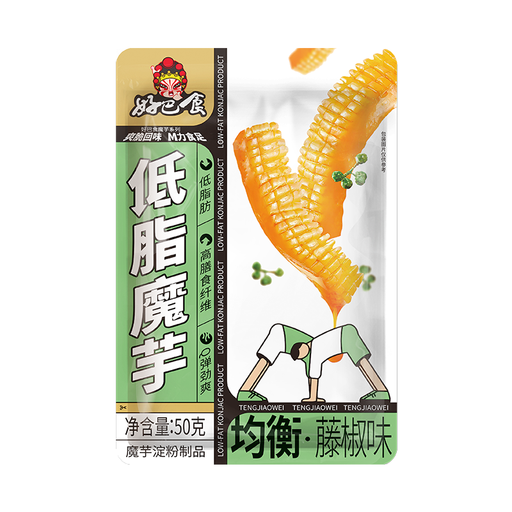 Image unavailable
This ready-to-eat snack could work for a break if you’re looking for something other than a hazelnut product.
The pack contains 50 g. The listed ingredients include soya but not hazelnuts; if you need to avoid tree nuts, check the ‘may contain’ warnings on the pack.
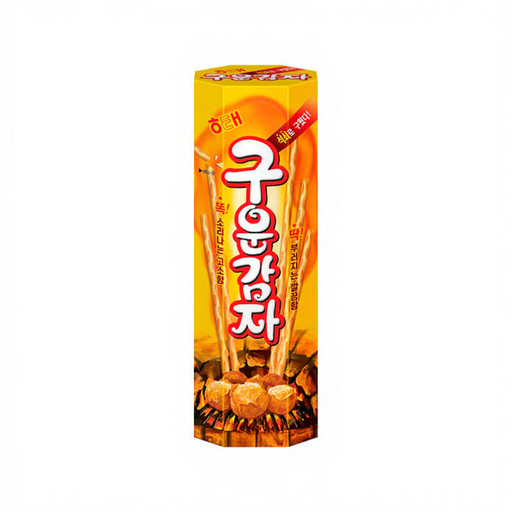 Image unavailable
This individual pack is another option for a short break, depending on which allergens you need to avoid.
It contains 27 g. Wheat, milk and soya are listed for this product; hazelnuts aren’t mentioned in the ingredients, but you should still check the ‘may contain’ warnings on the packaging.
Not if hazelnuts are the allergen you need to avoid: the hazelnut products we reviewed list hazelnuts as an ingredient. A ‘gluten-free’ or ‘lactose-free’ claim doesn’t mean ‘tree nut-free’.
Read the ingredients and ‘may contain’ warnings for the exact product. The DGCCRF reminds consumers that allergenic ingredients must be highlighted in the ingredients list of pre-packed foods. The snack’s name or a search filter is no substitute for checking the label.
They pose a choking risk for young children. The Auchan listing for Seeberger hazelnuts highlights this risk, particularly for children under 4; check the product warnings and choose a form that’s suitable for the child’s age.
Start by comparing the ingredients, then look at the nutritional information per 100 g and the portion you plan to use. The Carrefour spread we reviewed lists 45,99 g of added sugars per 100 g, while the nu3 spread sold by Monoprix is described as being made from 100% hazelnuts. Check the values on the pack you choose rather than drawing conclusions from the ingredient list alone.