
Livraison le jour même ou le lendemain

Qualité garantie

Débloquez vos offres de bienvenue: Livraison GRATUITE | Jusqu'à -80 % | 30 jours d'essai gratuits à JoyPlus
Téléchargez l'application
Hawthorn Chinese snacks are a delight, with their blend of fruity tartness and sweet softness. But behind similar-sounding names, you can find very different recipes, textures and formats. To avoid unpleasant surprises, it’s better to check what’s actually inside the packet rather than relying on claims like “traditional”, “natural” or “made with fruit”.
Hawthorn brings its tangy flavour, but recipes for hawthorn slices, hawthorn strips and fruit pastes often contain sugar, maltose syrup or glucose syrup. A high proportion of hawthorn doesn’t necessarily mean the product is low in sugar.
Take a look at the ingredients list and the nutritional information per 100g. In this selection, several products show between 45g and 70g of sugar per 100g. These are treats to enjoy occasionally rather than snacks to munch on freely.
Some recipes boast that they contain no artificial colours or preservatives. Others contain preservatives, pectin, acidity regulators or sulphites. An additive isn’t automatically a bad thing – it all depends on your priorities and the exact composition of the product.
People who are sensitive to sulphites should pay particular attention to products that list them as allergens. Before consuming, the ingredients printed on the packaging remain the best source of information.
A large packet can be handy for sharing, but its soft texture may deteriorate after opening if it’s not sealed properly. Individual portions, on the other hand, are easy to slip into a bag or take to the office. The trade-off is that their price per weight is often higher.
The amount of hawthorn is a good point of comparison between similar recipes. O’Say Fructus Crataegus, for example, contains 52.55% hawthorn, compared to over 55% for Xue Ji strips and 65% for Red Farmer Union balls. However, these figures should be weighed against the amount of sugar and syrup, which is usually listed just after in the ingredients list.
If you’re after a pronounced fruity taste, go for a product where the proportion is clearly stated. For a milder or more surprising flavour, recipes that combine hawthorn with cranberry, strawberry, blueberry or red date can be interesting.
Also consider the net weight, the number of packets and the storage conditions. Individual packaging preserves the texture better and makes portion control easier.
To compare products on a solid basis, check the following points:
In the UK, choose products with clear, easy-to-understand labelling. Check the mandatory information before you buy – a marketing promise never replaces reading the ingredients.
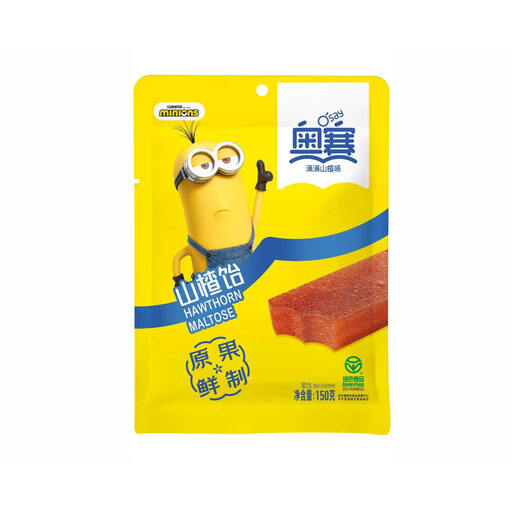
Why this choice suits this profile: At 150g, this packet lets you discover the classic taste of hawthorn without committing to a larger format straight away. The individual portions are practical to carry and share.
The ingredients list is short: hawthorn, sugar and malt syrup. The proportion of hawthorn reaches 52.55% and the product sheet mentions no artificial colours or preservatives.
Soft, slightly chewy texture, individual portions, 150g format and 355kcal per 100g according to the product sheet.
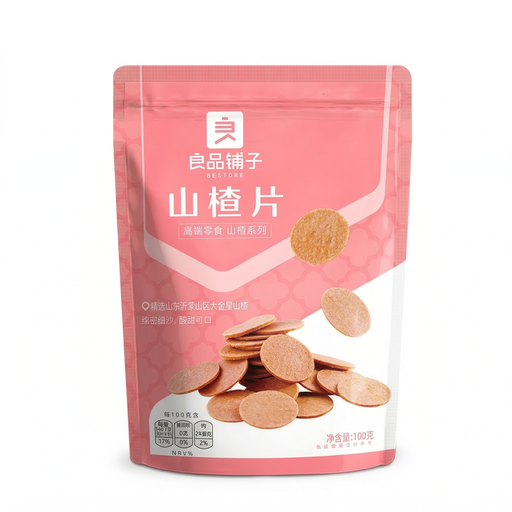
Why this choice suits this profile: This 250g packet is aimed at those looking for a traditional option to enjoy with tea or share during a sociable moment.
The format and thin slices make it easy to portion out. However, note that sulphites are declared. Anyone affected should check the ingredients before buying.
Net weight of 250g, thin slices and clearly stated ingredient proportions.
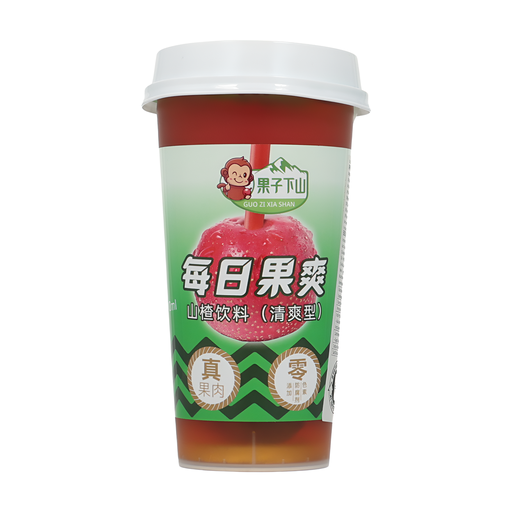
Why this choice suits this profile: This 380ml can is ideal for those who want a fruity drink rather than strips or sweets to take on the go.
The product sheet states the net volume, an energy value of 43kcal per 100ml and recommends consuming quickly after opening. So don’t mistake it for a sugar-free drink.
Ready-to-drink format, fruity notes, recommended to keep chilled and best enjoyed refrigerated according to the product sheet.
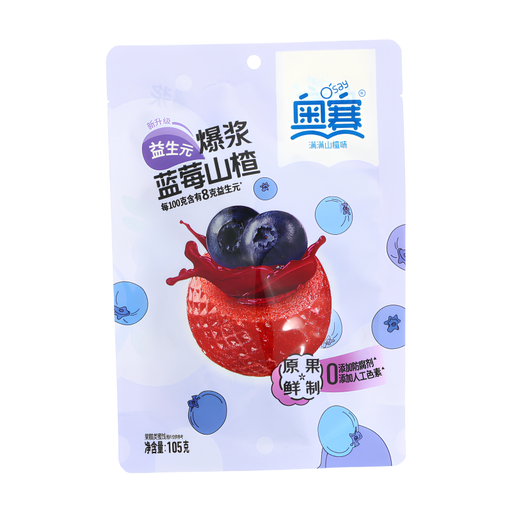
Why this choice suits this profile: Its rolled format and blueberry centre offer a change from traditional Chinese preserved fruits, while remaining easy to share.
The product sheet states the proportion of hawthorn, which is 42.88%, as well as the presence of a blueberry filling and a preservative. So the label lets you check what this unusual-looking product actually contains.
Chewy outer texture, fruity centre, individually wrapped portions and net weight of 105g.
We’ve put together a full selection, updated in real time, of products that meet these exacting criteria as well as European safety regulations.
Slices are usually cut into rounds or compact pieces. Hawthorn fruit paste is flatter, rolled or cut into strips. The difference is mainly in the shape and texture, but also in the additional ingredients – always check the label.
Follow the manufacturer’s instructions. As a general rule, store the snacks in a cool, dry place away from light, and reseal the packet carefully. Individual portions limit exposure to air and help preserve the texture for longer.
No. A drink can taste tangy while still being sweet. Compare the amount of carbohydrates and sugar per 100ml, then take into account the total volume of the can or bottle.