
Livraison le jour même ou le lendemain

Qualité garantie

Débloquez vos offres de bienvenue: Livraison GRATUITE | Jusqu'à -80 % | 30 jours d'essai gratuits à JoyPlus
Téléchargez l'application
Hawthorn Chinese snacks are loved for their sweet-and-sour taste, chewy texture and handy formats that slip easily into a bag. But two products with very similar names can have completely different ingredients. A fruit paste may contain a variable amount of hawthorn, while a hawthorn drink is sometimes mostly water, sugar and flavourings.
Before placing an order, there are three pitfalls to avoid:
The proportion of hawthorn is a good way to compare different products. It’s often shown in the quantitative ingredient declaration. As a guide, the products available show very different levels:
A high percentage doesn’t guarantee you’ll like the taste more. It can bring out the fruity, tangy notes, while a recipe higher in sugar or syrup will taste sweeter.
For a hawthorn fruit paste or Chinese hawthorn slices, start by looking at the order of ingredients – they’re usually listed in descending quantity. The simplest recipes sometimes only combine hawthorn and sugar. Others add maltose syrup, pectin, citric acid, flavourings or preservatives.
The presence of sulphites must be clearly stated when it applies to the product. Bestore Hawthorn Slices 250g, for example, mention sodium metabisulphite and the allergen “sulphites”. The Be&Cheery Assorted Hawthorn product, on the other hand, lists the colouring E129 and the presence of sweeteners, with a warning about children’s activity and attention. So before serving these sweets to the whole family, take the time to read the label.
The format can completely change how you use it day to day:
Nutritional values are usually given per 100g or 100ml. O’Say Fructus Crataegus shows 355 kcal and 62g of sugars per 100g, while Guozixiashan 380ml drink shows 43 kcal and 9.8g of sugars per 100ml. To properly compare a confectionery and a hawthorn drink, always relate the figures to the amount you’ll actually consume.
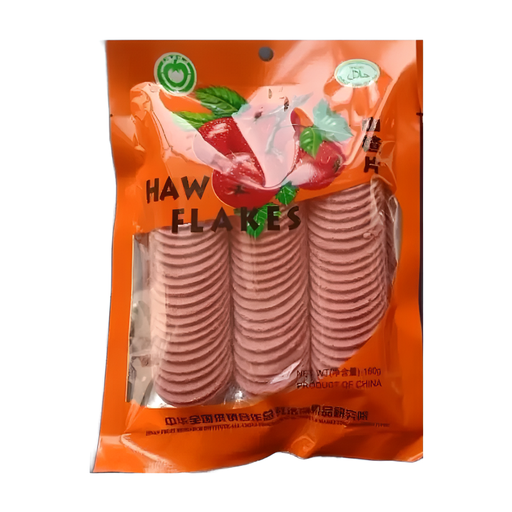
Why this choice suits this profile: With its 160g format and sliced presentation, this product lets you discover the traditional flavour without committing to a complex assortment.
The listing shows a recipe based on hawthorn, sugar, water and a food additive. So you can check the ingredients instead of relying only on the picture.
A classic sweet-and-sour taste, a chewy texture and a 160g pack that’s easy to share.
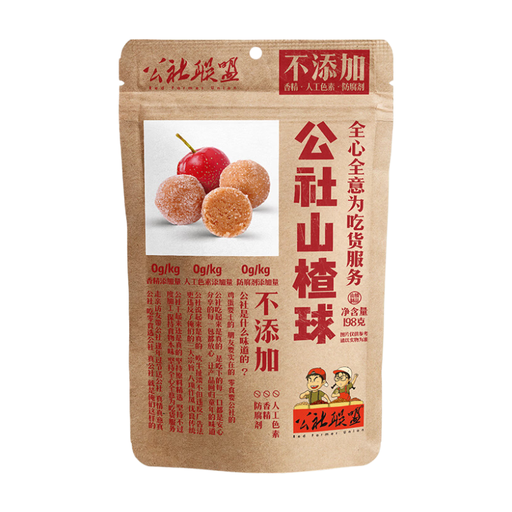
Why this choice suits this profile: Fans of strong fruity flavours will appreciate the stated 65% hawthorn content and the soft, chewy texture of these bite-sized treats.
The stated percentage and short ingredient list – hawthorn, sugar and maltose syrup – make it easy to compare with more heavily loaded recipes.
A 198g pack, 65% declared hawthorn content and no preparation needed – just enjoy.
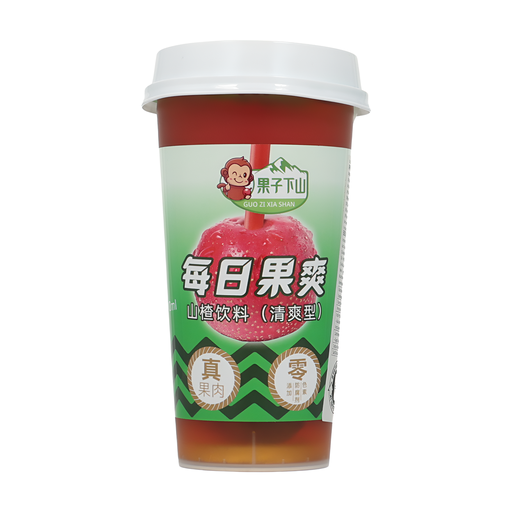
Why this choice suits this profile: At 380ml, this can easily accompanies a meal or picnic, and will suit those who prefer a fruity drink to a confectionery.
The listing details the water, hawthorn, sugar, acidity regulators, potassium sorbate and flavourings. Once opened, the drink must be refrigerated and consumed quickly.
A 380ml format, a ready-to-serve drink and best enjoyed well chilled.
As long as they remain unopened, these products generally keep in a cool, dry place away from sunlight. The best-before date on the packaging is what counts. Once opened, reseal the bag carefully and consume the contents quickly to preserve the texture.
Both formats are often based on a dried or concentrated fruit preparation. Rolls are individually wrapped or presented as a strip, while fruit paste can be cut into sheets, bars or portions. The most relevant thing to check remains the ingredients, especially the percentage of hawthorn and the amount of sugar.
It all depends on how much you consume. A drink may show fewer calories per 100ml, but a whole can represents several hundred millilitres. Check the “of which sugars” line and relate the figures to the portion you actually plan to drink.