
Livraison le jour même ou le lendemain

Qualité garantie

Débloquez vos offres de bienvenue: Livraison GRATUITE | Jusqu'à -80 % | 30 jours d'essai gratuits à JoyPlus
Téléchargez l'application
A head covering might seem simple to pick… until the first flaws appear: a fit that’s too tight, a brim that warps, fabric that traps heat, or rain protection that’s far less convincing than expected. To avoid a disappointing purchase, it’s better to focus on use, dimensions and care rather than just style or marketing claims.
This guide to hats and caps for men and women reviews the criteria to check before buying, then offers a selection suited to several profiles: daily commutes, winter, sport and outdoor activities.
The label “one-size-fits-all” doesn’t guarantee the head covering will suit every head circumference. An adjustable cap offers more flexibility, but it’s still best to measure your circumference above the eyebrows and ears.
Some models specify a precise range, for example 56 to 59 cm or 57 to 61 cm. This information is far more useful than a simple “unisex” mention.
A breathable cap promotes air circulation while walking or running, without necessarily being designed to withstand a downpour. Conversely, a waterproof textile can trap more heat if it’s not combined with mesh panels or a sweatband.
For outdoor use, check separately:
A mention like UPF 50+ or “waterproof” should be interpreted in light of the information provided on the product page: brim width, areas covered, type of rain and conditions of use. A UPF 50+ sun hat doesn’t replace other precautions during prolonged exposure. Also remember to distinguish between claims made by the manufacturer and performance guaranteed by a standard or independent body.
Measure your head circumference with a soft tape measure, without pulling tight. For a baseball cap, an adjustable closure or stretchy material makes fitting easier. When hiking, fishing or camping, a chin cord can prove invaluable when the wind picks up.
The models featured in this selection cover several ranges:
A wool beanie suits cooler temperatures thanks to its stretchy knit and insulating properties. For the models concerned, however, hand washing and flat drying are recommended.
In warmer weather, lightweight polyester and nylon dry quickly and are easy to carry. Look for a sweat-wicking headband, ventilated panels and a brim that’s flexible enough to pack without hassle.
A classic cap mainly protects the forehead and eyes. A hiking hat or wide-brim bucket hat covers more of the face and neck. The stated brim width should, however, be considered alongside stability: an adjustable cord or removable chin strap will prevent the model from blowing away at the first gust of wind.
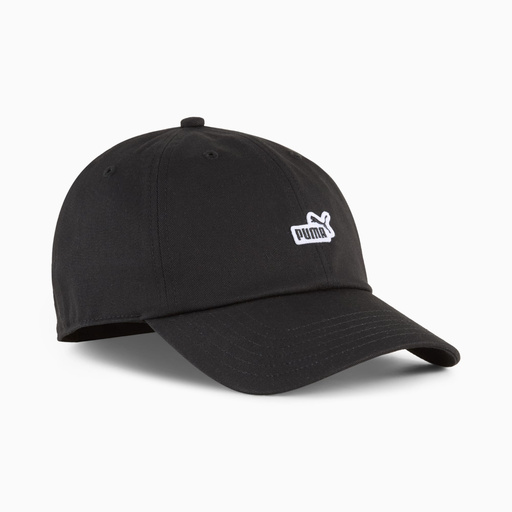
Why this choice suits this profile: This black cotton cap relies on a classic silhouette, suitable for daily commutes, casual outings and first-time versatile use.
The product page mentions an adjustable closure as well as sizes M and L. It is therefore possible to check the fit rather than relying on a vague one-size indication.
Stated composition: cotton for the crown and peak, polyester inner sweatband and pre-curved peak.
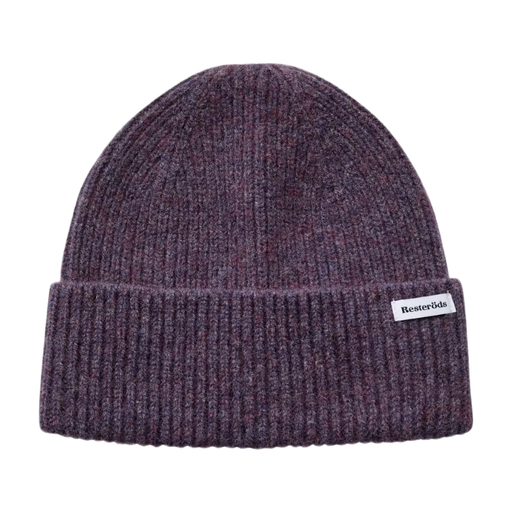
Why this choice suits this profile: This wool beanie is aimed at those who prioritise a natural material and a understated fit for winter or walks in cool weather.
The composition and care instructions are clearly stated: 100% wool, hand wash, no tumble drying or ironing.
Stretchy knit, classic fit and head circumferences between 54.5 and 61.6 cm depending on the size chosen.
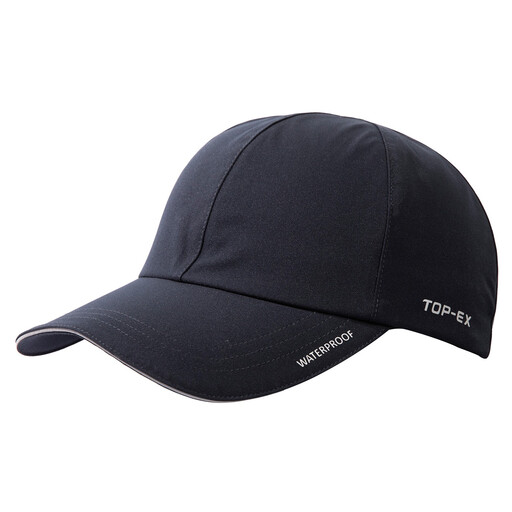
Why this choice suits this profile: Its lightweight design and cooling sweatband make it suitable for running, golf, walking and travel, where an easy-to-carry accessory is appreciated.
The product page distinguishes between M/L, L/XL and XL/XXL sizes, for head circumferences from 56 to 64 cm. Hand washing is also recommended to preserve the shape.
Breathable mesh-structure polyester, moisture-wicking sweatband, flexible peak and adjustable reflective strap.
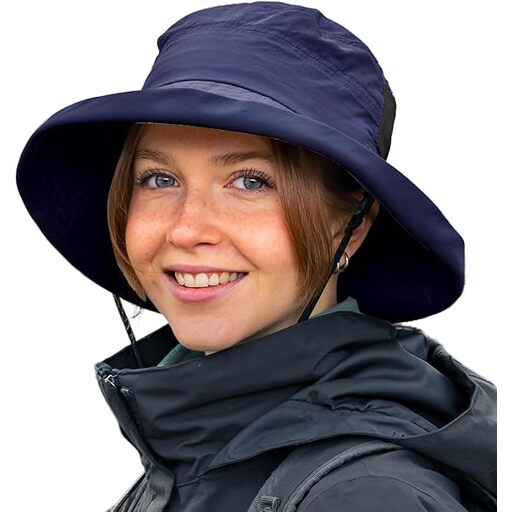
Why this choice suits this profile: Its wide brim and removable cord are suited to activities where you have to contend with sun, wind and packing in a bag.
The product page specifies the waterproof nylon material, sizes S to XL, a brim of 7 to 9.4 cm and the presence of a detachable chin strap.
Mesh and polyester lining, packable design, adjustment cord and UPF 50+ mention on the product page.
We’ve put together a comprehensive, real-time updated selection of products that meet these demanding criteria and European safety standards.
Even a sturdy cap can become misshapen if poorly maintained. Follow the instructions on the product page and label:
The lifespan depends on frequency of wear, perspiration, exposure to the elements and storage conditions. A machine-washable material isn’t necessarily designed to withstand frequent or high-temperature cycles.
Place a soft tape measure horizontally, about one centimetre above the eyebrows and ears. Take the measurement without pulling tight, then compare it to the size chart provided with the product, especially if you’re choosing an adjustable cap or a warm winter beanie.
A baseball cap generally favours a classic silhouette and a pre-curved peak. A sports cap more often incorporates functional elements: mesh fabric, sweatband, lightweight material or reflective details. The right choice depends on the intensity of the activity and the weather conditions.
A waterproof bucket hat is most useful in light rain or for outdoor activities. In winter, a wool beanie will provide different insulation and warmth. In summer, look instead at ventilation, weight, brim width and the UPF rating stated on the model’s product page.