
Livraison le jour même ou le lendemain

Qualité garantie

Débloquez vos offres de bienvenue: Livraison GRATUITE | Jusqu'à -80 % | 30 jours d'essai gratuits à JoyPlus
Téléchargez l'application
Whether for a mountain hike, a rainy bike commute, or facing a downpour in the city, a good waterproof hardshell jacket is an indispensable ally. Yet, the market is flooded with confusing marketing jargon and technical promises. Making the right choice guarantees you'll stay dry and comfortable without throwing your money away. But before you pull out your credit card, you need to know how to avoid the most common pitfalls.
It's easy to get lost in the technical jargon of outdoor apparel. As a result, many buyers end up with a disappointing product that fails to deliver on its promises. Here are the most common mistakes to avoid.
To make an informed choice, focus on a few objective technical specifications that define the performance of a trekking jacket or an everyday rain jacket.
Waterproofness is measured in Schmerber (or millimetres of water column). This rating assesses the pressure the fabric can withstand before water penetrates it.
Breathability is the fabric's ability to let water vapour (sweat) escape. It is measured in MVTR (Moisture Vapour Transmission Rate), expressed in g/m?/24h.
A quality men's outdoor jacket or women's outdoor jacket is recognisable by its finishing touches:
To put theory into practice, here are a few models suited to different profiles.
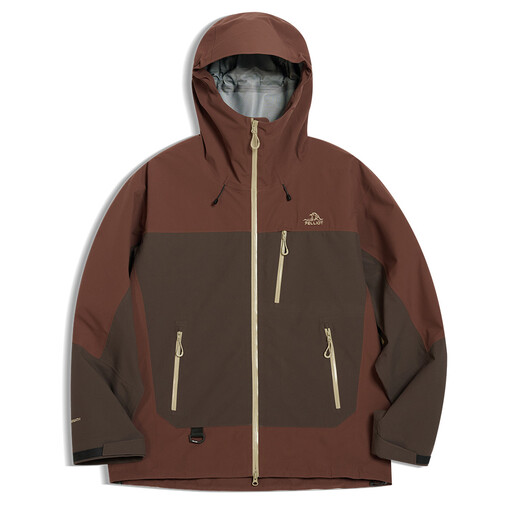
Why we love it: Perfect for tackling daily downpours without sacrificing style. Its modern, two-tone look sets it apart from classic hiking jackets. It's as comfortable in the city as it is on a weekend trail.
Its "storm-proof" membrane ensures true waterproofing (pitfall #1), and its breathable design prevents the "boil-in-the-bag" effect (pitfall #2).
Its city-to-trail versatility; a robust, wind- and abrasion-resistant fabric for ultimate durability.
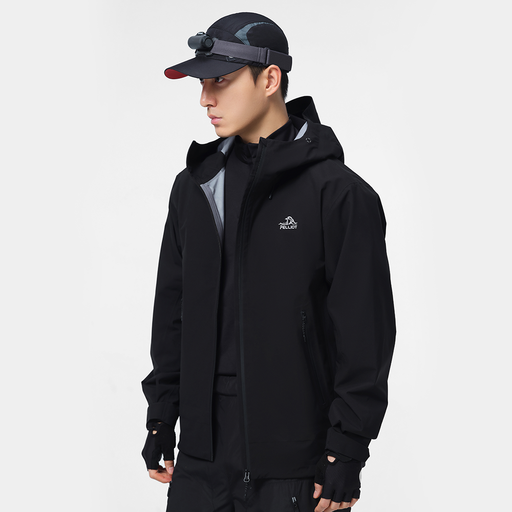
Why we love it: Built for mountain trekking, this Pelliot jacket prioritises technical performance. It's aimed at those who face changing weather conditions and demand reliable, durable gear on the trails.
Its anti-abrasion fabric directly addresses the durability pitfall (#3). Its high breathability is designed for intense exertion, banishing the "plastic bag" effect.
Rugged construction for demanding terrain; optimised waterproof-breathable balance for exertion.
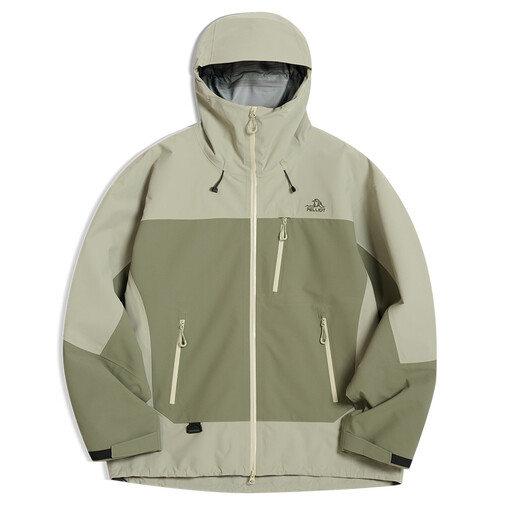
Why we love it: This is the Swiss Army knife of rain jackets. A highly balanced model for those who want a single jacket for everything: from the daily commute in a downpour to a hike on a snowy trail.
It offers an excellent balance between waterproofing and breathability, avoiding the disappointments of entry-level models without the price tag of ultra-specialised jackets.
Excellent versatility for the price; unisex design and a precise sizing guide for a perfect fit.
Explore our full selection of products that meet our demanding selection criteria.
1. How do I care for my hardshell jacket to maintain its performance? Wash your jacket with a special detergent for technical apparel, never use fabric softener, and follow the instructions on the care label. To reactivate the durable water repellent (DWR) treatment, you can tumble dry it on low heat (if the label permits) or use a re-waterproofing spray after several washes.
2. What's the difference between a hardshell and a softshell jacket? A hardshell focuses on maximum protection against the elements: it is fully waterproof and windproof. A softshell, on the other hand, prioritises comfort, flexibility, and breathability. It is usually just water-repellent and designed for activities in cool, dry weather or light rain.
3. Is a hardshell jacket warm enough for winter? A hardshell is armour, not a blanket. It insulates you from wind and moisture (rain, snow) but provides almost no warmth. In winter, it is essential to combine it with insulating mid-layers (like a fleece or a thin down jacket) following the famous three-layer system.