
Livraison le jour même ou le lendemain

Qualité garantie

Débloquez vos offres de bienvenue: Livraison GRATUITE | Jusqu'à -80 % | 30 jours d'essai gratuits à JoyPlus
Téléchargez l'application
Whether you're planning a high-altitude trek, a hike in unpredictable weather, or simply want to stay dry on your bike, choosing the right hardshell jacket is crucial. But between the technical jargon, vague marketing promises, and a sea of numbers, it's easy to get lost. Our mission: to give you the keys to finding THE jacket for your needs and, most importantly, ensuring you won't regret your purchase.
Before we talk about specific models, let's review the three most common pitfalls to avoid at all costs:
To avoid buying blind, you need to master three key indicators that define the true performance of a technical rain jacket.
A fabric's waterproofness is measured in Schmerber (or mm water column). This rating quantifies the water pressure a material can withstand before water penetrates it.
Breathability is the jacket's ability to let water vapour (sweat) escape. It's measured in MVTR (Moisture Vapour Transmission Rate), or g/m?/24h. Simply put: the higher the number, the better the jacket "breathes."
Beyond the numbers, one practical detail often makes all the difference: underarm ventilation zips (or pit zips). They allow you to create a welcome airflow to vent excess heat during exertion. It's a feature that spec sheets don't always mention.
A "hardshell" is a technical layer cake. Its performance depends on how the layers are bonded (laminated) together.
For every activity, there's an ideal jacket. Here are three models that perfectly meet the criteria we've just established, each designed for a different type of adventurer.
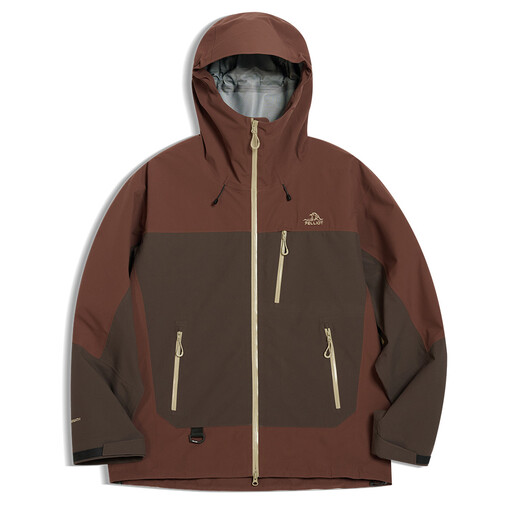
Why it's the right choice: Perfect for those who juggle the urban jungle and hiking trails. Its modern two-tone design breaks the mould of classic outdoor gear, making it just as suitable for a bike commute as for a weekend getaway. Flawless protection, with added style.
Its membrane ensures true waterproofness in continuous rain, going far beyond a simple water-repellent treatment. Its breathability is calibrated for mixed use, effectively wicking moisture in the city and on the trail.
Its absolute versatility: one jacket to take on daily life, the mountains, rain, and snow. Its robust fabric resists abrasion, backpack friction, and demanding terrain.
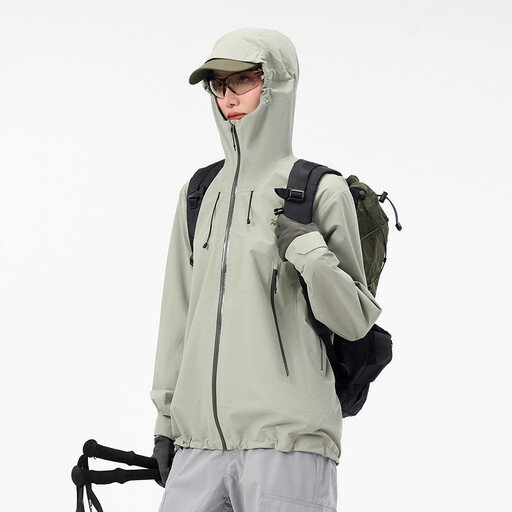
Why it's the right choice: Built for the harshest environments, this jacket is aimed at serious mountaineers and trekkers. It's packed with technical details that make a difference in safety and comfort during long, intense efforts, whether on glaciers or rocky ridges.
It directly tackles overheating with large ventilation zips under the arms. Its 3-layer construction offers the ideal compromise between bulletproof durability and optimised weight.
The integration of a RECCO avalanche rescue reflector, a real safety bonus for off-piste adventures. Its waterproof-breathable performance is designed for the most extreme conditions.
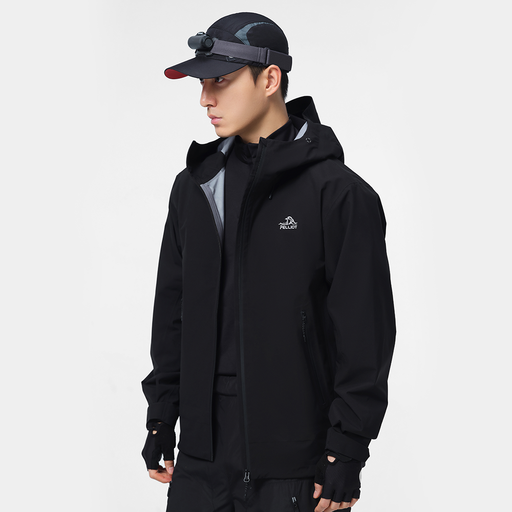
Why it's the right choice: Ideal as a first men's hardshell jacket or women's hardshell for getting serious gear without breaking the bank. It gets straight to the point: effective protection against rain and wind and good breathability, with no unnecessary frills.
It offers a true waterproof and windproof membrane, not just a surface treatment that washes off. Its fabric resists abrasion and prevents premature wear, the Achilles' heel of many entry-level models.
Its unbeatable price-performance ratio. Its clean, functional cut works just as well on the trails as it does in the city, making it an ultra-versatile model.
Explore our full selection of technical jackets, all chosen for their performance and durability.
Regular maintenance is key to its longevity. Wash it as soon as it gets dirty or you notice that water no longer beads on the surface. Use a special detergent for technical apparel, close all zips, and—most importantly—never use fabric softener! To reactivate the water repellency, a tumble dry on low heat (if the label allows) or applying a re-waterproofing spray after washing works wonders.
No. A hardshell is a shield (the "shell"), not a heater. It protects you from wind and moisture but provides no insulation. In winter, it's part of the famous 3-layer system: a technical base layer to wick away sweat, an insulating mid-layer (fleece, down jacket) for warmth, and finally, the hardshell as a barrier against the elements.
It's simple: a hardshell is an impenetrable shield against the worst weather (rain, wind, snow). A softshell, on the other hand, prioritises breathability and stretch for total freedom of movement. It's water-repellent and wind-resistant, but not 100% waterproof. A softshell is perfect for cool, dry weather or high-intensity activities. A hardshell is your insurance policy for when the heavens open up.