
Livraison le jour même ou le lendemain

Qualité garantie

Débloquez vos offres de bienvenue: Livraison GRATUITE | Jusqu'à -80 % | 30 jours d'essai gratuits à JoyPlus
Téléchargez l'application
Whether you're hiking in the mountains, commuting by bike in a downpour, or just taking a stroll through the city?: finding the right waterproof hardshell jacket can often be a real headache. Between the technical jargon and marketing promises, it's easy to get lost. Our mission?: to demystify this world for you and help you identify the criteria that truly matter for a successful purchase.
Before you dive in, here are two classic pitfalls to avoid at all costs?:
To make an informed choice, there are two performance indicators you need to know inside and out. They will allow you to objectively compare a technical mountain jacket with a simple urban breathable windbreaker.
A fabric's waterproof rating is measured in Schmerber (or millimetres). This rating represents the height of a water column the fabric can withstand before water begins to penetrate it.
The detail that changes everything?: make sure the jacket has taped or heat-sealed seams. Without them, water will seep through the stitch holes, rendering even the best membrane completely useless.
This is the fabric's ability to let water vapour (your sweat) escape to the outside. It's measured in MVTR (Moisture Vapour Transmission Rate), expressed in g/m?/24h. The rule of thumb?: the higher the number, the better.
A good unisex outdoor jacket is one that strikes the perfect balance between these two parameters for maximum versatility.
A different jacket for every use. Here are three models that meet specific needs, all while avoiding the classic pitfalls.
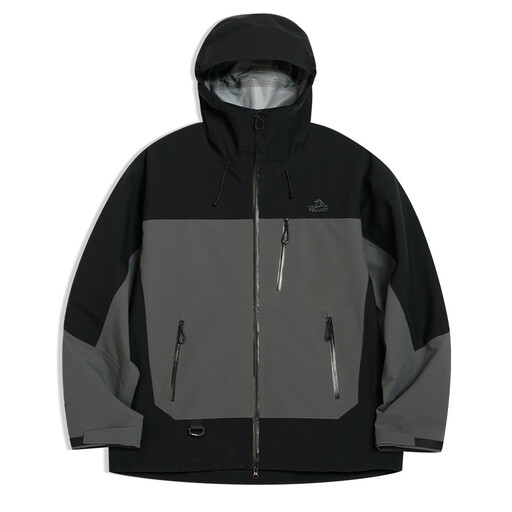
Who is it for? The Swiss Army knife of protective gear. For those who want a single jacket that can take them from their daily commute to a weekend hike. Its modern look is just as at home in the city as it is on the trail.
We're talking about a true membrane designed for heavy downpours, not just a water-repellent coating that gives up at the first shower. As for breathability, it effectively wicks away sweat to save you from the "pressure cooker" effect.
Versatility: An all-rounder model that's equally comfortable in the city and in the great outdoors. Durability: Its fabric is designed to withstand abrasion from rocks and branches.
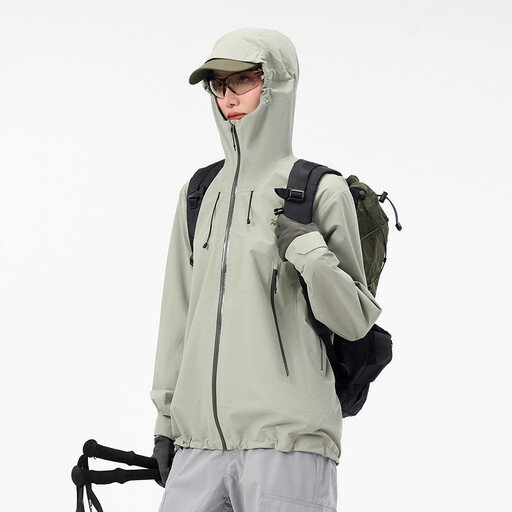
Who is it for? For those who are serious about the mountains. Mountaineering, challenging treks... when conditions get tough, you need flawless gear. Here, performance and safety are non-negotiable.
The game-changing detail: underarm ventilation zips (pit zips) let you regulate your temperature during exertion and prevent overheating. Its waterproofing is built for storms, not just a light drizzle.
Safety: It includes a RECCO reflector, an essential standard for being locatable in the event of an off-piste avalanche. Performance: Its lightweight, stretch fabric ensures total freedom of movement, with top-tier waterproof and breathability ratings.
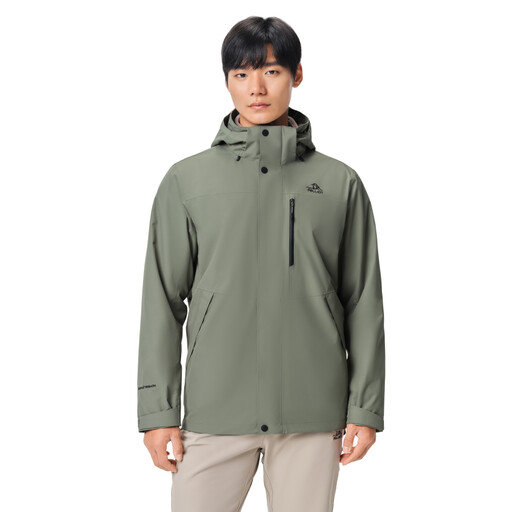
Who is it for? For the pragmatist looking for an all-in-one solution that's effective from rainy springs to freezing winters, without needing to buy multiple jackets.
The 3-in-1 jacket concept is perfectly executed here. The outer layer is a high-performance hardshell (35,900 mm waterproof rating and 16,000 g/m?/24h breathability), while the removable fleece liner handles insulation. No more compromising with mid-season jackets that fail when the weather truly turns.
Ultimate Modularity: Wear the hardshell alone in the rain, the fleece alone in cool, dry weather, or combine both to tackle cold and damp conditions. Thermal Comfort: The fleece lining retains heat and features an anti-static treatment.
Discover our complete selection of technical jackets, all chosen for their performance and reliability.
1. How do I care for my hardshell jacket to keep it waterproof? Wash it with a special detergent for technical apparel (and absolutely no fabric softener!) following the instructions on the label. To restore its performance, you can reactivate the water-repellent finish (the DWR treatment) by tumble drying on low heat (if the label permits) or by applying a re-waterproofing spray after washing.
2. Hardshell vs. Softshell?: What's the difference? To put it simply: the hardshell is your armour against the elements (rain, wind). It is 100% waterproof and windproof, but often a bit more rigid. The softshell, on the other hand, prioritises breathability and flexibility. It's usually water-repellent but not fully waterproof, making it perfect for high-intensity activities in dry weather or light drizzle.
3. Is a unisex jacket a good choice for women? Absolutely. Models like the unisex outdoor jacket are designed with versatile cuts. The most important step is to consult the size guide on the product page. Take your measurements (chest circumference, arm length) and compare them to the chart. This is the only way to guarantee a perfectly fitting jacket that gives you complete freedom of movement.