Households that clean tiled floors frequently
You’d like to build wet cleaning into your routine for compatible hard floors. A dedicated appliance may appeal if you’re happy to empty its tanks and clean its cleaning components.


For regular cleaning of tiles or other compatible hard floors, a dedicated floor cleaner may suit you if you’re happy to empty its tanks and maintain its cleaning components. It won’t necessarily replace vacuuming up dry dust and debris, so if that’s your priority, keep your vacuum cleaner and mop. A corded model avoids battery-life limitations, while a cordless one makes it easier to move around. Only consider steam once you’ve confirmed that it’s suitable for your flooring.
You’d like to build wet cleaning into your routine for compatible hard floors. A dedicated appliance may appeal if you’re happy to empty its tanks and clean its cleaning components.
If crumbs, dust or other debris are a regular problem, check the dry vacuuming capabilities of the model you’re considering. As UFC-Que Choisir points out, a floor cleaner doesn’t necessarily replace a conventional vacuum cleaner.
You want to know what you’ll need to do after each clean and be able to replace any parts that need it. Check the maintenance instructions and the availability of rollers, filters and, for a cordless model, a compatible battery.
The first thing to consider is the difference between washing the floor and removing dry dirt. Then choose a cleaning method to suit your flooring, how you move around your home and the level of maintenance you’re comfortable with.
Consider this if: you regularly clean compatible hard floors and don’t want to rely on battery life.
Bear in mind: the cord restricts your movement, and the motor may make the appliance heavier, according to UFC-Que Choisir.
Consider this if: you value being able to move between rooms while cleaning regularly with water.
Bear in mind: use time is limited by the battery, and you’ll need to allow time for recharging.
Choose this if: removing dust and dry debris before washing the floor is your main priority.
Bear in mind: vacuuming and washing are still two separate steps.
Consider this only if: both the appliance instructions and your flooring manufacturer’s guidance say steam is suitable for your floor.
Bear in mind: a general statement that a product is suitable for “washable surfaces” doesn’t confirm that it’s safe for every material or finish.
| Consideration | What to check | Who it matters to |
|---|---|---|
| Regular floor washing | Floor compatibility; preparation and tank-emptying steps. | If I clean my tiled floors often, I want a routine that’s still simple after I’ve cleaned the appliance. Around 29% of consumers prioritise regular floor washing. |
| Dry dirt | Stated capabilities for dust and dry debris; whether separate vacuuming is needed. | When crumbs and dust build up, I need to be able to remove them first without assuming that washing will be enough. Removing dry dirt comes first for around 36% of consumers. |
| Getting around | Cord reach or battery life and charging time; ease of moving between rooms. | When moving from room to room, I prefer an appliance that’s easy to move, even if I need to factor in recharging. Mobility is the main priority for around 21% of consumers. |
| Maintenance | Cleaning the tanks and cleaning components; replacing compatible parts. | After washing the floor, I want to keep handling to a minimum and be able to maintain the appliance over time. Around 14% of consumers rank maintenance as their top concern. |
UFC-Que Choisir says a floor cleaner’s main purpose is to wash hard floors, and that it doesn’t replace a vacuum cleaner for removing dust and debris from dry floors.
If you often need to remove crumbs, dust or pet hair, check the appliance instructions for these types of dirt and plan to vacuum separately if necessary.
UFC-Que Choisir advises against using a floor cleaner on wooden parquet flooring. A general statement about washable surfaces isn’t enough to confirm that steam is safe for a particular floor either.
Identify your floor’s material and finish, then check the flooring manufacturer’s guidance against the appliance instructions before buying and using it.
Tanks, rollers, pads or filters may need attention after use. An automatic cleaning cycle doesn’t mean you can ignore the instructions.
Before choosing, check what you’ll need to do, which components are included and whether compatible replacement parts are available.
Depending on the model, rollers, filters or the battery may also need replacing over time.
Cordless convenience comes with limited battery life and the need to recharge. According to UFC-Que Choisir, replacing a non-removable battery may require a repair by the after-sales service.
Compare the stated battery life, charging time and whether the battery can be replaced with the time you usually spend cleaning.
FC and FCV models feature among the hard floor cleaners included in UFC-Que Choisir’s French product comparisons.
The X-Clean range includes cordless vacuum-mops designed to tackle wet and dry dirt on hard floors.
The Vaporetto range includes steam cleaners and steam mops, which are different from roller-based floor cleaners.
These Joybuy appliances illustrate two ways to wet-clean hard floors: a cordless vacuum-mop or a robot with a mopping function, and steam appliances. For each one, check that it’s suitable for your flooring and find out what maintenance is needed before choosing. Their functions don’t necessarily remove the need for suitable dry vacuuming.
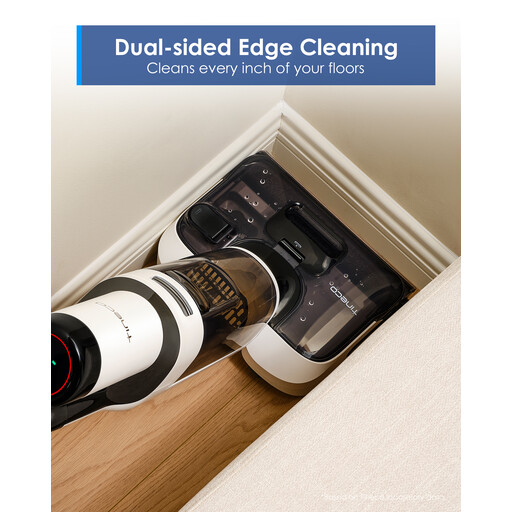 Image unavailable
For wet cleaning with a cordless appliance on compatible hard floors.
The model name advertises a 180° recline, 13 cm clearance and up to 40 minutes of use.
Check your floor’s finish, the guidance on cleaning products and what maintenance is needed after use. Don’t use this type of floor cleaner on wooden parquet flooring.
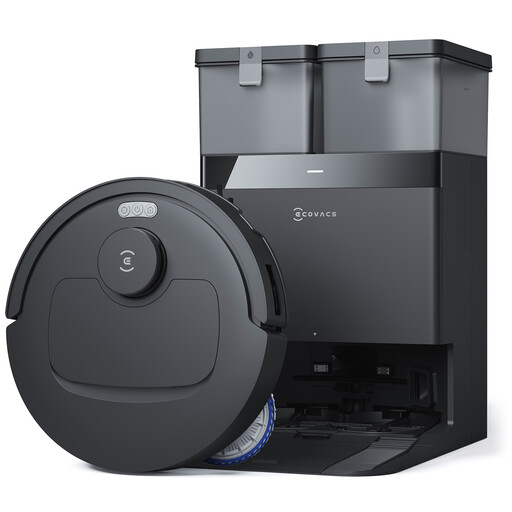 Image unavailable
For those who’d like a robot with a station to clean compatible hard floors.
The product name mentions a stated suction power of 25 000 Pa and mop pad washing at 75 °C by the station. These figures alone don’t indicate how well it will clean your floor.
Check that it’s suitable for your flooring, which cleaning product is approved for use in the station and how much space you’ll need for it. You’ll still need to maintain the brushes and filters; don’t use it on wooden parquet flooring.
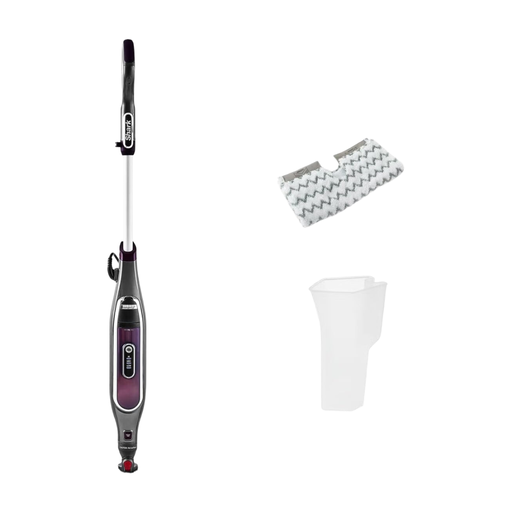 Image unavailable
For steam cleaning sealed hard floors, provided it’s suitable for the flooring material and finish.
The product is listed with a 6 m cable, a 350 ml tank and two washable pads.
The product information says not to add detergent, fragrance, vinegar or any other chemical to the tank. Check your flooring manufacturer’s guidance before use, especially for wooden parquet flooring.
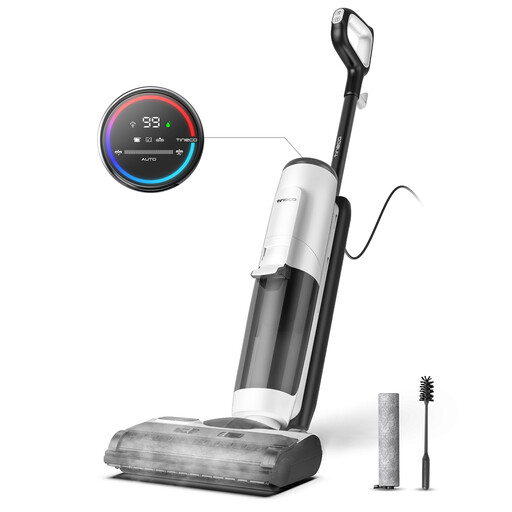 Image unavailable
For steam cleaning without having to recharge, if your floor is suitable for this method.
The model name specifies an 8 m cable; the actual reach also depends on where your sockets are.
Check the instructions for suitable flooring and required maintenance. Don’t assume that steam is suitable for wooden parquet flooring.
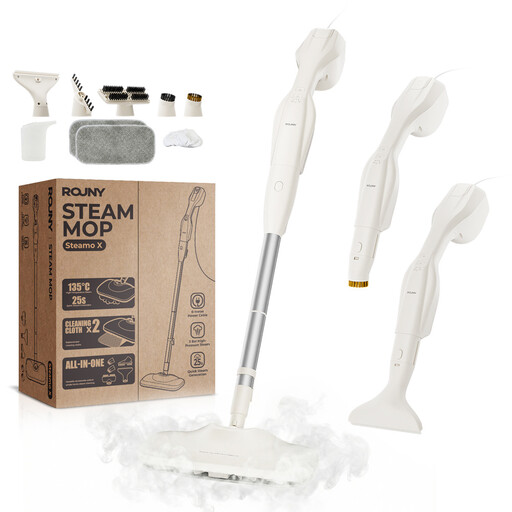 Image unavailable
For those interested in a steam appliance for floors that also works as a handheld cleaner, subject to surface compatibility.
The product name mentions a 6 m cable and five accessories.
Check which materials are suitable and read the instructions for the accessories before cleaning. Don’t assume that the steam function means it’s safe to use on wooden parquet flooring.
Not for dry vacuuming in general. UFC-Que Choisir says a floor cleaner doesn’t replace a vacuum cleaner for removing dust and debris from dry floors. If this is a common problem in your home, keep a separate vacuum cleaner or check the specific capabilities of the combination model you’re considering.
Don’t use a floor cleaner on wooden parquet flooring: this is the precaution UFC-Que Choisir recommends for this category. When it comes to steam, a general reference to parquet flooring across a product range isn’t enough. Check the flooring manufacturer’s instructions, the floor’s finish and the model’s instructions before use.
It depends on the model. UFC-Que Choisir says floor cleaners generally use cold water with detergent, often a brand-specific product. Check the instructions to see which product is approved; don’t add detergent to a steam appliance if its instructions say not to.
Follow the instructions to empty the relevant tanks, clean the cleaning components and leave them to dry. UFC-Que Choisir specifically mentions rollers, pads and filters as components that need maintenance. A self-cleaning cycle doesn’t replace all these steps.