Homes with a busy kitchen or hallway
If damp marks and small spills on tiles or vinyl need frequent attention, a roller cleaner can combine picking up everyday dirt with washing the floor. Bear in mind that it will need cleaning after use.


For regular cleaning of tiles or vinyl flooring, a roller cleaner can make quick clean-ups in the kitchen or hallway easier. However, it won’t necessarily replace a vacuum for dry debris: UFC-Que Choisir notes that its primary purpose is washing hard floors. Keep a separate vacuum and mop if dry dirt or a mix of floor types is the main concern; alternatively, consider a robot mop for scheduled cleaning alongside your usual routine.
If damp marks and small spills on tiles or vinyl need frequent attention, a roller cleaner can combine picking up everyday dirt with washing the floor. Bear in mind that it will need cleaning after use.
A floor cleaner can take some of the effort out of mopping. If you often deal with crumbs, dry dust or debris, keep a way to vacuum them up: UFC-Que Choisir distinguishes wet floor cleaning from dry vacuuming.
A robot mop is a good fit if you want to schedule regular cleaning, as long as you keep a manual option for targeted spills and marks. In its tests of robot mops, UFC-Que Choisir found that most models tested performed poorly at both vacuuming and washing.
Start with the dirt you need to tackle and your flooring, then compare what you’ll need to do before and after each cleaning session.
Choose this: for frequent wet cleaning on a hard floor confirmed as compatible.
The trade-off: UFC-Que Choisir notes that dry debris may not be picked up very well; the tanks and roller also need maintenance.
Choose this: when dry dust, crumbs or a variety of floor types mean you need to vacuum and wash separately.
The trade-off: vacuuming and washing take two steps, rather than one pass with a roller cleaner.
Choose this: for scheduled extra cleaning in areas the robot can move around easily.
The trade-off: UFC-Que Choisir’s tests suggest you can’t rely on most robot mops tested to replace a thorough manual clean.
| Priority | What to check | What I need |
|---|---|---|
| Dry dirt | Think about crumbs and dust that need removing before washing. If a cleaner claims to offer vacuum-only mode, check that this feature is available on the exact model; don’t assume it indicates how well it will perform. | I often get dry debris at home, so I want to be able to vacuum it up, even if I also choose a machine for washing the floor. |
| Everyday floor washing | Check what kinds of dirt the cleaner is designed for and how it collects dirty water. Don’t assume one pass will remove dried-on marks: UFC-Que Choisir found limitations in the floor-washing performance of the cleaners it tested. | After meals, I mainly want to deal with small damp marks on a compatible hard floor, without expecting one pass to remove every stubborn stain. |
| Machine maintenance | Check how to empty the tanks, clean the roller and maintain the filter. Also check which consumables are compatible and whether they’re available for the model you’re considering. | I’d like to know what I’ll need to do after each cleaning session, even if the machine has a self-cleaning cycle. |
| Floor compatibility | Check the surfaces approved for use in the model’s manual. For wooden flooring, also check the finish and the flooring manufacturer’s instructions before using water. | My home has several different floor finishes, so the general label ‘hard floors’ isn’t enough for me to decide where to use the machine. |
According to UFC-Que Choisir, floor cleaners are mainly designed for wet cleaning and do a poor job of picking up dust and debris from dry floors, if they pick them up at all.
If you often have crumbs and dust to deal with, plan to keep your vacuum. If a model claims to have a ‘vacuum-only’ mode, check the manual and look for test results covering that specific model.
UFC-Que Choisir’s tests distinguish everyday wet cleaning from removing difficult stains. Choosing a machine for the first task doesn’t guarantee it will manage the second.
For dried-on or ingrained stains, plan to treat the affected area in line with your flooring’s care instructions rather than relying on a single pass with the roller.
UFC-Que Choisir points out that rollers, filters and detergents may need replacing regularly. Self-cleaning doesn’t mean you can skip the instructions for emptying and maintaining the machine.
Find out which consumables are approved for the exact model and check their availability, along with the maintenance instructions, before you choose.
Compatibility depends on the model and the floor’s finish. UFC-Que Choisir’s guide advises against using these cleaners on wooden floors, while Boulanger lists wooden flooring as suitable for the Tineco Floor One S7 Max Pro. That model-specific guidance doesn’t apply to all wooden floors.
Check the cleaner’s manual and your flooring manufacturer’s instructions. If you’re unsure whether your finish is compatible, don’t use water on the floor until you’ve confirmed.
These examples can help you compare types of machine and individual product specifications; a feature of one model doesn’t necessarily apply to the whole brand.
The FC range includes examples of roller floor cleaners.
The X-Clean 7 GZ5736E0 is an example of a cordless vacuum mop to consider for everyday cleaning.
The H15 Pro and H15 Pro Heat models let you compare features and consumables separately.
The brand offers roller cleaners, but you’ll need to check which surfaces are suitable for each model.
The brand is worth considering if you’re comparing a robot mop with a manual cleaner.
This selection includes cleaners designed for hard-floor care and a robot for scheduled cleaning. Compare each machine with the types of dirt you usually deal with and check that it’s compatible with your flooring. Their inclusion here doesn’t mean they’ll replace a separate vacuum and mop.
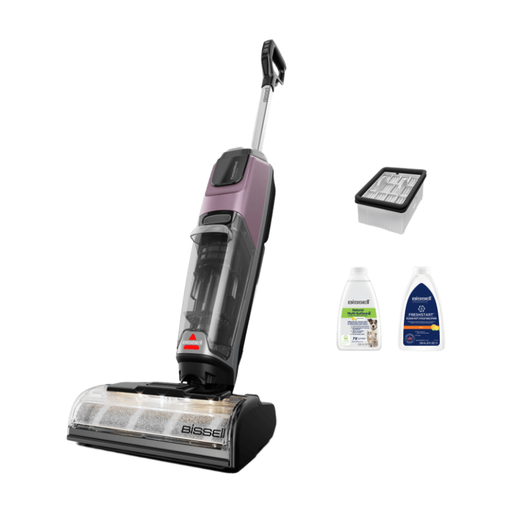 Image unavailable
Worth considering if you want to switch between wet cleaning and picking up everyday dirt on a compatible floor. The model name indicates wet and dry use; check the modes in the manual and keep a dry vacuuming option if debris is a regular issue. Remember to empty the tanks and maintain the roller.
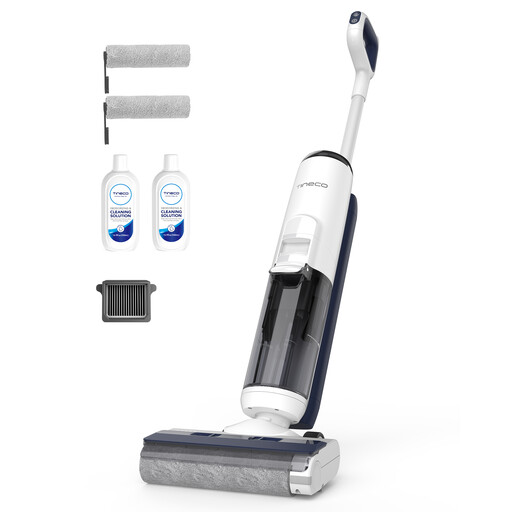 Image unavailable
A cordless option for regular wet cleaning on compatible hard floors, not for rugs or carpets. The product name states that it offers a 35-minute run time, edge cleaning and self-cleaning; check that the run time suits your cleaning sessions. Empty the dirty-water tank after use.
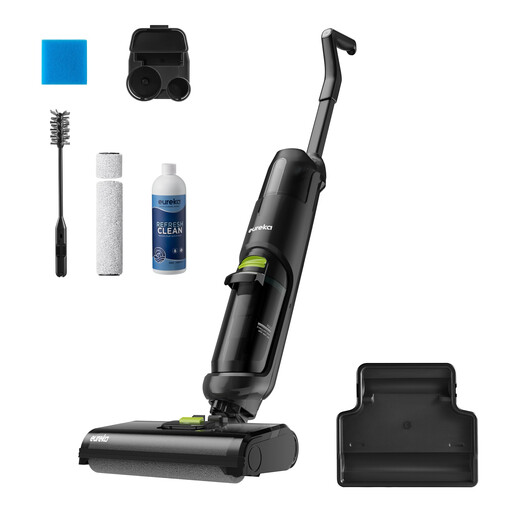 Image unavailable
Worth considering for small damp spills on sealed hard floors, after checking the finish in the manual. The product name indicates wet and dry use, as well as a self-cleaning system; you’ll still need to empty the tanks and maintain the roller. Keep a vacuum if picking up dry dust is a priority.
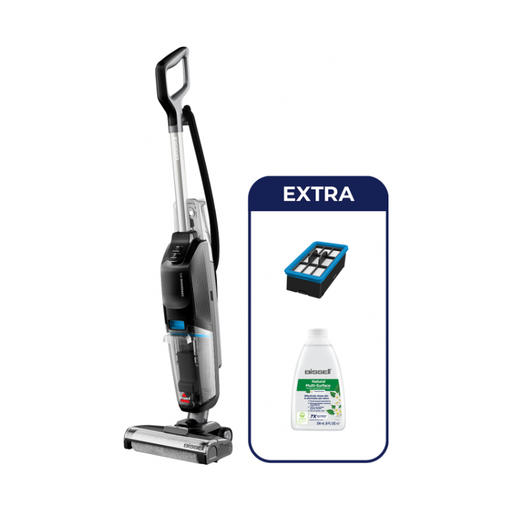 Image unavailable
Worth comparing for hard-floor care if you’re happy to clean near a power socket. This model is corded, so bear the cable in mind as you clean. Check the approved floor types in the manual and plan to rinse the tanks after use.
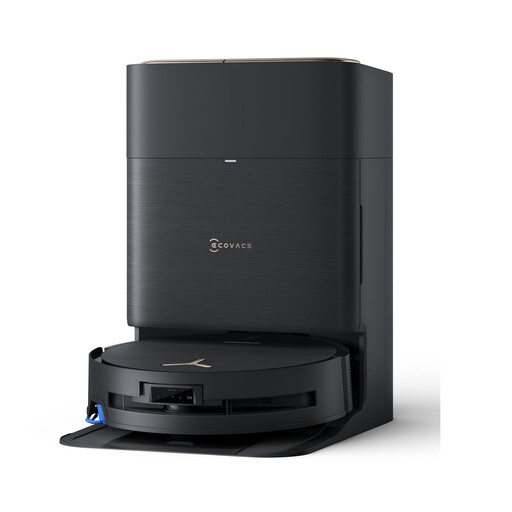 Image unavailable
Worth considering for scheduled extra cleaning, while keeping a manual option for targeted spills and marks. Its name mentions a mopping function and an Omni station; check what you’ll need to do at the station and whether the robot is compatible with your floors. These features don’t guarantee how well it will wash or vacuum in your home.
Not automatically. According to UFC-Que Choisir, roller cleaners are mainly designed for wet cleaning hard floors and may not pick up dust and debris well from dry floors. They can reduce the amount of mopping you need to do, but keep a vacuum if dry dirt is a regular issue.
It can be suitable for small damp spills and everyday cleaning on a compatible hard floor. Afterwards, empty and maintain it as instructed for your model. Don’t expect one pass to remove dried-on or ingrained stains: UFC-Que Choisir’s tests found limitations when cleaning stubborn marks.
No. A self-cleaning cycle may clean the roller or parts of the system, but you’ll still need to follow the model’s instructions for the tanks, filter and cleaning components. Check what’s involved before you buy.
Don’t assume it’s suitable just because it’s labelled for ‘hard floors’. UFC-Que Choisir’s general guide advises against using these cleaners on wooden floors, while Boulanger’s listing for the Tineco Floor One S7 Max Pro includes wooden flooring among its approved surfaces. Check your floor’s finish and care instructions, as well as the manual for the exact model, before using it.
Find out which rollers, filters and detergents are approved for the model you’re considering, then check their availability and replacement instructions. UFC-Que Choisir notes that these consumables need replacing regularly; having an accessory included with the machine doesn’t remove the need to replace it.