
Livraison le jour même ou le lendemain

Qualité garantie

Débloquez vos offres de bienvenue: Livraison GRATUITE | Jusqu'à -80 % | 30 jours d'essai gratuits à JoyPlus
Téléchargez l'application
Whether you're a professional tradesperson or an avid DIYer, your tools are a valuable investment. Yet, their transport and protection are too often overlooked. The result: an unsuitable bag that wears out prematurely, damages your equipment, and wastes your precious time. Before splurging on a new hard-bottom tool bag, it's crucial to know how to sidestep the marketing traps that lead straight to a purchase you'll regret.
Our mission at Joybuy is to give you the keys to making an informed decision. Here are the 3 most common mistakes to avoid.
multi-pocket tool bag has a lot of compartments doesn't mean it's well-designed. Poorly sized, overly deep, or unsecured pockets can turn the search for the smallest accessory (screws, connectors, etc.) into a real headache.To make the right choice, rely on objective technical criteria. A professional tool bag worthy of the name must check several boxes to guarantee durability and everyday practicality.
The number one criterion is the nature of the bottom itself. A true hard-bottom tool bag must have a moulded hard plastic base (polypropylene or similar). This shell, which extends slightly up the sides, forms a genuine waterproof barrier. It protects your tools from water, mud, and oil, and prevents sharp objects (wood chisels, screwdrivers, etc.) from piercing the bottom. It's the hallmark of rock-solid durability, which is essential on any job site.
The bag's toughness depends on its textile. Opt for technical fabrics like 600D (denier) polyester at a minimum. This rating measures the thread's density and, therefore, its strength. Also, examine the seams: they should be double-stitched or even reinforced with rivets at strategic stress points, such as the handle and tool bag with shoulder strap attachments. This detail is what prevents the bag from tearing under heavy loads.
A good bag is one that's suited to your trade. For an electrician's tool pouch, dedicated loops and pockets for screwdrivers and pliers are essential. For more versatile use, a large capacity and a wide, "doctor's bag" style opening simplify access to bulkier tools. A 40 cm tool bag offers a good compromise between capacity and portability for many tradespeople. An adjustable, padded shoulder strap is a real plus for carrying comfort.
Every artisan has different needs, and for every need, there's a solution. Here are a few models from our catalogue designed for different profiles.
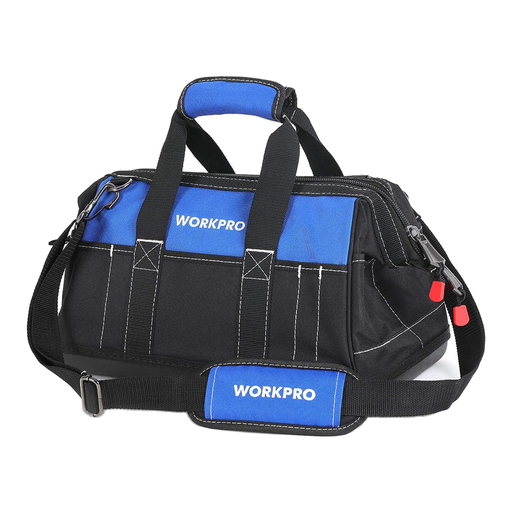
The ideal choice for: construction professionals who carry heavy and varied equipment on demanding job sites. Its robust and well-thought-out design is built for intensive daily use.
Its genuine moulded, waterproof base protects against rust and impacts, while its 600D polyester fabric and reinforced seams ensure excellent longevity.
100% waterproof hard bottom and 21 pockets (internal and external) thoughtfully arranged for top-tier organisation. Its wide opening makes accessing equipment easy.
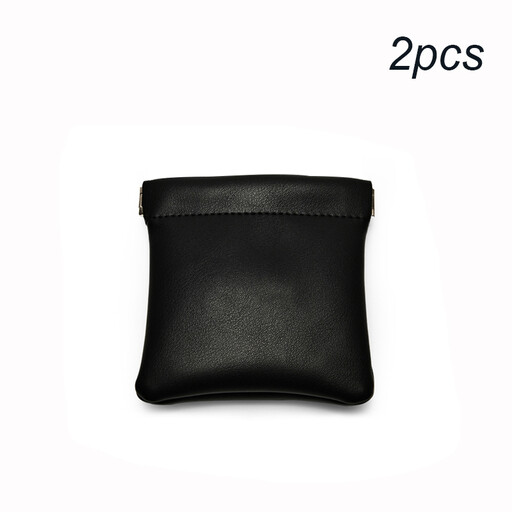
The ideal choice for: electricians or HVAC technicians who handle delicate electronic components, fuses, or specific connectors. It's the perfect complement to a main bag for isolating small, valuable parts.
Instead of letting small items get lost in a catch-all pocket, this pouch offers them dedicated protection from bumps and scratches. No more loss or breakage.
Protective PU leather material and a secure snap closure. Perfect for organising and safeguarding small, sensitive components at the bottom of a large bag.
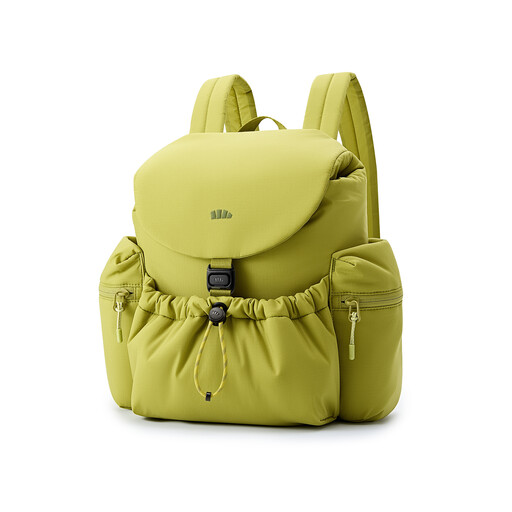
The ideal choice for: the DIYer who only carries the essentials (screwdriver, tape measure, pliers) for a small repair or assembling furniture. Its key strengths are its light weight and compact size.
This bag doesn't pretend to be something it's not. It's a simple, lightweight storage solution for occasional use, saving you from being weighed down by an oversized professional bag.
Feather-light weight and Level 4 water-repellent fabric to protect the contents from a downpour. Its internal compartments allow for storing a few essential tools.
Explore our full selection of products that meet these quality criteria and current safety standards.
A so-called "reinforced" bottom is often just a thicker layer of fabric or a flexible plastic sheet sewn inside. Its protection against wear and tear is minimal. In contrast, a moulded hard bottom is a true external hard plastic shell. It makes the bottom of the bag completely waterproof, puncture-proof, and self-standing: the bag stands upright on its own, which makes accessing your tools much easier.
Empty the bag completely and shake it out to remove dust and debris. For stains, use a soft brush with soapy water. Rinse with clean water and let it air dry completely to prevent mildew. Above all, never use a washing machine, as you could damage its structure and coatings. The hard base, however, can be cleaned with a simple wipe of a damp cloth.
A 40 cm tool bag is often an excellent compromise for an electrician. It offers a large capacity, sufficient for essential hand tools (pliers, screwdrivers, testers) and even a small cordless drill. Its size remains manageable, which is practical for jobs in tight spaces. For heavier equipment, pairing it with a more compact electrician's tool pouch for quick service calls is an excellent strategy.