
Livraison le jour même ou le lendemain

Qualité garantie

Débloquez vos offres de bienvenue: Livraison GRATUITE | Jusqu'à -80 % | 30 jours d'essai gratuits à JoyPlus
Téléchargez l'application
A wrinkled shirt just before a crucial meeting? A crumpled dress straight out of your suitcase? We've all felt that little surge of stress. The handheld garment steamer emerges as the ultimate quick and convenient solution. But be warned: not all models are created equal, and it's easy to fall for marketing promises that quickly fall flat. To ensure you don't regret your purchase, here are the deal-breaking flaws to look out for.
The three hidden pitfalls that can make a steamer completely useless:
To make the right choice, ignore the marketing jargon and focus on objective data. Here are the three non-negotiable points to scrutinise.
Expressed in watts (W), power determines the heat-up speed and the device's ability to generate dense, continuous steam. For quick and effective steaming, especially on thick fabrics like cotton or linen, aim for at least 1,500?W. This ensures enough pressure for the steam to penetrate deep into the fibres and tackle stubborn wrinkles. A high steam output (measured in g/min) is the other key indicator of a truly effective wrinkle-free result.
A handheld garment steamer must, above all, be practical. Its water tank capacity (in millilitres, ml) directly determines its runtime.
A good portable steamer should work both vertically and horizontally without any leaks. This versatility is essential for easily tackling shirt collars or tablecloths. Check the spec sheet for anti-leak technology or a heated plate that helps turn the last few droplets into steam. Weight and grip are also points not to be overlooked, especially if you plan on steaming several garments in one go.
Instead of searching for a one-size-fits-all model that doesn't exist, it's better to choose a device tailored to your lifestyle.
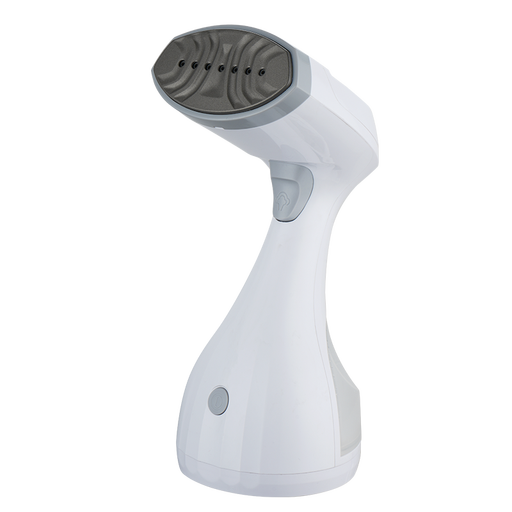
Why it's a match for this profile: Perfect for those who want a single device for home, the office, and travel. Its power and capacity make it a reliable daily ally, without the hassle of an ironing board.
Its 1,500 W of power ensures a strong, consistent steam output. The 300 ml tank provides a comfortable 10 to 15 minutes of runtime, saving you trips to the tap. Its anti-leak design allows for both vertical and horizontal use.
Ready in 30 seconds flat for almost instant use. It comes with a fabric brush, which is very handy for coats and upholstery.
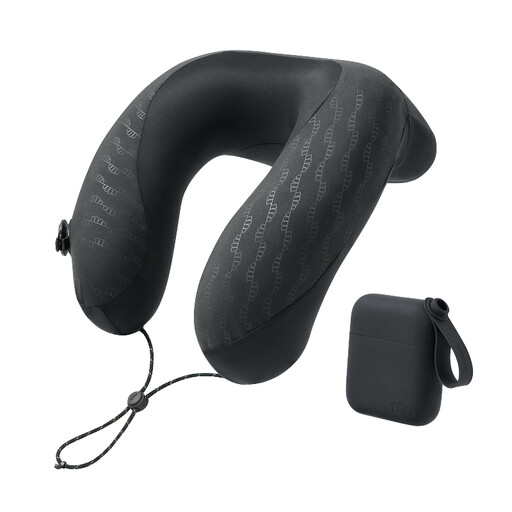
Why it's a match for this profile: Today's traveller prioritises compact, lightweight, and smart accessories. This pillow, which inflates with a simple press, embodies this quest for efficiency. In the same vein, a reliable travel steamer is the essential companion for looking sharp right off the plane.
This profile avoids bulky and unreliable gadgets like the plague. This pillow folds down into an ultra-compact size—exactly what you'd expect from a good garment steamer—without sacrificing performance or comfort.
Inflates quickly without needing to be blown up and features an ergonomic design. Its durable, breathable fabric is designed for intensive travel use.
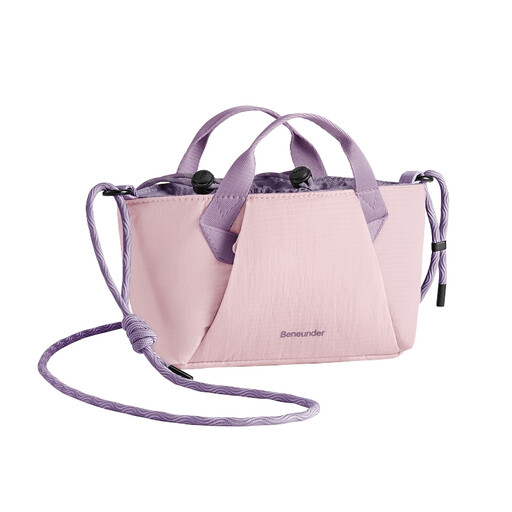
Why it's a match for this profile: The active urbanite juggles a busy schedule and needs accessories that combine style, lightness, and functionality. This ultra-light, expandable bag perfectly meets this need for agility. Similarly, a portable steamer is the ideal tool for refreshing an outfit between the office and an after-work event.
This profile rejects anything heavy and cumbersome. This bag weighs less than 100g. In the same way, their choice of steamer would be a lightweight yet powerful model that doesn't sacrifice power for portability.
Expandable capacity from 1.2L to 3.6L and a water- and stain-resistant fabric. The perfect solution for carrying essentials without being weighed down.
We have compiled a complete and up-to-date selection of products that meet our strict selection criteria and current safety standards.
Most common fabrics (cotton, linen, wool, synthetics like polyester or nylon) handle steam very well. For more delicate materials like silk, velvet, or satin, it's advisable to keep the device 10-15 cm away and avoid lingering on the same spot. When in doubt, the best practice is to always check the garment's care label.
An iron uses direct contact from a hot soleplate and pressure to smooth out wrinkles, which requires an ironing board. A steamer, on the other hand, projects a jet of hot steam that relaxes the fabric's fibres, right on the hanger. It is therefore generally faster for touch-ups, gentler on delicate textiles, and perfect for refreshing and deodorising a garment between washes.
With a high-performance device (around 1,500 W), steaming a cotton shirt takes an average of 2 to 4 minutes. You also need to factor in the heat-up time, with the fastest models being ready to use in under 45 seconds.