
Livraison le jour même ou le lendemain

Qualité garantie

Débloquez vos offres de bienvenue: Livraison GRATUITE | Jusqu'à -80 % | 30 jours d'essai gratuits à JoyPlus
Téléchargez l'application
The promise of a life free from the ironing board: flawless garments in minutes, whether at home or on the go. Yet, the market is flooded with models that make appealing claims but often disappoint in practice. A leaky device, weak steam, or a breakdown after just a few months—unpleasant surprises are all too common.
To avoid buyer's remorse, you need to know how to spot marketing traps and design flaws that can turn a good deal into a hassle. Here are the crucial points to check to ensure you invest in a device that truly delivers on its promises.
To choose a handheld garment steamer that is both powerful and long-lasting, rely on objective technical specifications, not advertising slogans.
This is the amount of steam the device generates each minute. This figure directly determines its ability to relax fabric fibres and eliminate wrinkles.
Water management is a critical point. A portable steamer must be practical and clean to use.
Power, measured in watts (W), primarily affects how quickly water turns into steam. A good handheld steamer typically falls between 1200 and 1600W, allowing for a fast heat-up time (30-45 seconds) without sacrificing steam quality. A model under 1000W will inevitably be slower and should be reserved for occasional use.
Here are a few models that stand out for their design and performance, each tailored to a specific need.
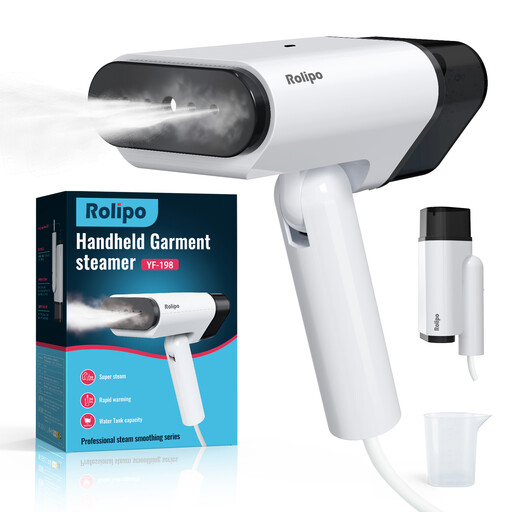
Why this model stands out: Designed for those on the go, its main advantage is its foldable design, allowing it to slip into any suitcase, even a carry-on. It was engineered for travel without sacrificing essential performance.
It tackles the problem of bulky devices and travel leaks head-on. Its integrated tank is designed to prevent water sputtering, even when handled roughly.
Foldable and ultra-compact design: Its format makes it indispensable for maintaining a sharp look during business trips or holidays.
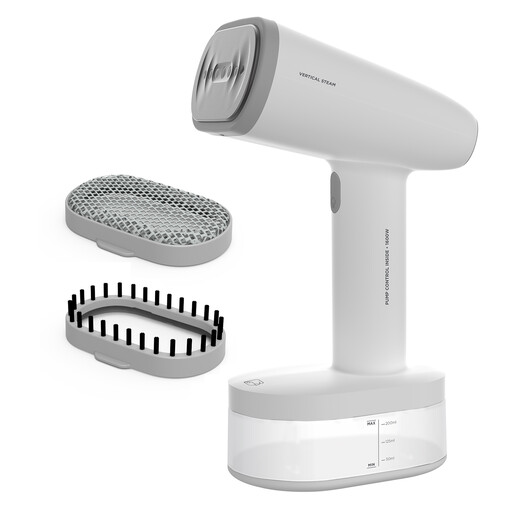
Why this model stands out: For those who steam multiple garments daily, this model strikes the perfect balance between power, runtime, and useful features. It positions itself as a credible alternative to an iron for everyday garment care.
It doesn't just list 1600W on the label. It backs up this power with a steam output of 25 g/min, a concrete figure that ensures real effectiveness on most fabrics. This avoids the "power without performance" trap.
High steam output (25 g/min) for formidable efficiency. Self-cleaning function to maintain performance and extend its lifespan.
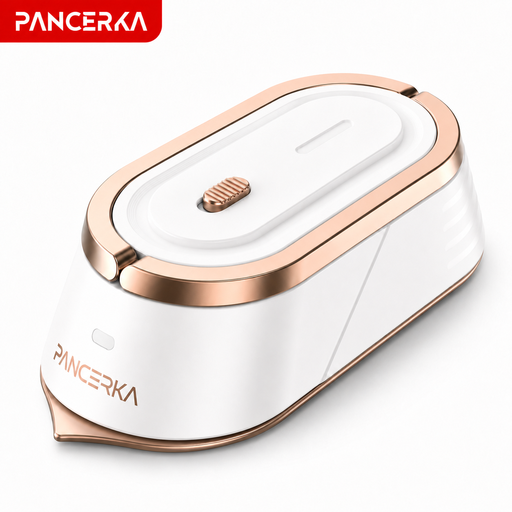
Why this model stands out: This is the smart, budget-friendly solution for occasional needs or for those seeking an ultra-compact secondary device, perfect for smoothing out a nasty wrinkle on a shirt just before a meeting.
Its modest 400W power is stated upfront, which sets clear expectations. It doesn't promise miracles on thick fabrics but delivers targeted efficiency for touch-ups, preventing the disappointment of an unkept promise.
Compact and simple: Its minimalist design and ultra-simple operation make it the perfect tool that's easy to store and pull out for specific, non-intensive use.
We have curated a complete, up-to-date selection of products that meet our strict selection criteria and current safety standards.
A steamer's lifespan depends on its build quality and, most importantly, its maintenance. To make it last as long as possible, use distilled or demineralized water, especially in areas with hard water. Also, remember to empty the tank after each use and perform regular descaling if recommended in the manual.
Most steamers can be used on a wide variety of textiles, including delicate ones like silk, satin, or wool, which are sensitive to the direct heat of an iron. As a precaution, it's always wise to test on a hidden area of the garment. Just avoid direct contact with velvet or plastic-coated materials like certain prints.
It all depends on your expectations. For daily use, refreshing an outfit, and smoothing out common wrinkles, a steamer is often faster and more convenient. It's also perfect for complex items (with ruffles or pleats) and home textiles. However, for achieving impeccable, sharp creases, like on a shirt collar or suit trousers, a traditional iron still has the edge.