
Livraison le jour même ou le lendemain

Qualité garantie

Débloquez vos offres de bienvenue: Livraison GRATUITE | Jusqu'à -80 % | 30 jours d'essai gratuits à JoyPlus
Téléchargez l'application
Launching your favourite AAA titles from your Steam or Xbox Game Pass library, anywhere, anytime? This is no longer science fiction. The handheld console market is booming, with machines that now go toe-to-toe with traditional gaming PCs. But with an increasingly crowded market, led by players like the ASUS ROG Ally and the Lenovo Legion Go, it's hard to sort through the options.
This guide is here to shed some light. We'll break down the key criteria and give you the tools to choose the handheld gaming console that perfectly suits your habits and your game library.
Before comparing models, let's review the selection criteria that will truly make a difference. These points will help you see more clearly and define your priorities for a successful on-the-go gaming experience.
For a PC gamer, this is arguably the heart of the matter. A handheld console running Windows 11 offers unmatched versatility. It allows you to natively install the launchers you already use: Steam, Epic Games Store, GOG, and PC Game Pass. This guarantees you can access your entire game library effortlessly. Models like the ASUS ROG Ally and the Lenovo Legion Go run on this ecosystem, transforming them into true pocket-sized gaming PCs.
To enjoy recent games without compromise, the spec sheet is your best friend. Here are the components to keep a close eye on:
A handheld gaming console is a device you'll hold for hours on end. Its weight, the layout of the controls, and the quality of the joysticks and triggers are therefore essential points. The presence of Hall effect joysticks, for example, prevents the infamous "drift" issue that can appear over time.
Battery life is often the Achilles' heel of these machines. On a demanding AAA game, don't expect more than 1.5 to 2.5 hours of gameplay. For less demanding indie titles or streaming, the battery can last for several hours.
Keeping these criteria in mind, here are the models that particularly caught our attention.
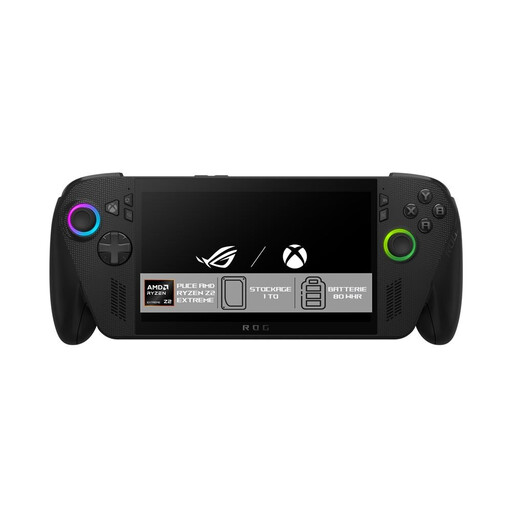
Why it stands out: This X version of the ROG Ally is for gamers who want to make absolutely zero compromises. With its 24?GB of RAM and an 80?Wh battery, it's designed for peak performance and enhanced battery life.
Pros:
Who is it for? For the passionate gamer seeking the pinnacle of portable performance. If you want to play the latest AAA titles at the highest settings on the go and budget isn't your primary concern, the ROG Ally X is a top-tier option.
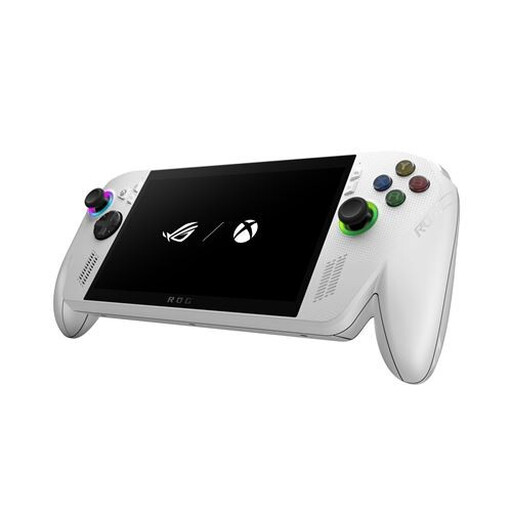
Why it stands out: This is the model that truly popularised the concept of a high-performance handheld PC console. It offers an excellent balance of power, ergonomics, and price, making it a great entry point into the world of portable PC gaming.
Pros:
Who is it for? For gamers looking for a more powerful, Windows-based alternative to the Steam Deck. It's a highly versatile choice, ideal for those who want simple access to their PC and Xbox library in a powerful and well-designed portable format.
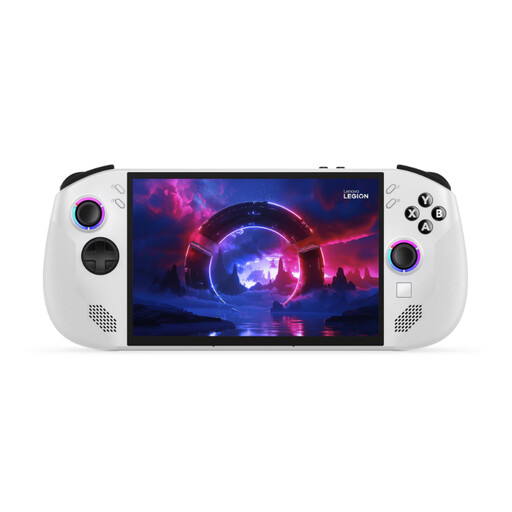
Why it stands out: The Lenovo Legion Go S stands out with its large 8-inch screen, delivering unparalleled visual immersion. Its design emphasizes versatility and display quality.
Pros:
Who is it for? For gamers for whom screen size and quality are top priorities. If you find 7-inch screens a bit small and want a more comfortable visual experience, especially for strategy games or RPGs, the Legion Go S is a very serious contender.
The handheld console market is evolving at lightning speed, and new models are being announced all the time. If our selection hasn't convinced you or if you're simply curious to see what else is out there, many other possibilities await.
Discover all our handheld consoles
For maximum compatibility with your PC game libraries (Steam, Epic Games, GOG, etc.), consoles running Windows 11 are the ideal solution. Models like the ASUS ROG Ally series and the Lenovo Legion Go allow you to install these platforms directly, just like on your desktop computer.
Yes, for its versatility, it's an excellent choice. The main advantage is access to a virtually infinite catalogue of games. The flip side is that the Windows interface isn't always designed for controller navigation, which requires a short adjustment period compared to a custom-built OS like the one on the Steam Deck.
Battery life varies enormously depending on usage. For a recent AAA game with high graphics settings, you have to be realistic: expect between 1.5 and 2.5 hours of gameplay. However, for less demanding 2D games, video streaming, or browsing, the battery life can extend to 5 to 8 hours, depending on the model and brightness/performance settings.