
Livraison le jour même ou le lendemain

Qualité garantie

Débloquez vos offres de bienvenue: Livraison GRATUITE | Jusqu'à -80 % | 30 jours d'essai gratuits à JoyPlus
Téléchargez l'application
A hand and skin disinfectant should be chosen based on more than its fragrance, price or claims on the label. Hand sanitising gel, 70% disinfectant alcohol, antiseptic solution and 10-volume hydrogen peroxide all have different uses and precautions.
To avoid mistakes, first check where the product can be applied, its alcohol concentration, the size of the bottle and any safety warnings. Here are the main points to consider before buying hand sanitising gel or a skin antiseptic.
Hand sanitising gel is generally designed for intact hands, particularly when there’s no water and soap nearby. Don’t apply it automatically to a cut, irritation or damaged skin.
Other products are formulated for the skin or minor wounds. Always check the area of use stated on the packaging. Hydrogen peroxide intended for skin hygiene should not be confused with products formulated for hair, such as some 10-volume hydrogen peroxide solutions.
A high ethanol concentration alone doesn’t tell you whether a product is right for your needs. Check the following information too:
A no-rinse disinfectant should be spread over all surfaces of the hands, including between the fingers and around the nails, then rubbed in until completely dry.
A 75 ml hand sanitising gel fits easily into a bag or washbag. A 250 ml bottle is better suited to a desk, hallway or family use. Taking a large bottle with you when travelling increases the risk of leaks and is rarely practical. On the other hand, buying lots of smaller bottles can push up the price per millilitre.
Start by identifying exactly what you need the product for:
Follow the instruction ‘do not use on broken or irritated skin’, even if the product is described as gentle or moisturising.
Ethanol is commonly used in biocidal products intended for human hygiene. The products in this selection come in different concentrations, for example 61%, 72.2% or 48.7% by weight, depending on the product.
These figures can’t be compared in isolation: the formulation, contact time and stated use also matter. For 70% disinfectant alcohol, check the exact concentration on the bottle as well as the instructions for use. For a chlorhexidine-based solution, also check where it can be applied and any restrictions.
The right size mainly depends on your routine:
The scent, texture and ingredients such as glycerine can also affect how comfortable a product is to use. A pleasant feel doesn’t mean you can ignore the recommended rubbing time.
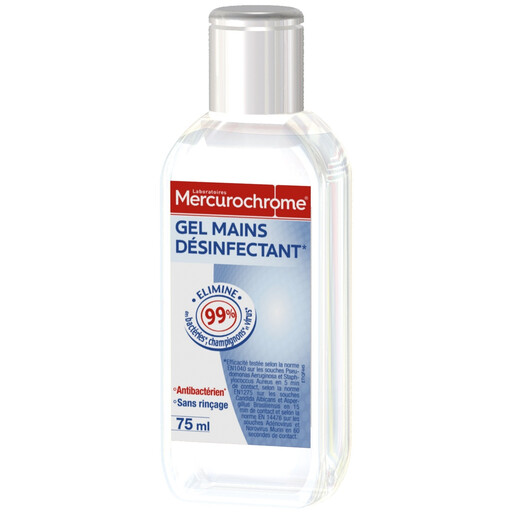
Why it’s a good fit: The 75 ml size is ideal as a first purchase and slips easily into a bag or travel washbag. It’s formulated for hands and can be used without rinsing.
The label specifies that this is an external-use product for hands, which doesn’t need rinsing and should be kept away from the eyes and irritated skin.
75 ml size ; stated ethanol content of 61% by weight ; non-sticky texture according to the product description.
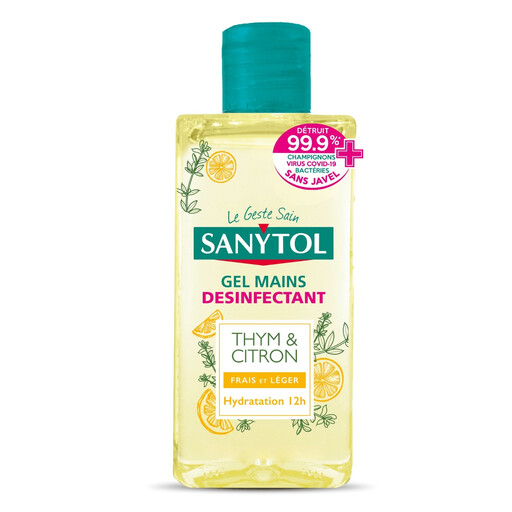
Why it’s a good fit: This product is for anyone who values texture, fragrance and how a product feels on the skin, without giving up a size that’s easy to take with you.
The description clearly states that the product is for hands and advises against applying it to irritated or damaged skin, helping you avoid using it incorrectly.
75 ml size ; stated ethanol content of 72% ; thyme and lemon fragrance ; apply without rinsing, rubbing until completely dry.
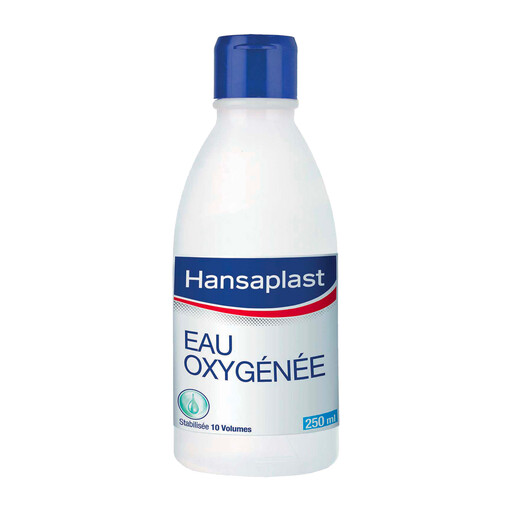
Why it’s a good fit: At 250 ml, this bottle is easy to store in a medicine cabinet and is suitable for regular use at home when you need an alternative to hand sanitising gel.
The product information mentions skin cleansing and hygiene, as well as minor superficial wounds. This product shouldn’t be used in place of hand gel.
10-volume hydrogen peroxide ; 250 ml bottle ; product information states it’s for skin hygiene and minor superficial wounds. Avoid contact with eyes.
We’ve put together a complete selection, updated in real time, of products that meet these exacting criteria and European safety requirements.
To use hand sanitising gel, apply the stated amount to dry hands. Rub your palms, the backs of your hands, between your fingers, your thumbs and your fingertips. Don’t rinse the product off if the label says it’s suitable for use without rinsing.
Products containing ethanol are flammable. Keep them away from flames, sparks and all sources of heat. Keep bottles out of the reach of children and avoid contact with eyes. If irritation occurs, stop using the product immediately and consult the instructions.
The 75 ml size is ideal for commuting and travelling. The 250 ml size is better suited to home or the office, especially if several people will be using it. Remember to compare the price per millilitre and the shelf life after opening stated on the packaging.
As a general rule, hand sanitising gel is intended for intact hands. Don’t apply it to a wound, irritation or damaged skin unless the label explicitly says you can. For a minor wound, choose only an antiseptic solution that’s clearly labelled as suitable for use on skin.
No. If your hands are visibly dirty or greasy, washing them with soap and water is still essential. Hand sanitising gel is mainly a convenient option between washes, when used as directed by the manufacturer.