Guests with a specific food allergy
Your choice depends on which allergen needs to be avoided and whether traces also need to be excluded. Check the exact product you’re serving, even if the recipe looks simple or it’s labelled ‘plain’.


For a Halloween party, choose crisps based on the allergen each guest needs to avoid, not the brand or simply whether they’re labelled ‘plain’. Check the ingredients and any ‘may contain’ warnings on the exact packet you’re buying. A ‘gluten-free’ claim doesn’t cover other allergies. Plain crisps can still carry a ‘may contain’ warning, while some flavoured varieties contain wheat or milk.
Your choice depends on which allergen needs to be avoided and whether traces also need to be excluded. Check the exact product you’re serving, even if the recipe looks simple or it’s labelled ‘plain’.
Look for an explicit ‘gluten-free’ claim on the packet, then check separately for any other allergens that need to be avoided. Carrefour describes its Tortillas Nature Sensation as gluten-free, while warning that they may contain traces of soya.
Set out separate bowls, labelled with the product name, and keep the packaging nearby. An option checked for one guest won’t necessarily be suitable for everyone else.
First, ask which ingredients need to be avoided. Then choose each packet based on its ingredients, any ‘may contain’ warnings and how you plan to serve the crisps.
| What to consider | What to check | Who it’s for |
|---|---|---|
| Allergens and traces | Compare the allergen to be avoided with the ingredients and any ‘may contain’ warning on the packet. | If traces also need to be avoided, a ‘plain’ recipe isn’t enough to make a decision. Around 36% of consumers prioritise checking for allergens and traces. |
| ‘Gluten-free’ claim | Look for this information on the packaging rather than assuming it from the main ingredient. | When choosing crisps for someone who needs to avoid gluten, I look for an explicit claim rather than assuming a recipe is suitable. This is the top priority for around 29% of consumers. |
| Other specific dietary requirements | Check the ingredients and any ‘may contain’ warnings separately for milk, peanuts or soya. | A ‘gluten-free’ or ‘plain’ claim doesn’t meet my needs if I mainly need to avoid milk, peanuts or soya. This specific check comes first for around 21% of consumers. |
| Serving the buffet | Label each bowl with the product name and keep its packet nearby. | When several guests have different dietary needs, I want to be able to identify what’s in each bowl without mixing up the recipes. Organising the buffet is the top priority for around 14% of consumers. |
Vico says its L’Extra Craquante crisps may contain milk and peanuts. Carrefour warns that its Chips Nature Classic’ may contain traces of gluten, milk, mustard and celery.
Compare the ingredients and ‘may contain’ warnings on the packet you’re buying with the specific allergen that needs to be avoided.
Carrefour describes its Tortillas Nature Sensation as gluten-free, but says they may contain traces of soya.
Use the ‘gluten-free’ claim to check for gluten, then check separately for any other ingredients that need to be avoided.
Pringles lists wheat flour, whey and milk proteins among the ingredients in Hot & Spicy, and also says it may contain soya.
Check each flavour and product individually before adding it to the buffet.
Pringles says its recipes may change, so checking a product page in advance is no substitute for reading the packaging of the product you’re serving.
Check the packet again when you buy it and keep it handy during the party.
These examples show why you need to check each product individually, rather than making assumptions about an entire brand.
Worth checking for plain potato crisps or lentil crisps, depending on the allergen in question.
Lay's Nature is worth checking if you want to start with an unflavoured recipe.
Flavoured varieties need careful checking if your guests have dietary restrictions.
The information varies between the retailer’s crisp and tortilla products.
These cassava, banana, sweet potato and vegetable crisps offer a range of options for your buffet. If you need to avoid a particular ingredient, check the ingredients, any ‘may contain’ warnings and, where necessary, the ‘gluten-free’ claim on each packet you buy.
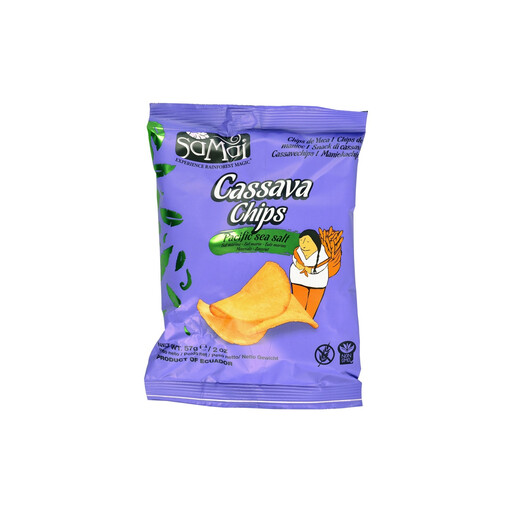 Image unavailable
A cassava crisp option for your buffet. If you need to avoid gluten or a specific allergen, check the relevant information and any ‘may contain’ warnings on the packet.
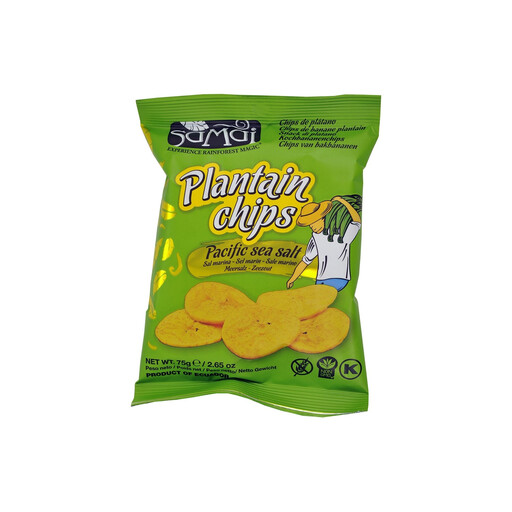 Image unavailable
A banana variety to serve in a separate bowl from the potato crisps. Check the packet for allergens, any ‘may contain’ warnings and any ‘gluten-free’ information your guests need.
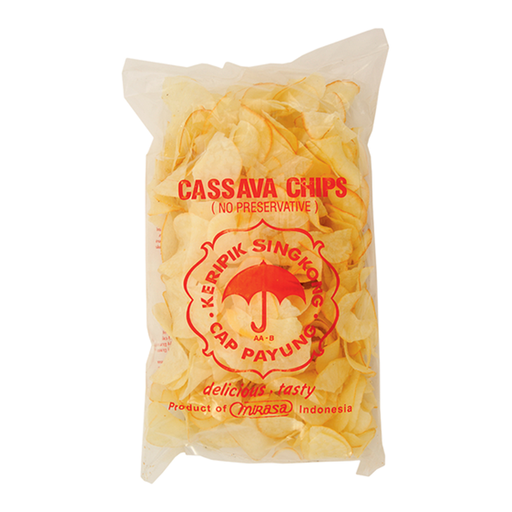 Image unavailable
A larger pack of cassava crisps to consider for a sharing bowl. Before serving them to someone avoiding an allergen or gluten, check the information on the exact packet.
 Image unavailable
A sweet potato variety to add more choice to your buffet. Don’t assume it’s suitable for someone with an allergy just because of its main ingredient: check the ingredients and any ‘may contain’ warnings on the packaging.
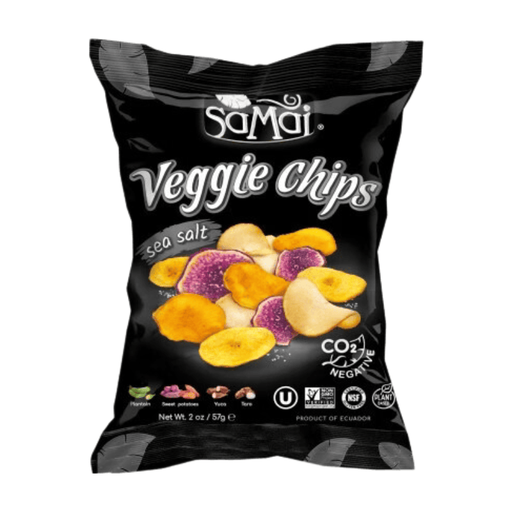 Image unavailable
A vegetable crisp option to label separately on the buffet. The word ‘vegetable’ alone doesn’t tell you whether it contains allergens or gluten, so check the packet against your guests’ needs.
No. This claim relates to gluten, not all allergens. Carrefour describes its Tortillas Nature Sensation as gluten-free while warning that they may contain traces of soya. Check the packet separately for any other ingredients that need to be avoided.
No. Vico says its L’Extra Craquante may contain milk and peanuts, while Carrefour warns that its Chips Nature Classic’ may contain traces of several ingredients. Choose based on the allergen in question and the information on the packet you buy.
Use it to shortlist products, then check the packaging again before serving the crisps. Pringles says its recipes may be changed.
Serve each product in a separate bowl, label it with the exact product name and keep the packet nearby. That way, guests can check the ingredients and any ‘may contain’ warnings for the product being served.