What should you check before choosing?
First, choose the packaging to suit how you plan to enjoy the chocolate: as a bar, as individually wrapped portions to hand out, or as a sharing bar. Then check the ingredients of the product you’ve chosen, especially if you’re serving it to other people.
| What matters |
What to check |
Who is it for? |
| Individual portion |
The bar’s weight and whether it comes in individual packaging. |
If I want a chocolate break without opening a whole sharing bar, I look for a pre-portioned option. Around 31% of consumers prioritise having an individual portion. |
| Sharing with a group |
The number of pieces and whether they’re individually wrapped; a box of mini chocolates and a multipack of bars may not be equally easy to hand out. |
For a Halloween party, I want to be able to offer each person their own treat. Around 38% of consumers put this need first. |
| Ingredients and allergens |
Sugars per 100 g, allergens listed in the ingredients and any ‘may contain’ statements. |
If I need to choose a recipe based on the ingredients in the chocolates I’m serving, the format alone isn’t enough to decide. Around 31% of consumers prioritise checking the ingredients first. |
When comparing products of different weights, the nutritional information per 100 g gives you a consistent basis for comparison. The French Directorate-General for Competition Policy, Consumer Affairs and Fraud Control (DGCCRF) explains that it is compulsory for prepacked foods in most cases. Where it appears on the packaging, Nutri-Score is optional supplementary information: it doesn’t replace the nutrition table or ingredients list.
Milk chocolate formats on Joybuy
These products include multipacks of bars, sweets in tubes and sharing bars. For handing out treats at Halloween, check how many individual pieces there are and how many are actually wrapped separately. For a solo chocolate break, compare the weight of each bar, too.
 Image unavailable
Milka Alpine Milk, 3 × 100 g bars
This multipack is a good option if you’d like several bars for separate chocolate breaks. Each bar weighs 100 g, so check whether that size suits the portions you plan to serve. Also check the label for milk, hazelnuts, soya and any ‘may contain traces’ statements.
View on Joybuy
 Image unavailable
Toblerone Milk, 3 × 50 g bars
The three bars are worth considering for several chocolate breaks or for sharing. If you’re planning to hand them out individually at Halloween, check that each one has its own wrapper. Also check the label for allergens, including milk, almonds, soya and egg.
View on Joybuy
 Image unavailable
Smarties Hexatube, 6 × 34 g
The six tubes are another way to plan treats to share at a party. These are milk chocolate sweets with a sugar coating, not bars or mini chocolates. Read the nutritional information and check the allergens on the packaging before serving.
View on Joybuy
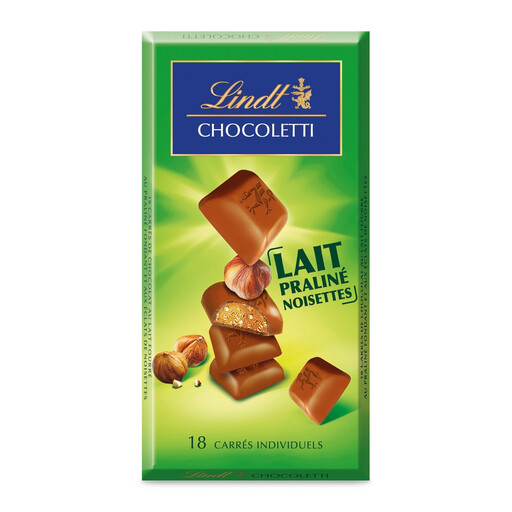 Image unavailable
Lindt Chocoletti praline, 100 g
This 100 g bar is suited to breaking into pieces to share. It isn’t a multipack of small bars wrapped separately for handing out. Before sharing, check the label for ingredients and allergens, including nuts, milk, soya and barley.
View on Joybuy
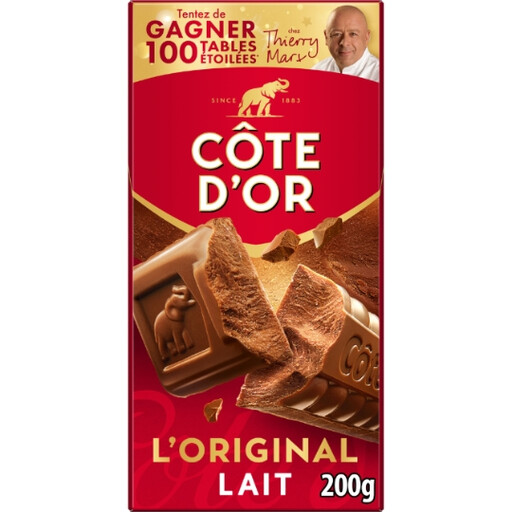 Image unavailable
Côte d’Or Classic milk chocolate, 200 g
This 200 g bar is ideal for sharing once you’ve broken it into pieces. If you want to give guests individual treats, plan to portion it yourself rather than relying on ready-wrapped pieces. Check the nutrition information per 100 g, as well as the ingredients and allergen statements.
View on Joybuy
Frequently asked questions
Is Nutri-Score compulsory on a milk chocolate bar in France?
No. The DGCCRF explains that Nutri-Score is optional, while a nutrition declaration is compulsory for prepacked foods in most cases. Even if there’s no logo, compare the nutritional values and read the product’s ingredients.
Does the ‘soda tax’ apply to a milk chocolate bar?
The levies on non-alcoholic drinks mentioned by the French Ministry of the Economy apply to drinks, not to choosing a solid chocolate bar. To compare milk chocolates, look instead at the ‘of which sugars’ line in the nutrition information per 100 g.
What should you check before handing out chocolates at Halloween?
Check how many portions are actually separated, then check the allergens for each product. Products described by Carrefour show that ingredients can include milk, soya, hazelnuts or barley, depending on the recipe. Also read any ‘may contain’ statements on the packaging you choose.
How should you store chocolate before the party?
First, follow the storage instructions and check the date on the packaging. Joybuy’s listing for a Milka bar recommends keeping it in a cool, dry place, away from heat. Check the instructions for the specific product you’ve bought.


