If you’re handing out chocolate bars at Halloween and want to keep an eye on calories, compare the energy per 100 g, then check the figures for the individual bar you’ll be serving. Mini bars make it easier to hand out a smaller portion, but that doesn’t mean the recipe is lower in calories. Check the sugars, saturated fat and allergens for each product, too.
Who are these choices for?
Hosts who want to manage portions
If you’re preparing treats for several guests, individually wrapped bars can be easier to hand out one at a time. A selection of mini bars may be worth considering, but don’t assume that every recipe contains fewer calories.
Shoppers keeping an eye on calories per serving
To compare what you’ll actually serve, check the energy per 100 g, then look at the weight and calories of the chosen bar. Also check the sugars and saturated fat listed in the nutritional information.
Hosts who need to consider allergens
If some guests need to avoid specific ingredients, check the ingredients list and allergen information for each recipe. The name of a selection alone won’t tell you what’s in every bar it contains.
What should you check before choosing?
For a Halloween party, start with the portion you plan to hand out, then compare recipes on a like-for-like basis. The DGCCRF notes that prepacked foods must carry a nutrition declaration; the weight of each bar lets you work out the figures for the amount you’ll serve.
| Consideration |
What to check |
Who it matters to |
| Calories and nutritional content |
Compare the kcal per 100 g, then per bar served. Check the sugars and saturated fat, too. |
If I want to know how much energy is in the bar I’m handing out, its size alone isn’t enough to help me choose. Around 31% of consumers put this nutritional comparison first. |
| Portions to hand out |
Check the number of bars and their weight; decide whether to give one to each guest or put a selection out for everyone. |
When serving several guests, I look for bars I can organise into portions. Around 31% of consumers put portioning first. |
| Allergens |
Read the ingredients and allergen information for each recipe, especially in a selection pack. |
If guests need to avoid certain ingredients, I need to be able to identify which bar I’m offering them. Around 23% of consumers put checking allergens first. |
| Packaging |
Choose between individual bars and a selection pack based on the number of guests; check the recipes and quantities listed on the pack. |
If I’m preparing treats for a group, I want packaging that suits the way I plan to serve them. Around 15% of consumers put this first. |
Common misconceptions to avoid
-
Assuming a mini bar is lower in calories
“Mini” describes the size of the bar, not its energy per 100 g. The amount you consume also depends on how many mini bars you have.
Compare the kcal per 100 g and per bar served, then decide how many bars you want to offer each person.
-
Thinking Nutri-Score is compulsory or tells you everything you need to know
According to Santé publique France, displaying it is voluntary. Whether it appears on the pack or not, you should still check the nutritional information for the specific product.
If it’s shown on the pack, consider it alongside the nutritional information, particularly the energy and sugars, rather than making your decision based on the logo alone.
-
Applying the “soda tax” to chocolate bars
The levy described by the French Ministry of the Economy applies to sugary drinks. It can’t be used to compare the calories in chocolate bars.
For chocolate bars, base your comparison on the nutrition label and the portion you’ll actually serve.
-
Handing out a selection pack without distinguishing between its recipes
A selection pack contains different bars, which may have different ingredients and allergens. Checking only the outer packaging without identifying the bar you’re handing out could leave a guest unsure about whether it’s suitable for them.
Keep the packaging information to hand and check the recipe of each bar before offering it to someone who needs to avoid an allergen.
Brands and retailers to consider
These products are examples of formats to compare, not a nutritional ranking. Carrefour lists individual Twix and Snickers bars, as well as a mini bar selection; E.Leclerc stocks P'TIT DELI mini bars.
Mars
Mars mini bars are included in a multi-brand selection sold by Carrefour.
- The mini format may suit handing out bars individually, if they’re wrapped separately.
- With a mix of recipes, you’ll need to compare the nutritional information and check the allergens for each bar.
Snickers
Carrefour lists a 50 g Snickers peanut and caramel bar.
- The weight of this individual bar makes it easy to identify the portion you’re offering.
- As it contains peanuts, check whether it’s suitable for the guests concerned. Its weight alone doesn’t tell you how many calories it contains.
Twix
Carrefour lists a 50 g Twix biscuit, chocolate and caramel bar.
- This individual bar makes it easy to plan to serve one whole bar per person.
- To compare it with a mini bar, check the kcal per bar and per 100 g, as well as the ingredients of the variant you’re buying.
KitKat
One product listed by Auchan has two sections that can be snapped apart.
- Splitting the bar can help you decide how much you want to serve.
- Splitting the bar doesn’t mean it contains fewer calories for the same amount. Check the portion weight and the label.
Carrefour
This retailer lists, among other products, 50 g Twix and Snickers bars and a selection of mini bars.
- These pack formats offer a useful comparison between serving individual bars and offering a selection.
- Compare the information for each product: the packaging alone won’t tell you the calories per portion or all the allergens.
E.Leclerc
This retailer lists a 200 g pack of 16 P'TIT DELI mini chocolate bars.
- The number of bars and the pack weight can help you plan treats for a group.
- To check the calories per mini bar, look at the nutritional information and the weight of each bar shown on the pack.
A chocolate option on Joybuy
This selection features a fruit bar with dark chocolate, which may be worth considering if you’re open to something different from a classic chocolate bar. Before deciding on a portion to serve at your party, check its nutritional information and allergens.
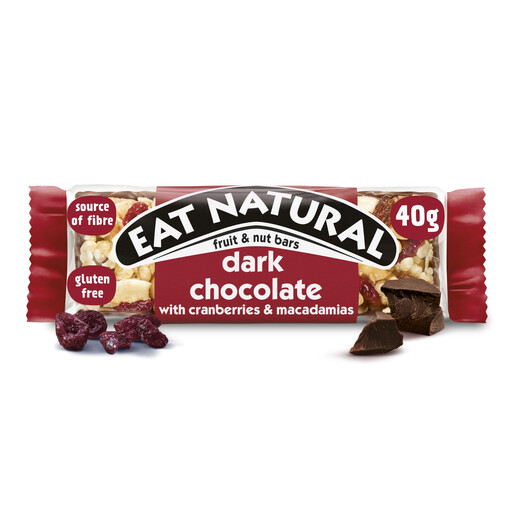 Image unavailable
Eat Natural Cranberry Dark Chocolate Bar 40 g
This 40 g bar may be a good option if a cranberry and dark chocolate recipe suits your selection better than a classic chocolate bar. Check the kcal per bar, sugars and allergens on the packaging before offering it to guests.
View on Joybuy
Frequently asked questions
Is Nutri-Score compulsory on chocolate bars in France?
No. Santé publique France says producers display it voluntarily. When comparing prepacked bars, also check their nutrition declaration, which the DGCCRF says is compulsory for these foods. The absence of a Nutri-Score alone isn’t enough to judge a recipe.
Does the “soda tax” apply to chocolate bars?
No. The levy described by the French Ministry of the Economy applies to sugary drinks, not chocolate bars. When choosing treats for your party, compare the bars’ nutritional information and the amount you plan to serve.
How do you compare a mini bar with a standard-sized bar?
First compare the kcal per 100 g to assess the recipes on the same basis, then check the kcal in the bar you plan to hand out. The number of mini bars you have matters, too: a smaller bar doesn’t automatically mean you’ll consume fewer calories.
What should you check before serving a selection to guests with allergies?
Identify each recipe and read its ingredients and allergen information before offering a bar. A selection pack may contain bars with different ingredients, so keep the packaging information to hand while you’re handing them out.


