
Livraison le jour même ou le lendemain

Qualité garantie

Débloquez vos offres de bienvenue: Livraison GRATUITE | Jusqu'à -80 % | 30 jours d'essai gratuits à JoyPlus
Téléchargez l'application
Dry hair, split ends, breakage when brushing or persistent frizz: haircare for damaged hair can address a wide range of needs. However, the words ‘deep repair’ on a bottle are not enough to guarantee the right choice. An effective routine depends on factors such as porosity, texture, chemical treatments and how often you wash your hair.
A conditioner can smooth the surface of the hair fibre and make detangling easier without permanently changing the hair’s structure. Claims such as ‘reconstruction’, ‘anti-breakage’ or ‘hair fibre repair’ therefore primarily describe the product’s cosmetic positioning. They do not guarantee the same results for everyone.
A mask for dry and damaged hair or a repairing oil can restore softness to the lengths. However, a highly nourishing texture used every time you wash your hair may weigh down fine hair and reduce its volume. Curly, coily or highly porous hair may, on the other hand, need a more generous amount of conditioning agents and oils.
The presence of oils, proteins or hyaluronic acid is not enough to assess how well a product will suit you. Check the INCI list on the packaging, especially if you have a sensitive scalp or known allergies. Fragrances and certain fragrance allergens may not be suitable for everyone. Also check the directions for use, the best-before date and the contact details of the responsible person established in the European Union.
For dry hair that is difficult to manage, it is better to build your routine gradually:
Coloured, relaxed or permed hair may benefit from formulas containing film-forming agents, oils or hydrolysed proteins. These ingredients mainly improve the feel, shine and manageability of the hair.
When choosing a treatment for curly or coily hair, pay particular attention to the risk of weighing it down. A formula rich in butters and oils is more suitable for thick, porous hair than for fine hair. The conditioner should make detangling easy without requiring an excessive amount. Apply it from the mid-lengths to the ends, then rinse thoroughly.
Protein treatments, particularly those based on hydrolysed keratin, silk or collagen, are generally intended for occasional use. The CP-1 product featured below recommends leaving it on for 10 to 20 minutes, approximately once a week or depending on the condition of your hair. Using a highly targeted treatment too often is not necessarily a good idea: alternate it with a moisturising formula and monitor how supple your hair feels.
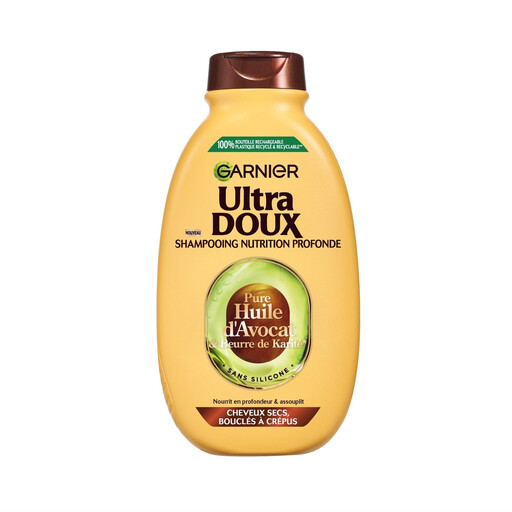
Why this suits this profile : An affordable formula for starting a routine designed for dry, curly or frizz-prone hair, with easy use in the shower.
The product details mention a creamy texture enriched with avocado oil and shea butter, without presenting the product as a permanent treatment for the hair fibre.
300 ml size, avocado oil and shea butter, with conventional application and rinsing.
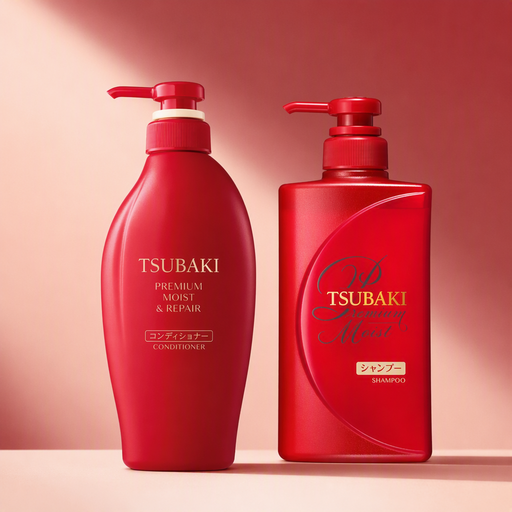
Why this suits this profile : This 450 ml duo combines shampoo and conditioner for hair that is regularly coloured, permed or exposed to heat.
The two products are described separately, with their volumes and ingredient lists, so you can check the formula instead of relying solely on the word ‘premium’.
Camellia oil, squalane and sodium acetylated hyaluronate are listed in the formula; the fragrance is floral and fruity.
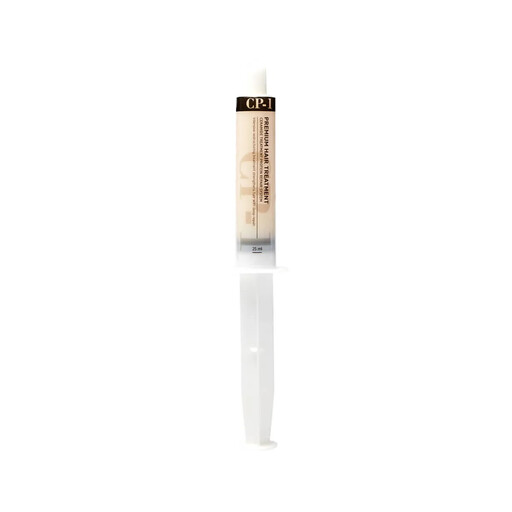
Why this suits this profile : A targeted treatment for brittle or chemically treated hair, designed for occasional use rather than every wash.
The directions recommend leaving it on for 10 to 20 minutes and using it weekly as a guideline, helping you avoid overusing a protein treatment.
Hydrolysed silk, wheat, collagen and keratin proteins; the formula is advertised as sulphate- and paraben-free.
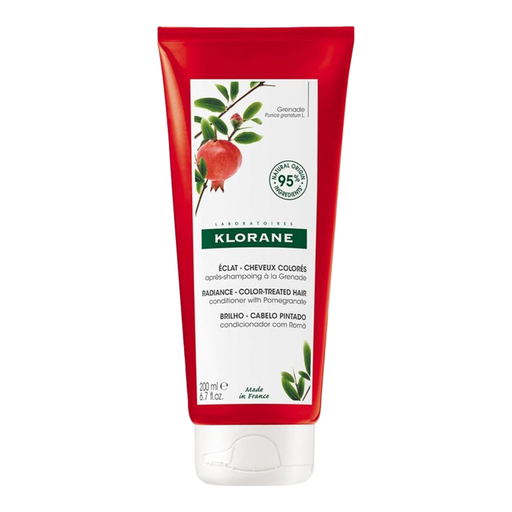
Why this suits this profile : This conditioner for coloured lengths helps you maintain a lightweight routine between more nourishing treatments.
The formula is described as silicone-free and featuring an acidic pH, giving you specific points to compare rather than relying on a vague protection claim.
Pomegranate extract is listed, along with 95 % ingredients of natural origin according to the product details, and a 200 ml size.
We have put together a complete, real-time updated selection of products that meet these exacting criteria while complying with European safety regulations.
Start with a shampoo suited to your scalp, then apply conditioner only to the lengths. Save your mask for when your hair feels coarse or becomes difficult to style. With a repairing oil, a small amount applied to damp or dry hair is generally enough; avoid the roots if they become greasy quickly.
Heated styling tools, towel friction and brushing wet hair can increase breakage. Set your tools to a moderate temperature, detangle gradually and have split ends trimmed when necessary. No cosmetic product can permanently mend an already split end.
Pair a gentle shampoo with a detangling conditioner and a weekly mask. If your hair has been bleached or repeatedly exposed to heat, an occasional protein treatment can complement your routine. Adjust how often you use it according to how supple your hair feels and whether it feels weighed down.
Follow the instructions on the product. The examples featured recommend approximately 5 to 10 minutes for the FINO mask and 10 to 20 minutes for the CP-1 treatment. Leaving a treatment on for longer does not necessarily guarantee better results.
Very hard water can leave hair looking dull and feeling coarse. A specialist treatment such as K18 PEPTIDE PREP Pro Chelating Hair Complex is presented as being able to reduce mineral and metal deposits with a four-minute leave-in time. Always check the directions and rinse thoroughly before returning to your usual routine.