
Livraison le jour même ou le lendemain

Qualité garantie

Débloquez vos offres de bienvenue: Livraison GRATUITE | Jusqu'à -80 % | 30 jours d'essai gratuits à JoyPlus
Téléchargez l'application
Fine hair that falls flat a few hours after styling, roots that are already limp the day after washing or lengths lacking movement: choosing hair volume products is not simply about spotting the word ‘volumising’ on a bottle. The texture, how you apply the product and the nature of your hair all matter just as much.
Some marketing claims can also encourage you to buy a treatment that is not right for you. Here are the most common mistakes, the criteria to consider and a selection of products for different needs.
A volumising shampoo can make your hair feel lighter and more airy straight after washing. A styling mousse, on the other hand, mainly helps to shape the hair. Neither product can permanently alter the natural density of the scalp. If your hair is thinning, it is therefore better to distinguish between the immediate cosmetic effect, the care provided to the hair and your long-term expectations.
Oils, silicones and conditioning agents are not inherently problematic. However, they can build up, weigh flat hair down and restrict its movement. Fine hair will generally benefit from conditioner being applied only to the mid-lengths and ends, leaving the roots alone.
A strong-hold mousse will not give the same result as a flexible formula. For a natural blow-dry, a flexible texture will preserve movement more effectively. For curls, definition and frizz control should come before simply seeking volume. Also remember to read the safety instructions for aerosols: as they are flammable, they must be kept away from heat and flames.
To add volume without weighing your hair down, choose a lightweight texture that is easy to measure out. Shampoos containing cleansing agents should be used at a frequency suited to your scalp. A silicone-free formula may be suitable if you want a more airy feel, such as the Pantene shampoo featured below. This does not mean that a product containing silicones is necessarily unsuitable: it all depends on the formula as a whole and the amount applied.
A 960 or 1 000 ml bottle can be cost-effective for a daily routine or for use by several people at home. However, it will be bulkier and less convenient to take with you. 50 ml sizes are useful for trying out a routine, travelling or checking your tolerance to a product before moving on to a larger size.
The INCI list deserves a careful look if your hair is coloured, curly or sensitive to fragrances. To help preserve colour, some ranges claim to contain a dedicated complex, such as Pureology. If your hair has been weakened by heated styling tools, look instead for conditioning agents or hydrolysed proteins. However, their presence is neither a medical guarantee nor a permanent repair of the hair fibre.
How you apply the product also matters: mousse is generally worked through towel-dried hair before drying, while conditioner is mainly applied to the lengths.
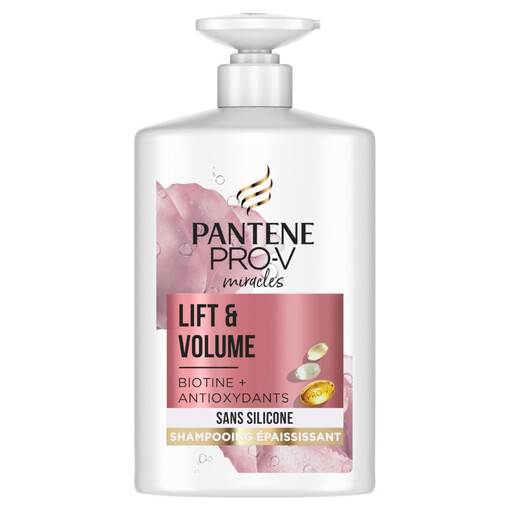
Why this choice suits this profile : its large pump bottle is ideal for frequent use at home. Marketed as silicone-free, its formula with biotin, rose water and Pro-V nutrients is designed to leave fine hair feeling light.
Its lightweight texture reduces the risk of choosing a treatment that is too rich for flat hair. The label also details the rinsing instructions and states that the product is for external use only.
1 l size, bottle made from recycled plastic according to the information provided, and a formula marketed as silicone-free.
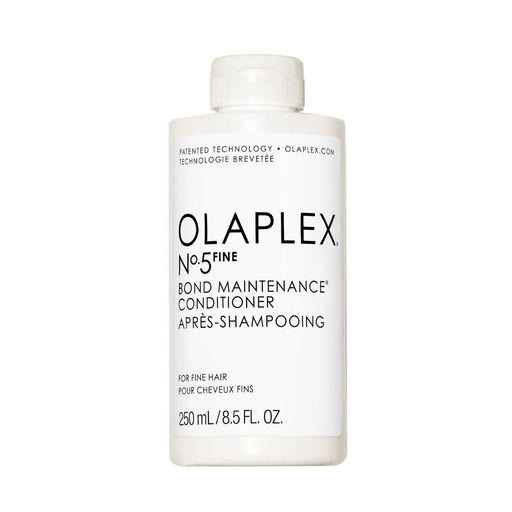
Why this choice suits this profile : this treatment combines detangling with added volume for fine hair. Apply it to the mid-lengths and ends for one to three minutes, helping you maintain a targeted routine.
Applying it away from the roots reduces the risk of flattening your hair. The 250 ml size also lets you start with an easy-to-control amount.
Conditioner described as lightweight, with panthenol, plant proteins and hyaluronic acid in its ingredients list.
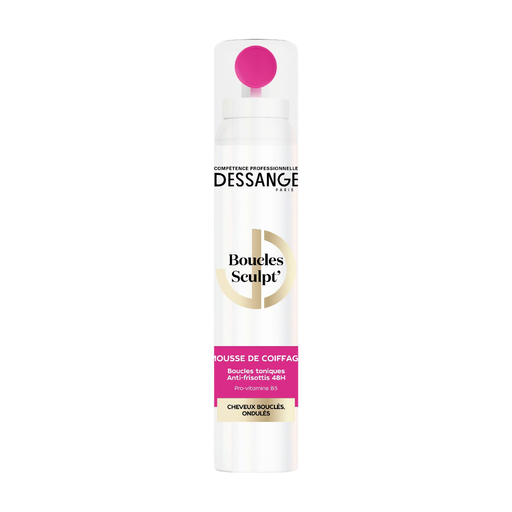
Why this choice suits this profile : designed for curly and wavy hair, it targets definition, lightweight volume and frizz control all at once. It can be used on damp or dry hair, depending on the result you want.
It does more than simply set your style: its micro-aerated texture is designed to preserve flexibility and movement. Nevertheless, follow the safety precautions for flammable aerosols.
Curl definition, frizz control, panthenol and compatibility with diffuser use.
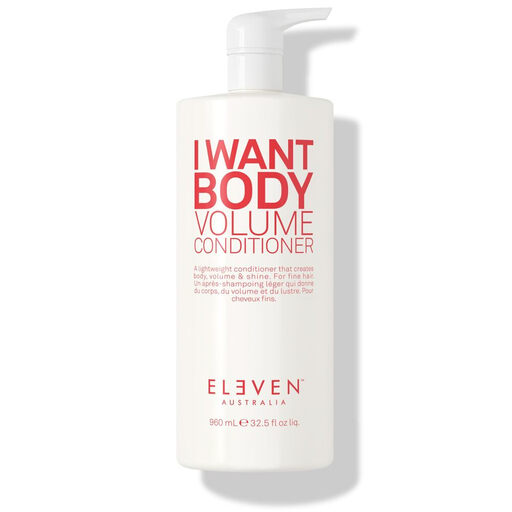
Why this choice suits this profile : its large size and short leave-on time of one to three minutes make it suitable for regular use. It is described as suitable for fine, flat, straight, wavy or curly hair.
The formula is designed to care for the lengths, without applying it to the roots. The ingredients mention wheat, soya and maize proteins, without promising any permanent transformation of the hair fibre.
960 ml size, short leave-on time, hydrolysed proteins and targeted application to the lengths.
We have put together a complete, real-time updated list of products that meet these demanding selection criteria and European safety standards.
The product is only part of the solution. To help achieve long-lasting volume, apply shampoo to the scalp rather than all over the lengths, then rinse thoroughly. Use only a small amount of conditioner on the ends. With mousse, distribute the product through towel-dried hair and dry the roots while gently lifting them, without holding the hairdryer too close.
Coloured or weakened hair may benefit from alternating between a volumising treatment and a protective treatment. Also remember to clean your brushes regularly and avoid layering too many styling products: residue can weigh your hair down and leave it looking limp.
Start by comparing the texture, size and ingredients before focusing on the promises made on the packaging. A lightweight volumising shampoo may be suitable for washing, while mousse will create a more immediate styling effect. Very fine hair will often benefit from conditioner applied only to the ends.
Shake the bottle, dispense a reasonable amount onto towel-dried hair, then distribute it from the roots through to the lengths. Drying your hair while keeping the roots slightly lifted helps to preserve movement. If your hair becomes stiff or sticky, use less next time.
It all depends on the formula and how your scalp reacts. Follow the manufacturer’s instructions, rinse cleansing products thoroughly and stop using them at the first sign of irritation. For coloured hair, alternating volumising treatments with products designed to protect colour can help you maintain a balanced routine.