
Livraison le jour même ou le lendemain

Qualité garantie

Débloquez vos offres de bienvenue: Livraison GRATUITE | Jusqu'à -80 % | 30 jours d'essai gratuits à JoyPlus
Téléchargez l'application
The hair care aisle can be overwhelming. Between ingredients with unpronounceable names and bold marketing promises, choosing a suitable hair treatment can quickly become a headache. The result: we accumulate ineffective products in our bathrooms, simply because we've fallen for the most common traps.
I'm a Product Recommendation Manager at Joybuy, and my role is to guide you through this jungle. Let's break down the mistakes to avoid and the essential criteria for finding THE one treatment that will truly transform your hair.
Hair care marketing is an art... and one that can easily mislead us. Here are the three most frequent traps that lead to disappointing purchases:
To stop making mistakes, focus on a few fundamental parameters that outweigh any marketing claim.
Before you even look at products, analyse your hair. Is it:
The ingredient list (INCI) is your best friend. Components are listed in descending order of concentration. Look for these at the top of the list:
Here are a few gems that stand out for their cutting-edge formulas, each addressing a very specific need.
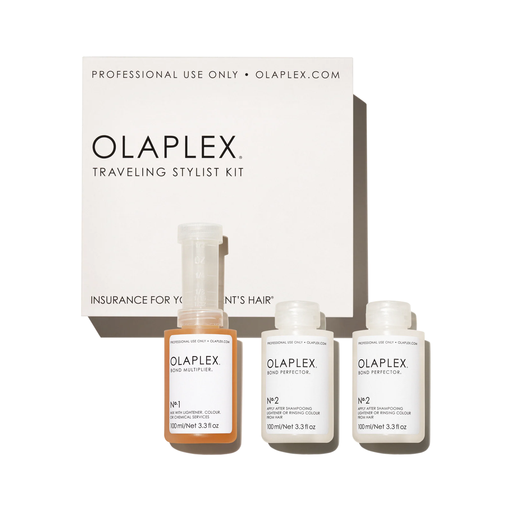
Why it's the right treatment for you: Ideal for those whose hair has been weakened by repeated bleaching or colouring. This kit is designed to be used during a technical service (colouring, bleaching) to limit breakage.
This is not just a surface-level treatment. It works on a molecular level thanks to its patented ingredient, Bis-Aminopropyl Diglycol Dimaleate, which repairs broken disulfide bonds deep within the hair.
Its patented technology rebuilds hair bonds and preserves the integrity of the fibre during technical services.
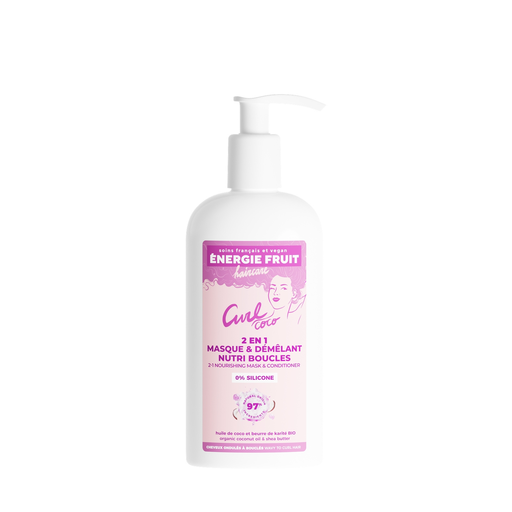
Why it's the right treatment for you: The perfect ally for curly, coily, or kinky hair that is thirsty for nutrition. It redefines curls and tames frizz caused by humidity.
This mask avoids the "one-size-fits-all" trap by offering a targeted formula. Its composition, with 97% natural origin and no silicone, nourishes without weighing hair down—a crucial point for maintaining curl bounce.
A formula enriched with organic coconut oil and shea butter to deeply nourish and protect curls from humidity.
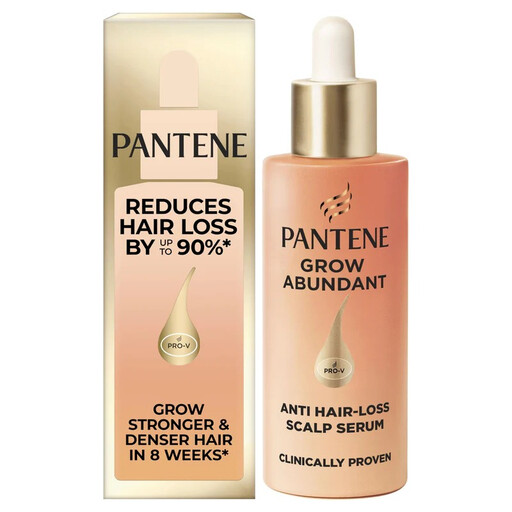
Why it's the right treatment for you: Designed for those who notice their hair is thinning and experiencing loss due to breakage. This daily treatment directly targets the scalp to strengthen the hair's anchor at the root.
This product doesn't just mask the problem by coating the lengths. It tackles the issue at the source by targeting the scalp with a lightweight serum formula, thus avoiding weighing down fine hair.
Its lightweight, leave-in serum formula allows for daily application. It is enriched with the Pro-Vitamins B5 and Niacinamide complex.
Discover our full selection of treatments that meet our demanding selection criteria and current safety standards.
For a mask for damaged hair, consistency is the key to success. A weekly application is an excellent baseline. If your hair is extremely dry or damaged (for example, after bleaching), you can increase this to twice a week, then return to a weekly rhythm. The most important thing is to observe your hair: if it becomes heavy or gets greasy faster, space out the applications.
Although the terms are often used interchangeably, there is an important nuance. Keratin is the main protein that makes up hair. A keratin treatment specifically aims to replenish this protein. A protein treatment for hair is a broader term that can include various hydrolyzed proteins (silk, wheat, collagen, etc.). All aim to strengthen the hair's structure, but different proteins offer slightly distinct benefits in terms of elasticity, hydration, or shine.
A hair supplement can be an excellent support, but be aware, it's not a magic bullet. In cases of pathological hair loss, medical advice is essential. Supplements containing biotin, zinc, and selenium, like the Nutri&Co Hair Complex, contribute to the maintenance of normal hair by working from the inside. Its effectiveness relies on consistency (a course of at least 3 months is often recommended) and should be part of a healthy lifestyle. It complements a topical care routine but never replaces it.