
Livraison le jour même ou le lendemain

Qualité garantie

Débloquez vos offres de bienvenue: Livraison GRATUITE | Jusqu'à -80 % | 30 jours d'essai gratuits à JoyPlus
Téléchargez l'application
With shelves overflowing with promises, finding the perfect hair treatment can often feel like a real headache. Between the "miracle" ingredients touted in ads and complex labels, it's easy to feel lost and end up with a disappointing product. Our mission, as editors, is to separate fact from fiction to help you see things more clearly. Let's break down the most common traps so your next purchase can finally be the right one.
Disappointment when buying a hair care product often stems from the same misunderstandings, cleverly maintained by marketing:
To avoid falling into these traps, focus on a few key points that define a product's true effectiveness.
The word "treatment" is a catch-all term. Understanding which product does what is the first step to building a routine that really works.
The ingredient list (INCI) is your best ally. You don't need to be a chemist; a few pointers can guide you:
It's basic, but it bears repeating: every head of hair is unique. Identifying your primary need is the key to choosing a formula that will deliver real results.
To put theory into practice, here are a few products that tick all the boxes, perfectly aligning with the criteria we've just discussed.
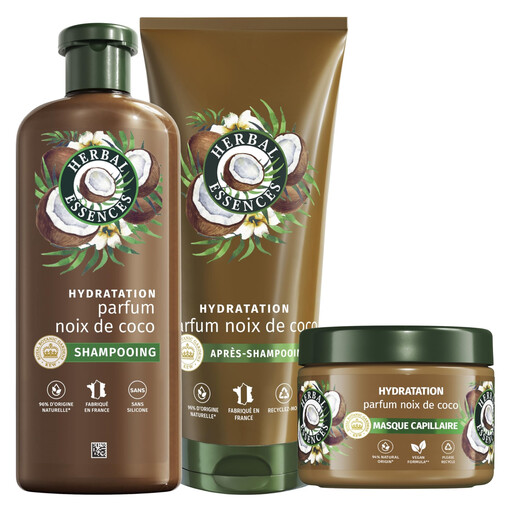
Why we recommend it: Perfect for those who want a turnkey solution for maximum hydration. This trio of shampoo, conditioner, and mask provides a complete and coherent routine to quench the thirstiest hair.
Instead of relying on a single miracle product, this coordinated routine sidesteps the "all-in-one" trap. Each product is complementary and works in synergy for an optimal result.
A vegan hair care formula endorsed by the experts at the Royal Botanic Gardens, Kew. Special mention for the generously sized mask (500 ml) that promises to last a long time.
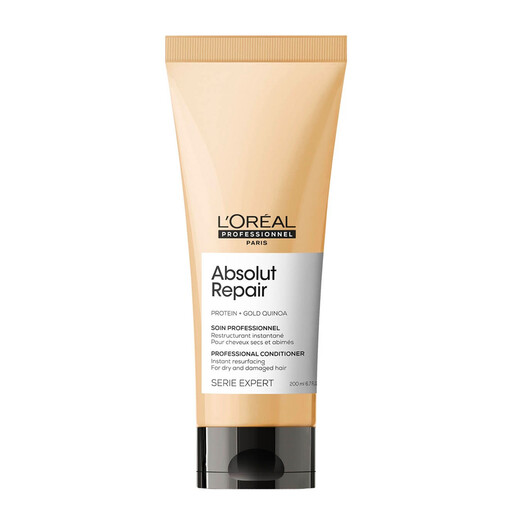
Why we recommend it: The S.O.S. for hair over-stressed by chemical treatments or heat. Its expert formula targets fibre reconstruction for a visible effect from the very first uses.
There's no isolated miracle ingredient here. The strength of this treatment lies in the combination of golden quinoa and a protein complex. It's this synergy that restructures the fibre, not a single magic active.
The numbers speak for themselves: up to 77% less surface damage and 7 times more shine (according to the brand). A product that earns its professional treatment label with concrete results.
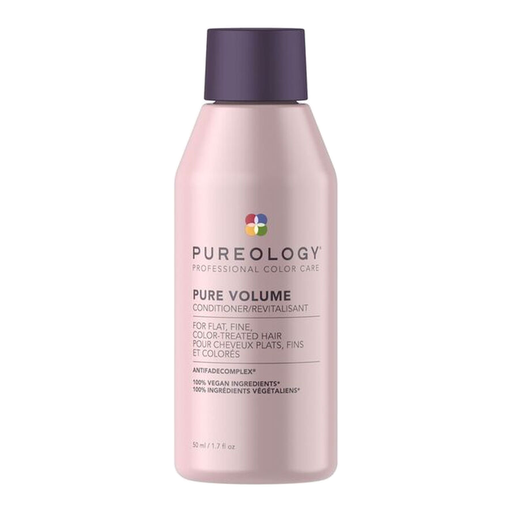
Why we recommend it: The perfect solution for fine hair that lacks oomph. This conditioner provides volume and lightness without ever weighing hair down, all while preserving colour vibrancy.
It defies the "all-in-one" approach by offering a hyper-targeted solution. Its feather-light formula is the antithesis of rich masks that, despite their benefits, tend to flatten fine hair.
A 100% vegan and sulphate-free formula, with the added bonus of the patented Antifade Complex for optimal colour protection. The winning combo for fine, colour-treated hair.
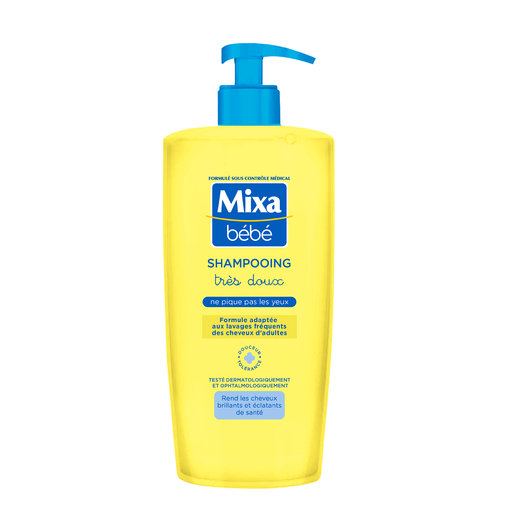
Why we recommend it: The ultimate family shampoo. A reliable choice for frequent washing and sensitive scalps, from the youngest to the oldest. Its high-tolerance formula respects the skin's balance.
No "miracle repair" promises here, just the essentials: cleanses perfectly and gently. It avoids the trap of overloaded formulas, which are often poorly tolerated with daily use.
Its neutral pH formula doesn't sting the eyes (tested under ophthalmological control, a real plus!). Its jumbo 750 ml size makes it a value-for-money champion for the whole family.
Discover our full selection of products that meet our demanding selection criteria and current regulations.
To put it simply, a conditioner is a daily, surface-level treatment. Its main mission: to smooth cuticles, make detangling easier, and provide light hydration after each wash. A hair mask is an intensive weekly treatment. More concentrated, it works deep down to nourish or repair the hair fibre. It needs a longer application time to address underlying issues like dryness or brittleness.
Not necessarily. Sulphates are very effective surfactants for creating lather and removing sebum and residue. The downside? They can be too stripping for sensitive scalps or already dry hair. A sulphate-free formula will therefore be gentler and is particularly recommended for colour-treated hair (it preserves pigments better), dry hair, or reactive scalps.
For a repairing mask, once or twice a week is a good rhythm. Be careful not to overdo it: an excess of protein can saturate the hair fibre, making it stiff and paradoxically brittle. For a repairing conditioner, you can use it after every wash. The golden rule: listen to your hair and adjust the frequency based on how it responds.