
Livraison le jour même ou le lendemain

Qualité garantie

Débloquez vos offres de bienvenue: Livraison GRATUITE | Jusqu'à -80 % | 30 jours d'essai gratuits à JoyPlus
Téléchargez l'application
Dull hair, uncomfortable skin, splitting nails – a complete beauty routine can combine a balanced diet, external care, and a hair, skin and nail supplement. But you still need to navigate the marketing claims, the dosages that can be tricky to compare, and the formats that may or may not suit your daily life.
Before you place an order, three common pitfalls keep cropping up:
To choose a supplement for your hair, check the amount provided per daily dose, not just what's listed for a single capsule or gummy. Biotin, also labelled as vitamin B8 or B7 depending on the packaging, contributes to the maintenance of normal hair and normal skin, in line with the authorised nutrition claims in the European Union.
Zinc and selenium are also common in supplements for skin and nails. Zinc contributes to normal protein synthesis, while selenium contributes to the maintenance of normal hair and normal nails. Remember to check the NRV percentages – that's the nutrient reference values for an adult.
A particularly high dosage should catch your attention. Some biotin gummies provide 5,000 µg per serving, while certain liquid or tablet formulas go up to 10,000 or 12,000 µg. If you need to have a blood test, let your doctor or the lab know you're taking biotin: manufacturers state it can interfere with certain test results.
Hydrolysed marine collagen usually comes as peptides, in powder, tablets, capsules or liquid shots. The term 'hydrolysed' means the proteins have been broken down into peptides, which makes them easier to mix into a drink or fit into a capsule. That doesn't, however, guarantee a cosmetic result.
Compare in particular:
A marine collagen powder can provide several grams per dose. A capsule formula is often easier to carry around, but it usually means swallowing several capsules. Shots are convenient, but they may contain sugar, flavourings or preservatives: always check the full ingredients list.
The best supplement on paper won't do you any good if its format makes you give up the course after a few days. Capsules suit those who prefer to avoid flavours. Powders mix easily into a glass of water, coffee or plant-based drink. Gummies are pleasant to chew, but often contain sugar or glucose syrup. Liquid formulas require precise measuring and sometimes need to be kept in the fridge after opening.
A food supplement is not a substitute for a varied diet or an appropriate topical treatment. For dry, damaged or frizz-prone hair, a leave-in hair oil can complement your external routine. It works on the hair's appearance, detangling and feel, without replacing a dietary supplement.
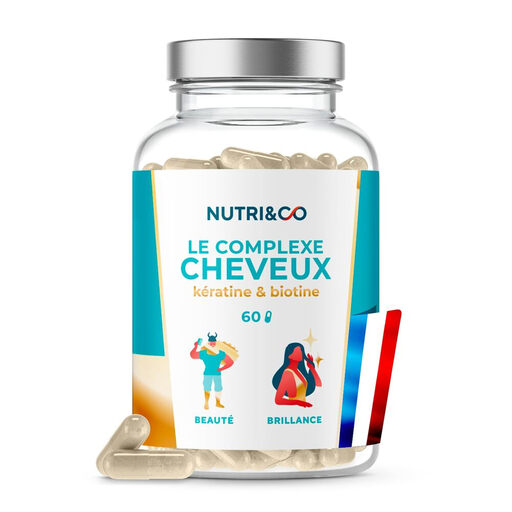
Why this choice suits this profile: This capsule formula, with no flavourings, clearly states the daily dose. It's ideal for a straightforward first 30-day course.
The label details the dose for two capsules: 50 µg of biotin, 10 mg of zinc and 55 µg of selenium, providing 100% of the stated NRVs for each of these nutrients.
The bottle contains 60 HPMC vegetable capsules, with no titanium dioxide, artificial colours or GMOs, according to the product sheet.
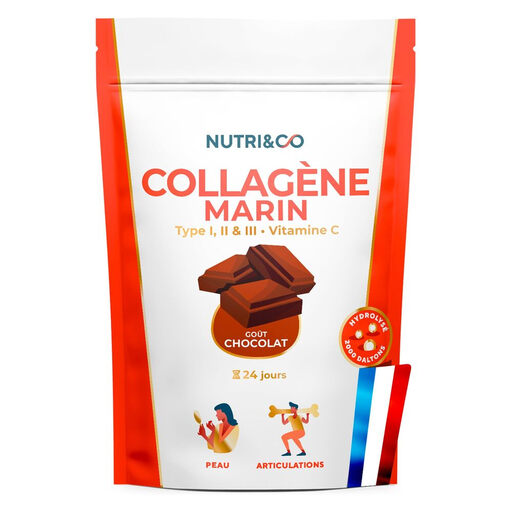
Why this choice suits this profile: This powder is for those who want to incorporate a precisely measured serving into their daily ritual, with a preference for a cocoa taste.
The product sheet states 8,000 mg of hydrolysed marine collagen per 10 g serving and specifies the breakdown between types I, II and III, rather than just giving an overall dosage.
Each serving also provides 80 mg of vitamin C. The product is sugar-free and contains defatted cocoa. However, it does contain fish.
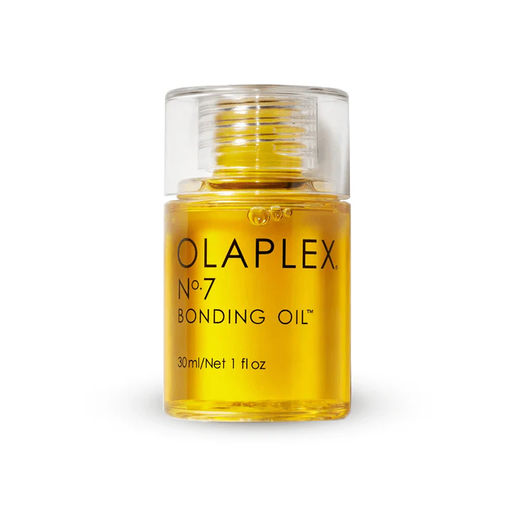
Why this choice suits this profile: This leave-in oil is aimed at people who regularly use a hairdryer or heated styling tools and are looking for a finishing treatment for damaged hair.
Its external use is clearly distinct from that of a dietary supplement: a few drops are applied to damp or dry hair, with no ingestion involved.
The formula contains texturising agents and plant oils. It is designed to add shine, tame frizz and provide heat protection up to 230°C.

Why this choice suits this profile: These individual ready-to-drink doses are convenient for on the go, during busy days, or for those who don't want to measure out powder or swallow several capsules.
Each stick equals one dose: the format reduces measuring errors while allowing you to check the ingredients and daily amount precisely.
According to the product sheet, one stick provides 12,500 mg of hydrolysed marine collagen, 80 mg of vitamin C and 50 µg of biotin. The presence of fish should be noted.
We've put together a comprehensive, real-time updated selection of products that meet these exacting criteria and comply with European safety regulations.
It all depends on the formula and the recommended dose. Some products are designed for 30 days, others for two to four months. Look at the number of servings rather than the total number of capsules or gummies. Always follow the dose stated on the packaging and avoid combining several products containing the same vitamins without seeking professional advice.
No. Their format is convenient, but their ingredients deserve a close look: sugar, sweeteners, added vitamins and biotin dosage. High-dose products generally mention a precaution to take before a blood test. Pregnant or breastfeeding women, those on medication and minors should seek advice from a healthcare professional before taking them.
These two products have different roles. Marine collagen is a supplement to be consumed as directed, while hair oil is applied to the lengths and ends. They can therefore be part of the same routine, as long as you check the supplement's allergens and the hair treatment's usage precautions.