
Livraison le jour même ou le lendemain

Qualité garantie

Débloquez vos offres de bienvenue: Livraison GRATUITE | Jusqu'à -80 % | 30 jours d'essai gratuits à JoyPlus
Téléchargez l'application
A hair shampoo should not be chosen simply based on its fragrance or the promise displayed on the bottle. Between “detoxifying” formulas, plant-based ingredients and claims such as “natural”, it is easy to pay more for a feature that adds little to your routine.
The most common mistakes are nevertheless easy to avoid:
Start by observing your scalp and lengths for a few days. The following categories can help you narrow down your search:
The INCI list remains the most useful reference point. Ingredients are listed in descending order of quantity, although regulations allow certain exceptions for low concentrations.
A silicone-free shampoo may suit people looking for a lighter feel or wishing to limit film-forming agents. That does not automatically mean the formula will be gentler. Similarly, an organic shampoo should be backed by an identifiable certification, such as Cosmos Organic, when this quality is claimed.
For a vegan shampoo, check the wording used by the brand or the relevant certification. “Naturally derived” and “vegan” do not mean the same thing. Finally, if you have sensitive skin, check the declared fragrance allergens, particularly limonene, linalool and geraniol.
A shampoo for frequent use should suit your washing routine without requiring you to use an excessive amount. For daily or family use, a 1-litre bottle can be economical, provided the formula suits the different users.
Conversely, a 250 to 330 ml size makes it easier to try a formula before buying a larger bottle. Refills, such as the Kao Success refill, can also reduce the amount of packaging used if you already own the appropriate bottle.
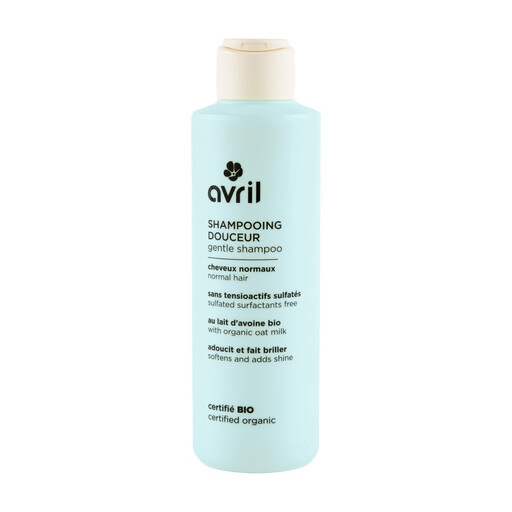
Why this choice suits this profile : A formula designed for normal hair, suitable for use by several family members and available in a 250 ml size.
The Cosmos Organic certification and the stated percentages are clearly indicated. This allows you to verify the claim rather than relying on packaging that simply suggests a plant-based product.
98% naturally derived ingredients, a vegan formula and 10% ingredients from organic farming, according to the product information.
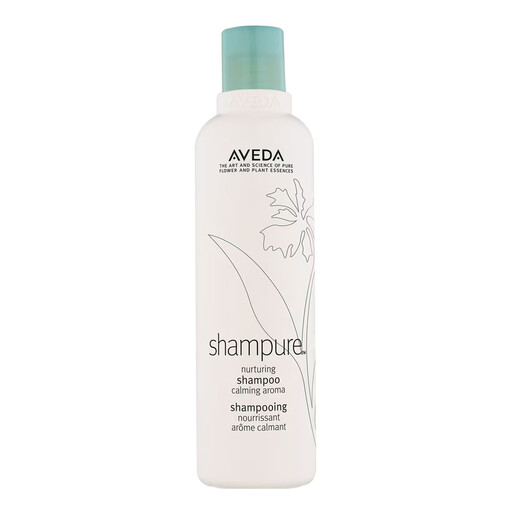
Why this choice suits this profile : It is aimed at people who value a vegan, silicone-free formula and a sensory experience defined by its fragrance.
The product information specifies which ingredients are excluded, including silicones and mineral oil, rather than reducing the product message to a fragrance or hero ingredient.
96% naturally derived ingredients according to the brand, a vegan formula and suitability for all hair types.
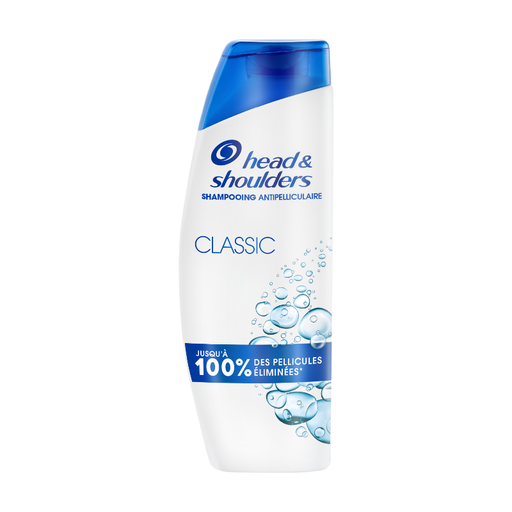
Why this choice suits this profile : An option to consider for a dandruff-focused routine, with a 330 ml size and stated suitability for daily use.
The product information mentions the presence of an anti-dandruff active ingredient, distinguishing it from a shampoo simply marketed as purifying.
The product information states that it has a pH-balanced, dermatologically tested formula containing piroctone olamine.
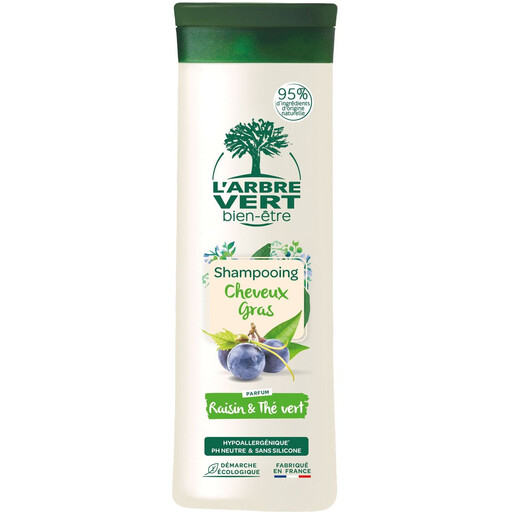
Why this choice suits this profile : Designed for hair prone to becoming greasy, it is aimed at people looking for a silicone-free formula and cleansing that leaves a lightweight feel.
Its suitability for oily hair and neutral pH are clearly specified. This prevents you from confusing a detoxifying shampoo with a moisturising treatment intended for dry lengths.
A formula described as hypoallergenic, silicone-free and made with 95% naturally derived ingredients.
We have put together a complete, real-time updated list of products that meet these strict selection criteria and European safety regulations.
Apply a small amount of product to your wet scalp, then massage with your fingertips, never your nails. The lengths are generally cleansed by the lather that runs through them during rinsing. A second wash may be useful after a workout or when using styling products, but it is not necessary every time.
Rinse thoroughly and monitor how your scalp reacts over time. If you experience tightness, redness or itching, stop using the product. For coloured or dry hair, you can apply conditioner or a mask to the lengths, taking care not to overload the roots.
Choose a formula explicitly described as gentle or designed for frequent use. If your scalp reacts easily, also check for fragrance and declared allergens. The right frequency depends on your sebum production, activity levels and styling habits.
The “silicone-free” claim describes a formulation characteristic, not a guarantee of results for everyone. It may appeal to people who prefer a less film-forming feel. However, dry or very curly hair may still need additional care on the lengths.
Follow the open-jar symbol and the instructions on the packaging. Keep the bottle closed, at a moderate temperature and away from direct heat. If the smell, colour or texture changes, it is best to stop using the product.