
Livraison le jour même ou le lendemain

Qualité garantie

Débloquez vos offres de bienvenue: Livraison GRATUITE | Jusqu'à -80 % | 30 jours d'essai gratuits à JoyPlus
Téléchargez l'application
Dry hair, oily roots, damaged lengths, unruly curls or a lack of volume: choosing a hair shampoo depends less on its fragrance or marketing claims than on the condition of your scalp and the state of your lengths. The right formula can make washing more comfortable and styling easier, but it will not permanently transform the hair fibre after just a few uses.
An oily scalp can perfectly well coexist with dry ends. Using a highly nourishing shampoo on the roots may then weigh the hair down quickly. Conversely, applying a purifying formula systematically to fragile lengths can increase the feeling of dryness.
For this combination, choose a formula that cleanses the roots without coating the entire head of hair with conditioning agents. A clay-based balancing shampoo may also be suitable, provided you check its recommended use and your scalp’s tolerance.
These claims alone are not enough to determine whether a product genuinely meets your needs. A sulphate-free shampoo may contain other cleansing agents and may not suit every hair texture. Similarly, a professional shampoo may be sold in a small size or require the use of a complementary conditioner.
Read the INCI list: surfactants, conditioning agents, oils, proteins and fragrances provide far more information than the packaging alone. If you are looking for a sulphate-free shampoo, check that the formula genuinely meets this criterion.
A 1-litre shampoo may seem economical, but it takes up more space and its pump dispenser needs to be kept clean. This size makes sense for frequent use, a family or a salon. To try a formula, a 250 to 400 ml bottle reduces the risk of ending up with a large quantity of a product that does not suit you.
Formulas containing Sodium Laureth Sulfate or Sodium Lauryl Sulfate generally produce plenty of lather and cleanse effectively. However, some people prefer gentler cleansing agents. This point deserves particular attention with an oily hair shampoo: overly harsh cleansing can cause discomfort and encourage you to wash your hair more often.
For a dry scalp shampoo, choose a formula with clear directions for use and precautions. If you have known sensitivities, pay particular attention to the presence of fragrance, essential oils or certain fragrance allergens.
Frequent washing calls for a formula that rinses easily and suits your scalp. Apply a small amount to wet roots, massage with your fingertips without scratching the skin, then allow the lather to run through the lengths. A second wash is only useful if the first has not removed enough residue.
Avoid contact with the eyes and stop using the product if irritation occurs. A cosmetic shampoo is not a medical treatment. In the event of significant or persistent hair loss, it is best to seek medical advice; an anti-hair-loss shampoo can only form part of a care routine, in accordance with the manufacturer’s instructions.
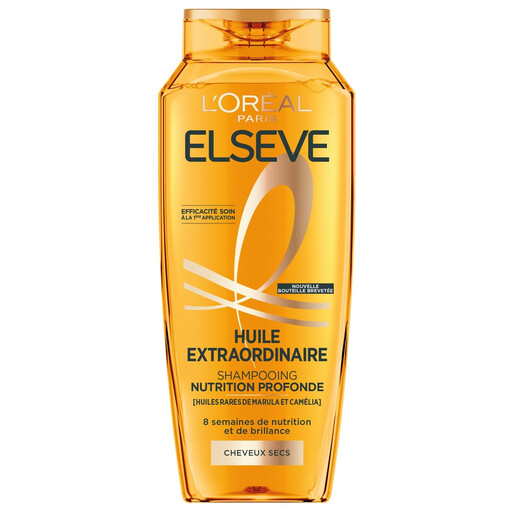
Why this choice suits this profile : Its 250 ml size lets you try a formula designed for dry hair before investing in a more complete routine.
The INCI list lets you check for coconut oil, marula oil and camellia oil, rather than relying solely on the word “nutrition”.
Accessible size, made in France and a formula designed for dry hair.
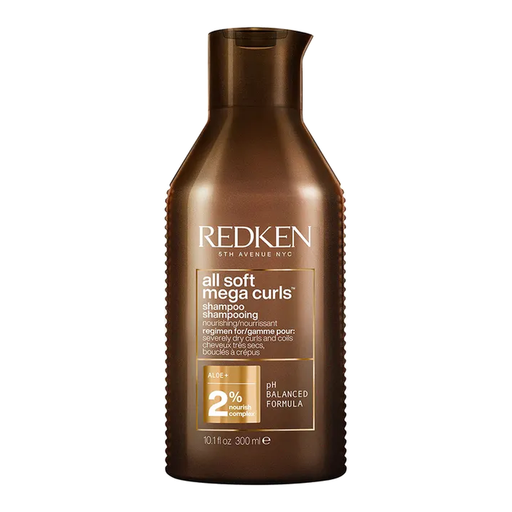
Why this choice suits this profile : This product is designed for naturally curly to coily hair and is suitable for people looking for a sulphate-free formula.
The formula is explicitly presented as sulphate-free; nevertheless, check the ingredient list on the packaging before use.
Advertised gentle cleansing, glycerine and aloe vera juice in the formula, plus a 300 ml size.
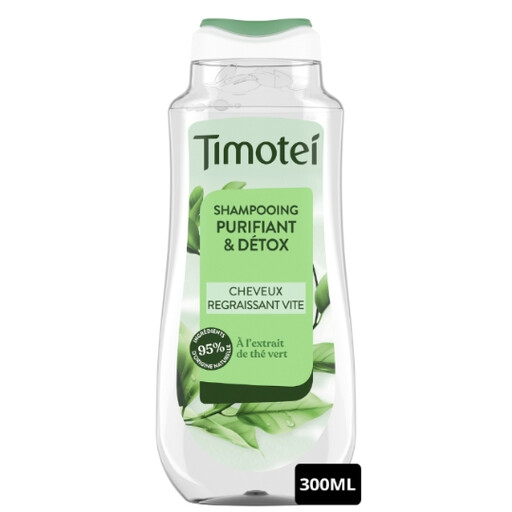
Why this choice suits this profile : It is designed for hair that becomes greasy quickly and for those looking for a fresh feeling between washes.
Its recommended use targets oily hair and the formula is advertised as silicone-free, helping you avoid choosing a product that is too rich for the roots.
Green tea extract, coconut oil and a 300 ml bottle suitable for regular use.
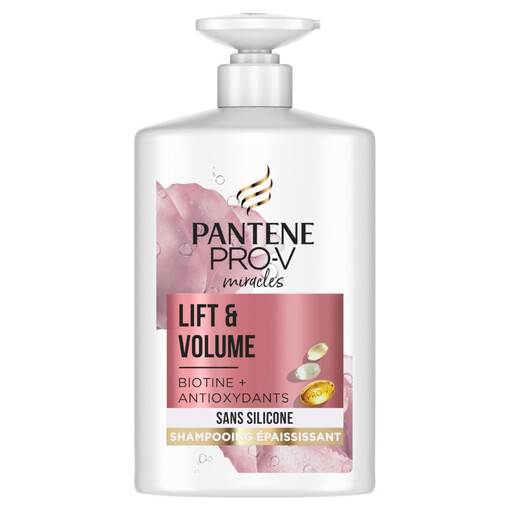
Why this choice suits this profile : Its family-sized bottle with pump is suitable for households that regularly wash fine or lacklustre hair.
The formula is stated to be silicone-free and the net volume of 1 litre is clearly specified, so you can compare the price per litre rather than the price of the bottle.
Biotin, rose water and Pro-V nutrients listed in the description; bottle made with recycled plastic, excluding the pump and colourants.
We have put together a complete, real-time updated list of products that fully meet these strict selection criteria and European safety regulations.
Choose a formula designed for an oily or balancing scalp, then apply conditioner only to the lengths. Using a dry hair shampoo on the roots may weigh the hair down.
It depends on the formula and how your scalp reacts. Follow the manufacturer’s instructions, rinse thoroughly and reduce the amount used if your hair becomes coarse or you experience any discomfort.
Check the use-by date or the symbol indicating the period after opening on the packaging. Close the bottle properly, store it away from heat and avoid handling the pump or opening with wet hands.