
Livraison le jour même ou le lendemain

Qualité garantie

Débloquez vos offres de bienvenue: Livraison GRATUITE | Jusqu'à -80 % | 30 jours d'essai gratuits à JoyPlus
Téléchargez l'application
Dry hair after blow-drying, split ends, dull curls or colour that quickly loses its shine: a hair repair mask can complement your hair care routine, provided you choose a formula suited to your needs. However, promises of "instant repair" shouldn't stop you from checking the ingredients and instructions for use.
Joybuy's Product Recommendation Officer selection is based on concrete criteria: hair type, featured ingredients, presence of silicones, format, frequency of use and application time.
From the very first use, a mask can make hair softer, shinier and easier to detangle. This effect usually comes from conditioning agents that coat the hair fibre. However, it doesn't mean split ends are permanently repaired or that the hair structure has been restored.
For a damaged hair mask or a brittle hair mask, look instead for a combination of conditioning agents, humectants, oils and hydrolysed proteins. Results can vary depending on the porosity, texture and treatments your hair has undergone.
A formula of natural origin isn't automatically suitable for all hair types. Plant oils and butters can effectively nourish very dry hair, but they can also weigh down fine hair. Conversely, a silicone-free hair mask may suit those who want to limit certain film-forming agents, without necessarily guaranteeing better effectiveness.
Take the time to examine the INCI list and check the specific indications: curly, coloured, dehydrated, weakened or chemically treated hair.
A 500 ml pot may seem economical, but it won't be practical if you only use the mask once a week or if its texture doesn't suit your hair. A smaller format can also be a good way to test a formula before committing to a larger size.
The application time also deserves your attention: some treatments work in 3 to 5 minutes, while a deep hair treatment sometimes requires 10 minutes. A quick-to-apply product fits more easily into a morning routine, especially when washing happens before heading to work.
Dimethicone, amodimethicone and dimethiconol can make detangling easier and provide a smooth feel. They appear in several formulas in this selection, notably from CP-1, Fino and Tsubaki. If you're looking for a silicone-free hair mask, choose a product whose description and ingredients clearly state this, such as Energie Fruit or Franck Provost Nutri-Frizz.
The "silicone-free" claim doesn't mean the treatment will necessarily be more nourishing. It reflects a formulation choice, which you should consider alongside your routine and preferences.
Generally, apply the product after shampooing, on damp, towel-dried hair, focusing on the mid-lengths and ends. Follow the recommended application time, then rinse thoroughly. Used too often, a mask can leave a feeling of heaviness, especially on fine hair.
For a hair repair mask, one to two applications per week usually match the product recommendations. Some versatile formulas, like Garnier Hair Food Papaya, can also be used as a conditioner or leave-in treatment: in this case, carefully follow the instructions on the packaging.
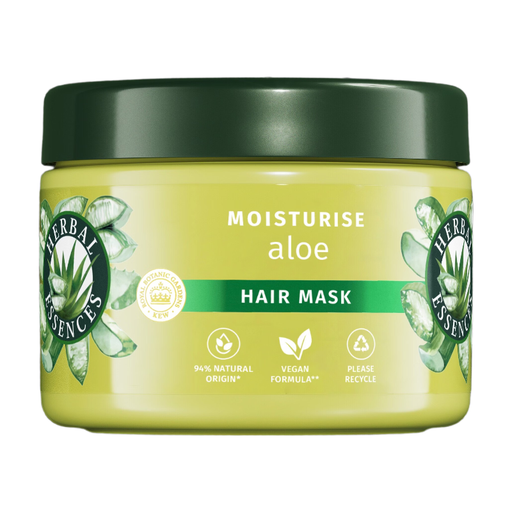
Why this choice suits this profile: Its large format and stated application time of 3 to 5 minutes make it a practical option for a simple routine, on dry or damaged hair.
The product page details the featured ingredients, including aloe vera and coconut fruit extract, rather than relying on a general repair promise.
500 ml format, apply to mid-lengths and rinse after a few minutes.
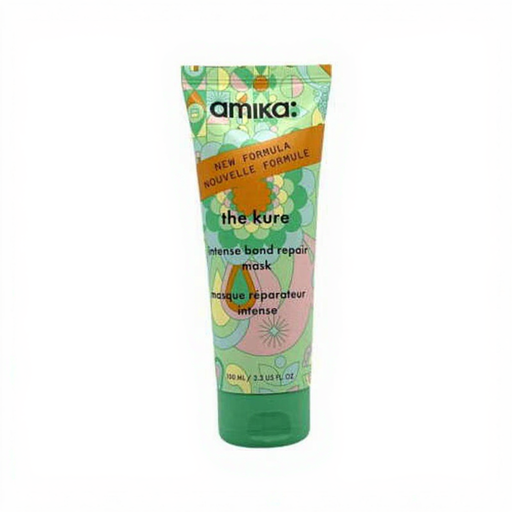
Why this choice suits this profile: Its 100 ml format is ideal for those who want to incorporate a targeted intensive treatment into a premium routine, especially on coloured or weakened hair.
The instructions recommend weekly use and a 10-minute application time – enough to avoid over-applying a rich treatment.
Formula with shea butter, mango butter, borage oil and sea buckthorn oil; compatible with coloured hair according to the product page.
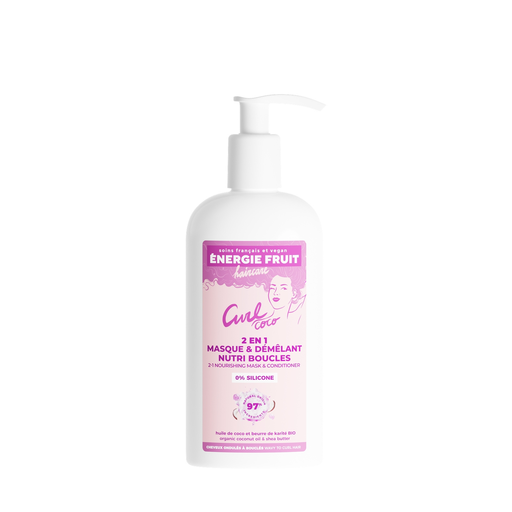
Why this choice suits this profile: This product targets curly and frizzy hair with a formula stated to be silicone-free and made from 97% naturally derived ingredients.
The product page specifies the targeted hair type, the presence of coconut oil and shea butter, as well as the absence of silicone.
300 ml format, formula made in France and recommended use once to twice a week.
We've put together a comprehensive, real-time updated list of products that meet these demanding selection criteria and European safety standards.
On very dry hair, you can alternate a hydrating hair mask with a more nourishing treatment. Fine hair generally requires less product. As for curly hair, you can detangle it during the application time, using your fingers or a wide-tooth comb.
It all depends on the formula and the condition of your hair. The products in this selection generally recommend one to two uses per week. A rich treatment can be used less often if your hair becomes flat or difficult to rinse.
Compare formulas that contain conditioning agents, glycerine, oils, butters, amino acids or hydrolysed proteins. DESSANGE Nutri-Extreme Richesse, CP-1 and Fino feature several of these ingredient categories. However, the texture and frequency of use matter just as much as the list of active ingredients.
Some products, like Amika The Kure, state compatibility with coloured hair. Check this mention on the product page and packaging, then follow the recommended application time. If irritation occurs, stop using immediately and rinse thoroughly.