
Livraison le jour même ou le lendemain

Qualité garantie

Débloquez vos offres de bienvenue: Livraison GRATUITE | Jusqu'à -80 % | 30 jours d'essai gratuits à JoyPlus
Téléchargez l'application
Changing your colour, taming frizz or reshaping your curls at home can quickly become expensive if you rely solely on the packaging. Hair products don’t all meet the same needs: a permanent colour isn’t chosen the same way as a nourishing oil, and a heated styling tool requires a few extra precautions.
Claims like “repair”, “intense shine” or “professional effect” don’t necessarily tell you what’s in the product, how to use it or how long the result will last. Before you head to the checkout, look instead at:
A nourishing hair oil can make the hair feel softer to the touch, but it won’t replace a treatment specifically formulated for very damaged hair. Similarly, a curl gel can help define strands better, but the result will also depend on your hair’s porosity, the humidity level and how the product is applied.
An ammonia-free hair colour may contain other alkaline agents as well as dyes that could cause a reaction. Permanent colours, including those without ammonia, therefore require an allergy alert test 48 hours before each use, following the manufacturer’s instructions to the letter.
Never apply a colour to an irritated or damaged scalp. Also respect the recommended waiting time after a perm, relaxer or chemical straightening. The Garnier Olia permanent hair colour, for example, reminds you of these precautions in its instructions and contains colour precursors among its ingredients.
An ionic hairdryer, a hot brush, a cordless straightener or a curling iron can reach high temperatures. Yet the most important details are often less visible than the tool’s design:
A hot brush isn’t necessarily a blow-dry brush. The Wavytalk Thermal Brush, for instance, is described as a heated styling tool for use on dry hair, not as a brush hairdryer.
Start by comparing the shade shown with your current colour and the base recommended by the manufacturer. A copper or chestnut shade won’t give the same result on a light, dark or already coloured base.
Next, check what’s inside the box: colour cream, developer, gloves, post-colour treatment and instructions. A formula that doesn’t drip makes sectioning and application easier, but it doesn’t replace wearing gloves or doing a patch test beforehand.
Products like Revlon Colorsilk Permanent Hair Coloring Light Auburn 53 and Garnier Olia 4.0 Pure Chestnut are marketed as ammonia-free permanent colours. However, their product pages still note the presence of colouring components and peroxide in the developer. Take the time to read the instructions in full before you start.
A shampoo or conditioner for damaged hair should be chosen based on how often you wash, the fineness of your hair and its level of dryness. On the lengths, go for rinse-out or leave-in treatments that make detangling easier without weighing down the roots.
A conditioner enriched with conditioning agents, plant oils or butters can improve softness and manageability. The Dessange Kératine Morphose treatment for dry hair is applied to the lengths and ends without rinsing. GLISS Ultimate Repair oil contains argan oil and sunflower oil; a small amount is usually enough for the ends.
Apply a styling cream, anti-frizz mousse or gel to damp hair so the product spreads more evenly. Start with a small amount, then add more if needed: too much product can weigh down fine hair or leave a stiff finish.
On wavy to curly hair, the Aussie Work That Curl leave-in cream and the Energie Fruit Coco Curl gel can help define your strands. A mousse generally adds more volume at the roots, while a gel helps hold the shape of your curls. Let your hair air-dry or use a diffuser on a moderate heat setting.
Tools with an adjustable temperature let you tailor the heat to your hair’s thickness and sensitivity. The Wavytalk hot brush offers five levels, stated as 150 to 215 °C. The lower temperatures are best for fine or fragile hair. Also avoid holding the tool still on one section for too long.
For touch-ups on the go, a cordless straightener can be handy. However, check its battery life, charging time and charger compatibility. For travel, the Jean-Louis David LITTLE WAVER mini curling iron accepts, according to its product page, a power supply of 110 to 240 V. After each use, unplug the tool and let it cool on a heat-resistant surface.
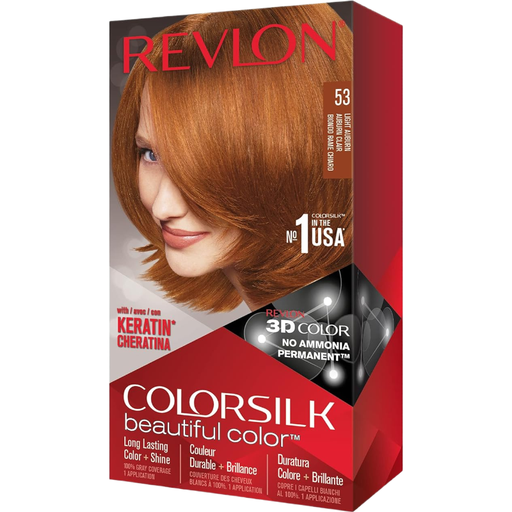
Why this choice suits this profile: The box contains the colourant, developer and post-colour treatment. Its formula is said to be ammonia-free and designed to minimise dripping during application.
The product page details the processing time, allergy test and precautions related to the colourants, rather than focusing solely on the shade result.
A light auburn chestnut shade, a non-drip texture and a treatment included after colouring.
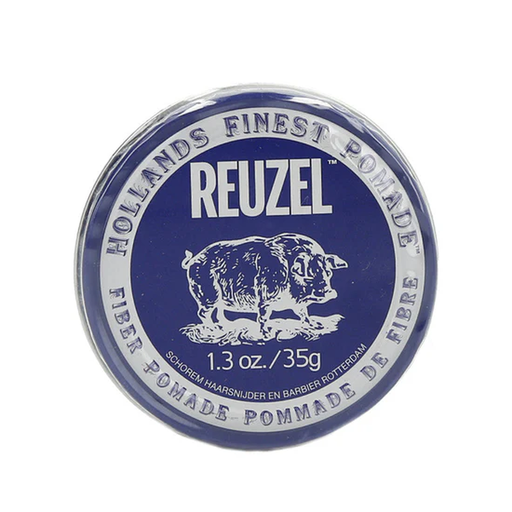
Why this choice suits this profile: Its small size is aimed at those looking for a finishing cream that can smooth, shape and add shine without layering up products.
The product page states it can be used on dry or towel-dried hair and recommends a limited amount, equivalent to one or two knuckles.
A versatile texture, application possible on dry or towel-dried hair and a smooth finish according to the product page.
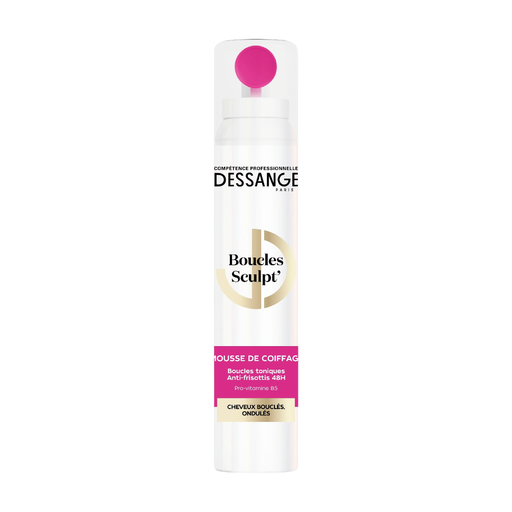
Why this choice suits this profile: This mousse can be applied to damp or dry hair, section by section, then worked with a diffuser to help form curls and waves.
The instructions indicate the amount to use, the scrunching technique and the option of using a diffuser, rather than just making a vague promise of hold.
A 200 ml size, a mousse texture and the presence of panthenol in the ingredients list.
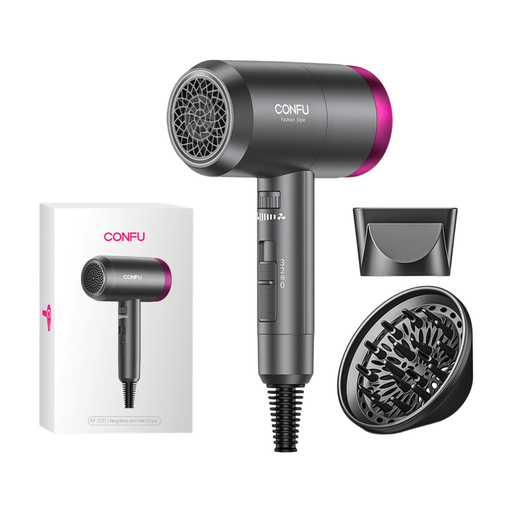
Why this choice suits this profile: Its temperature and speed settings suit people who regularly dry and style their hair at home.
The product page mentions overheat protection, cleaning the rear grille and automatic motor shut-off in certain situations.
A stated power of 1,800 W, a variable speed control and a concentrator nozzle included.
We’ve put together a full selection, updated in real time, of products that meet these exacting criteria as well as European safety regulations.
The mixture of colourant and developer should generally be used according to the instructions on the leaflet. Once mixed, it should not be stored for later use. For an unopened product, refer to the best-before date or the information printed on the packaging. Keep the box away from heat and light.
Start with a suitable shampoo, then apply a conditioner to the lengths and ends. On damp hair, you can then use a styling cream or a curl gel. If the ends remain dry, add a very small amount of oil. Adjust the amounts based on your hair’s fineness, density and porosity.
The consumption depends on the tool’s power, how long you use it and the rate charged by your electricity supplier. A 1,800 W tool used for 10 minutes consumes around 0.3 kWh. To reduce both your bill and heat exposure, towel-dry your hair thoroughly, select only the temperature you really need and clean the filters and air vents regularly.