
Livraison le jour même ou le lendemain

Qualité garantie

Débloquez vos offres de bienvenue: Livraison GRATUITE | Jusqu'à -80 % | 30 jours d'essai gratuits à JoyPlus
Téléchargez l'application
Damaged, dry, brittle hair? It's a concern many of us share. Faced with a jungle of hair masks all promising spectacular repair, it's easy to feel lost and make the wrong choice. As the Head of Product Recommendations at Joybuy, my role is to help you see clearly, cut through the marketing noise, and find the treatment that truly meets your needs.
Before I present our top picks, let's break down the most common pitfalls and the criteria to check for an informed purchase.
The hair care market is saturated with promises. Understanding these few points will save you from unnecessary spending.
To select a treatment for dry and damaged hair that's truly right for you, focus on these three key points.
First and foremost, observe your hair.
The INCI list doesn't lie: ingredients are listed in order of concentration. The first five make up the bulk of the formula. Make sure the active ingredients highlighted by the brand (a precious oil, keratin, etc.) appear near the top of the list, not at the very end for show.
Finally, every hair type has its own requirements:
Here are a few options that cater to distinct user profiles, taking into account the criteria we've just discussed.
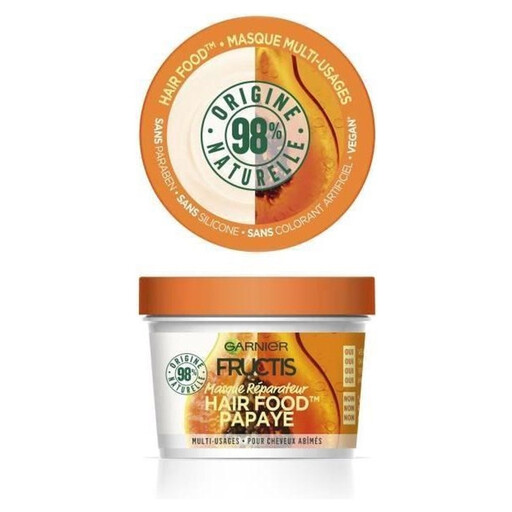
Why we love it: Ideal for those seeking a versatile and affordable nourishing treatment. Its vegan formula is designed to provide intense nutrition to hair that lacks vitality.
It doesn't rely on a single "miracle" ingredient, but on a balanced formula (papaya, amla, oils) that clearly addresses the nutritional needs of damaged hair.
3-in-1 Versatility: Can be used as a mask, conditioner, or leave-in treatment. Vegan formula and an indulgent texture.
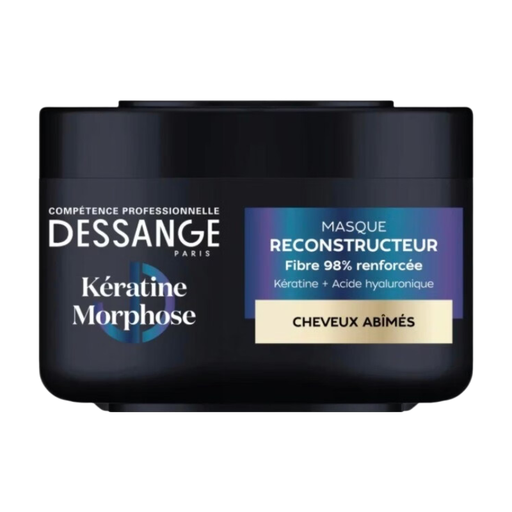
Why we love it: Designed for hair weakened by aggressors (colouring, straightening), this mask targets the reconstruction of the hair fibre.
It precisely meets the need for repair by incorporating a care complex with plant-based keratin and hyaluronic acid, active ingredients renowned for their action on hair structure.
Targeted Action: Aims to rebuild the hair fibre from deep within. According to the manufacturer, it makes hair 98% stronger.
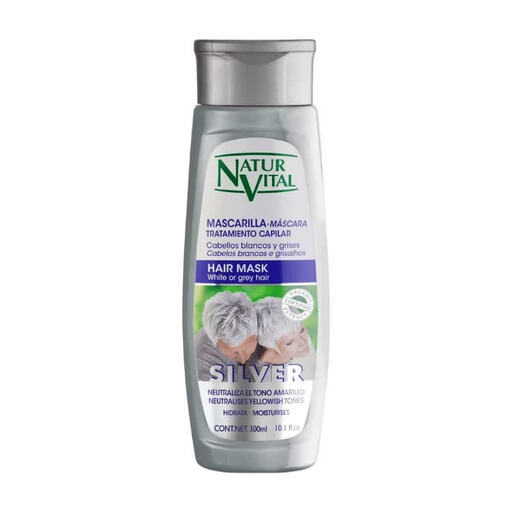
Why we love it: A 2-in-1 treatment that not only nourishes the hair (often dried out by bleaching) but also corrects yellow tones thanks to its pigments.
This toning mask doesn't claim to be a universal solution. It addresses a very specific need and perfectly fulfils its dual function: neutralising and conditioning.
Dual Action: Neutralises brassy tones and hydrates. Formulated with organic blueberry extract and plant-based keratin.
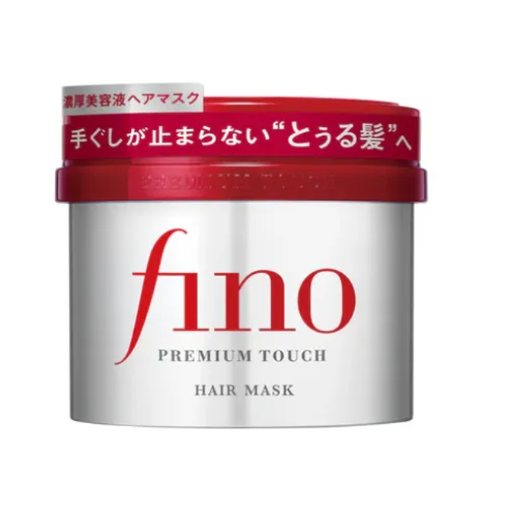
Why we love it: This Japanese hair mask is a cult favourite for anyone seeking an ultra-high-performance treatment. Its rich formula penetrates deeply for intense repair and hydration.
Its effectiveness isn't based on a marketing promise, but on a solid viral reputation and a proven formula that combines nourishing and repairing ingredients (royal jelly, squalane).
Deep Conditioning: Leaves hair extremely soft, smooth, and shiny. Incredibly effective, even on very dry and damaged hair.
Discover our complete selection of expert-approved treatments, all meeting the strictest selection criteria.
A conditioner is a quick, surface-level treatment. Its job? To smooth the hair's cuticles right after washing to make detangling easier and provide a boost of softness. A mask, however, is a deep treatment. More concentrated in active ingredients, it needs time to set (usually 3 to 10 minutes) for its ingredients to penetrate the core of the hair fibre and treat it from within (nourish, hydrate, repair).
On very damaged hair, feel free to start with two applications per week. As soon as you see an improvement, a weekly mask is generally sufficient for maintenance. The best advice is to listen to your hair: if it starts to feel heavy or greasy, space out the applications.
As a general rule, no. Repairing and nourishing masks are formulated for the lengths and ends of your hair. They are too rich for the scalp and risk weighing it down or making it get greasy faster. Always apply the product from the mid-lengths down. However, there are treatments specifically designed for the scalp, like the Derma X Pro soothing treatment from Head & Shoulders, which tackle problems like dryness or itchiness at the root. The golden rule: always read the product's instructions.