
Livraison le jour même ou le lendemain

Qualité garantie

Débloquez vos offres de bienvenue: Livraison GRATUITE | Jusqu'à -80 % | 30 jours d'essai gratuits à JoyPlus
Téléchargez l'application
Is your hair dry, dull, or impossible to manage? A hair mask often seems like the miracle solution. But with shelves overflowing with promises, it's hard to know what to choose, and the risk of a disappointing purchase is high. Many products simply mask problems rather than truly treating them. The result: weighed-down hair and effects that vanish with the next wash.
As a Product Expert at Joybuy, I'm here to help you see things more clearly. Together, we'll break down the most common pitfalls so you can choose THE right treatment for you—the one that will truly make a difference in your hair care routine.
Hair care marketing can be particularly misleading. Before you decide, watch out for these two classic mistakes that can lead to buyer's remorse.
The "one-size-fits-all" myth: A mask labelled "for all hair types" is often a bad idea. Curly hair doesn't have the same needs as fine, colour-treated hair. The former needs intense hydration to define curls, while the latter requires a lightweight treatment for damaged hair that protects colour without weighing it down. A generic product will be ineffective at best, and counterproductive at worst.
Confusing hydration with nutrition: People mix these up all the time, but they're night and day. A hydrating hair mask saturates the hair fibre with water using ingredients like glycerin or aloe vera. It's perfect for dehydrated, dull hair. A nourishing hair mask, on the other hand, delivers "fats" (lipids) via oils or butters to repair and soften dry, brittle hair. Choosing the wrong approach means you risk ending up with greasy hair or never solving your dryness problem.
To find the treatment that will be a true game-changer for your hair, it all comes down to two essential criteria.
This is the non-negotiable starting point. This diagnosis will guide you toward the right active ingredients.
You don't need a PhD in chemistry, but knowing how to decode a few key items on the INCI list (the list of ingredients) changes everything.
Here are a few options that meet specific needs, in line with the criteria we've just discussed.
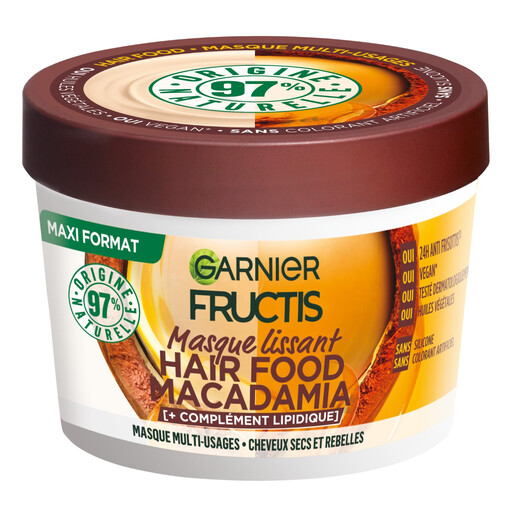
FOR WHO? Perfect for those who want an ultra-nourishing treatment that won't break the bank. Its rich formula is a true lipid boost for hair lacking softness and shine.
This mask does more than just hydrate; it nourishes deeply. It precisely targets the needs of dry hair by delivering fats (macadamia, soy, and sweet almond oils), not just water.
98% natural origin formula. Its rich texture penetrates the hair fibre without leaving a greasy film after rinsing.
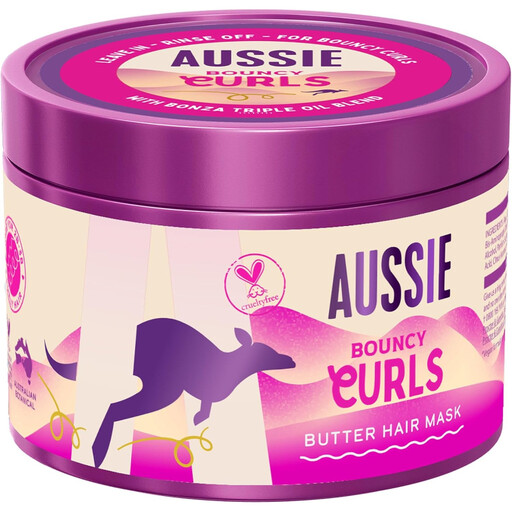
FOR WHO? For anyone who struggles to define their curls without weighing them down. This mask provides the intense hydration needed for lively, perfectly formed curls.
It avoids the "one-size-fits-all" trap by specifically targeting wavy and curly hair. Its formula is designed to deeply hydrate and detangle—two essential steps for this hair type.
Its versatility: use it as a classic rinse-out mask or as a leave-in treatment. Its jumbo 500 ml size is perfect for frequent use.
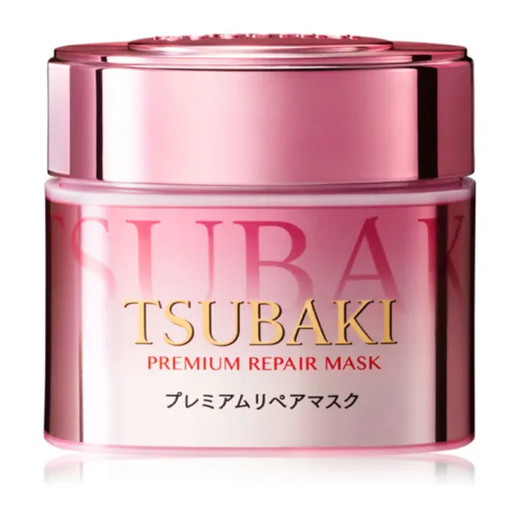
FOR WHO? For those who want stunning, immediate results on hair ravaged by colouring, straightening, or heat. A concentrated SOS treatment inspired by Japanese beauty rituals.
More than just a surface treatment, it aims for deep repair. Its strength lies in a high concentration of camellia oil and advanced technology for a salon-like effect at home.
Its fast-acting formula: it's effective even with almost zero leave-in time. The hair's texture is visibly transformed from the very first use.
Explore our complete selection of expert-approved treatments, all chosen for their effectiveness and impeccable formulas.
How often should you use a hair mask? It all depends on the condition of your hair. For a treatment for damaged or very dry hair, aim for one to two applications per week. For healthy hair, a weekly or bi-monthly treatment is more than enough.
Can you apply a mask to your scalp? As a general rule, it's not a good idea. Most masks, especially nourishing ones, are too rich and can make the scalp greasy and weigh down the roots. Apply the product to your lengths and ends—that's where it's needed most. However, some treatments are specifically designed for the scalp, like the Dermo Ressource soothing mask by Dessange, which targets issues like irritation or dryness.
What's the difference between a conditioner and a mask? Conditioner is your everyday express treatment. Its purpose is to detangle and smooth the hair's surface for easy styling and an immediate soft feel. A mask, however, is a deep treatment. It's more concentrated in active ingredients and has a longer leave-in time, allowing it to penetrate the core of the hair to treat it deeply: hydrating, nourishing, or repairing.