
Livraison le jour même ou le lendemain

Qualité garantie

Débloquez vos offres de bienvenue: Livraison GRATUITE | Jusqu'à -80 % | 30 jours d'essai gratuits à JoyPlus
Téléchargez l'application
Dull hair, brittle ends, a straw-like texture? If this sounds familiar, you've probably tried almost everything. The hair mask for dry hair is often touted as a miracle solution, but disappointment quickly sets in when the results vanish after the first wash. Faced with a hair care aisle overflowing with promises, it's hard to separate fact from fiction.
I'm the Head of Product Recommendations at Joybuy, and my mission is to guide you through this jungle. Before we get to our top picks, let's break down the common pitfalls to avoid and the key criteria for choosing a treatment that truly delivers—beyond the marketing hype.
The 2 Common Traps (and How to Avoid Them):
To make an informed choice, it all comes down to the INCI list (the list of ingredients). Here are the three key points to analyse.
Dry hair isn't necessarily undernourished hair. It's crucial to know the difference:
For a mask for damaged hair or a mask for brittle hair, nourishing isn't enough. You need to rebuild. The hair fibre needs a "cement" to fill in the gaps. This is the role of proteins (and their building blocks, amino acids).
A keratin mask (or one with wheat, rice, or soy proteins) is ideal here. These actives act like an internal bandage, reinforcing the hair's structure to make it more resistant to breakage.
As we've seen, silicones (identifiable by endings like "-cone," "-conol," or "-siloxane") are the kings of instant cosmetic results. This isn't to demonise them: they form an effective shield against external aggressors (heat, pollution) and are unbeatable for detangling.
However, for a treatment that works on the hair fibre long-term, or if you prefer a "clean" routine, a silicone-free formula is essential. Only a silicone-free formula ensures that nourishing and repairing actives can penetrate deep into the hair. An organic hair mask will, by definition, be free of silicones.
Instead of just a list, here are treatments that each meet a specific need, all selected based on the criteria we've just covered.
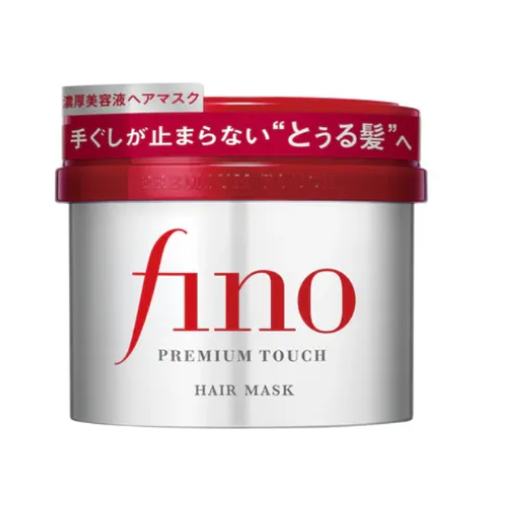
The concept: An SOS treatment for hair stressed by colouring, bleaching, or heat styling. Its formula, concentrated in amino acids, squalane, and royal jelly, targets deep repair for visibly smoother, healthier hair.
It goes beyond a simple cosmetic effect. By delivering structural components (amino acids), it helps rebuild the fibre from the inside out, rather than just coating the surface.
Its strength lies in its ability to penetrate the hair fibre to restore moisture and substance, delivering results that improve with each use.
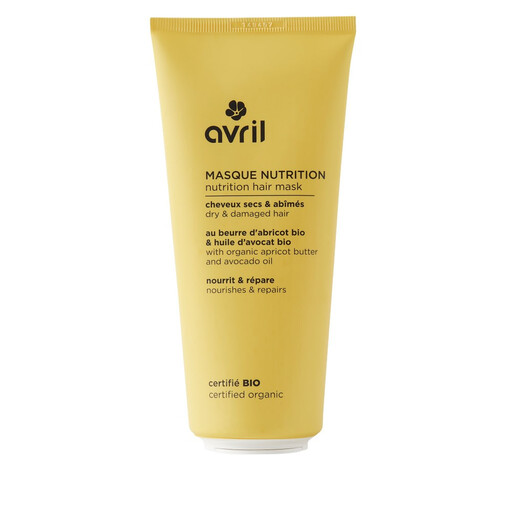
The concept: The assurance of a natural, certified organic, and French-made formula. This mask relies on a 99% natural-origin composition, featuring organic apricot butter and avocado oil for intense nutrition.
The "organic" label isn't just a marketing claim. The Cosmos Organic by Ecocert certification is a seal of quality, guaranteeing a clean formula and a high concentration of ingredients from organic farming.
Its ultra-rich balm texture coats the hair fibre to nourish it deeply. Ideal as a pre-shampoo treatment, it leaves hair soft, strong, and shiny, with no greasy residue.
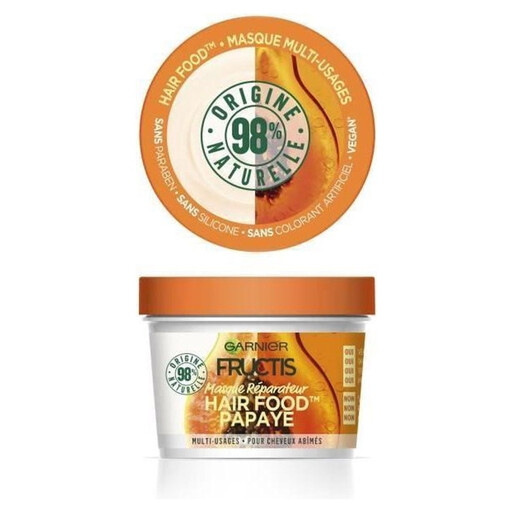
The concept: The Swiss Army knife of hair masks. A 3-in-1 treatment (mask, conditioner, leave-in) with unbeatable value. Its vegan formula is designed to repair lengths and seal split ends.
Rather than relying on a single active, its formula combines the benefits of papaya and amla in a nourishing base for comprehensive and effective repair.
Its versatility is its greatest strength. Use it as an intensive treatment in the shower, a quick detangler, or a leave-in cream for ends—it adapts to any routine. All in an extra-large jar.
Discover our full selection of treatments that meet our quality charter and current regulations.
A conditioner works on the surface in just a few seconds. Its main role is to smooth the hair's cuticles after washing to make detangling easier and provide a silky feel. A mask, on the other hand, is a deep treatment. It's more concentrated in active ingredients and requires a longer application time (from 5 minutes to several hours) to allow its ingredients to penetrate the core of the hair fibre and repair it long-term.
It all depends on its formula. For a nourishing mask based on oils and butters (an "oil bath"), leaving it on for an extended period is often very beneficial. However, be careful with a hydrating mask or a protein-rich treatment: it's crucial to follow the recommended time. Too much protein can overload the hair fibre, making it stiff and brittle (the opposite of the desired effect!). Likewise, over-hydration can make it too soft. The best practice is to always read the instructions on the packaging.
It's all about balance and listening to your hair.
Your hair is the best indicator. If it feels heavy or gets greasy quickly, use masks less frequently. If it still seems thirsty, stick to a more regular schedule.