
Livraison le jour même ou le lendemain

Qualité garantie

Débloquez vos offres de bienvenue: Livraison GRATUITE | Jusqu'à -80 % | 30 jours d'essai gratuits à JoyPlus
Téléchargez l'application
A hair colour can be used to cover greys, change your shade, revive a faded colour or simply even out your roots. Yet the result doesn't depend solely on the name printed on the box. Your starting colour, hair porosity, hair density and the formula you choose often play a much bigger role.
Before you place an order, three mistakes crop up time and again:
Start by clearly identifying your goal:
So-called ammonia-free formulas can reduce the characteristic smell of some dyes. That doesn't mean they are free from any colouring or oxidising agents, though. The ingredients list and usage precautions are still essential.
The main shade families cater to different needs:
For a radical change, especially to a very light base, a hairdresser's advice can be invaluable. They can assess the underlying pigment, your hair's strength and the appropriate development time.
Check whether a developer is included, how much product you get and whether you need to mix it yourself. Some products are ready to use, while professional dyes require a separate developer and precise measuring.
Before each use, carry out the allergy alert test 48 hours in advance, following the instructions on the leaflet. Wear the gloves provided, protect your eyes and never apply the product to irritated or damaged skin. Dyes must not be used on eyelashes or eyebrows. If a reaction occurs, rinse immediately and stop using the product.
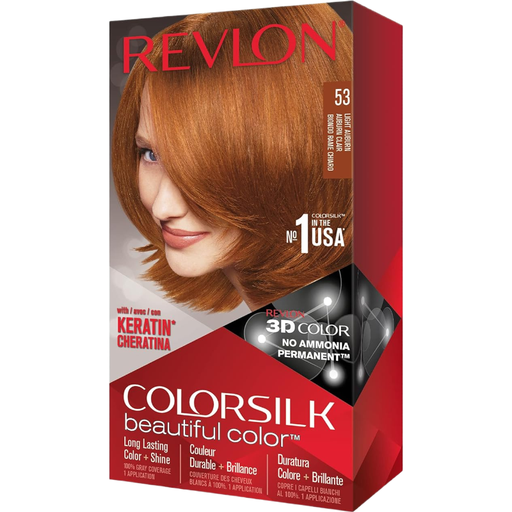
Why this pick suits this profile: This ready-to-use kit is ideal for a first at-home colour. It offers a light brown shade with copper tones and a formula that's said to be non-drip.
The product page details the development time, rinsing instructions and how to apply the included treatment. This helps prevent common slip-ups when colouring at home.
An ammonia-free formula, grey hair coverage and the inclusion of keratin and silk amino acids.
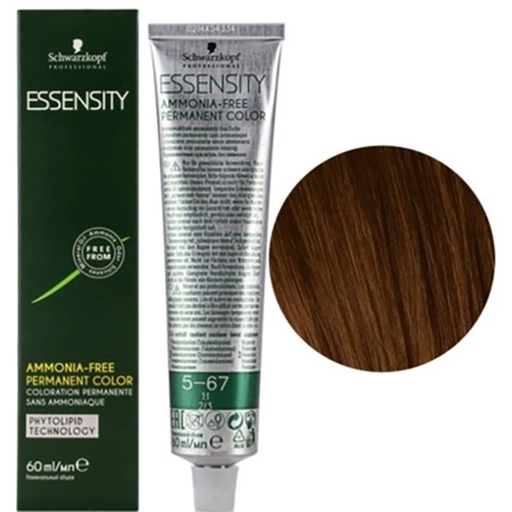
Why this pick suits this profile: This professional colour is aimed at those used to mixing and who are after a light brown shade with woody tones.
The 1:1.5 mixing ratio with the developer is stated on the product page. So there's no guessing the proportions.
An ammonia-free, paraben-free and silicone-free formula, with up to 100% grey hair coverage.
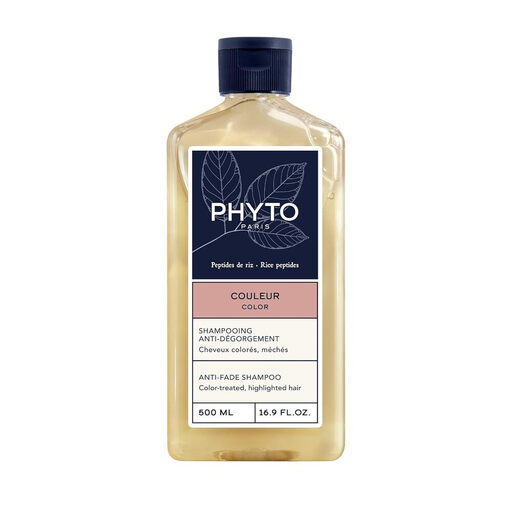
Why this pick suits this profile: With its 500 ml size, this shampoo is ideal for those who wash their coloured hair regularly and want to incorporate a maintenance product into their routine.
This is a maintenance shampoo, not a permanent colour: it cleanses the hair and helps preserve colour intensity.
A sulphate-free and silicone-free formula, enriched with rice peptides, tara tannins and sunflower sprout extract.
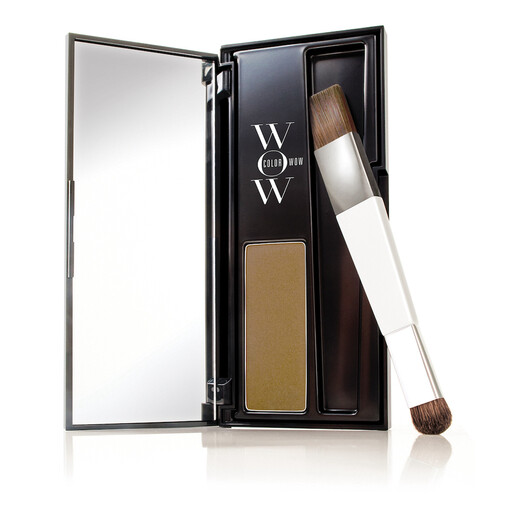
Why this pick suits this profile: This powder is for those who want to disguise regrowth or a few grey hairs between colourings.
Its temporary effect leaves no room for confusion: the powder washes out with shampoo and doesn't replace a permanent colour.
A compact format with a mirror, application on dry hair and a water-resistant hold that lasts until your next shampoo.
We've put together a comprehensive, real-time selection of products that meet these demanding criteria and comply with European safety standards.
After colouring, space out your washes if your routine allows, and use lukewarm water rather than hot. A shampoo for coloured hair can be followed by a conditioner or mask suited to sensitised lengths. Pigmented treatments, such as copper, red or violet conditioners, are mainly used to maintain a tone and should be used according to the instructions.
Products with filters against environmental aggressors can complement this routine. However, no longevity promise works for everyone: how often you wash, sun exposure, use of heat styling tools and your hair's porosity all affect how the colour evolves.
Always follow the instructions on the leaflet first. Many at-home colours are applied to dry hair, sometimes unwashed. However, avoid using a formula on irritated or recently sensitised skin.
A permanent colour stays visible until regrowth, even if its tones may lose intensity with washing and exposure to the elements. A temporary colour, touch-up powder or pigmented treatment washes out much more quickly.
It can absolutely be designed to cover grey hair, but check the relevant mention on the packaging and follow the recommended development time. Your hair type, the proportion of grey hair and the shade you choose can all affect the result.