
Livraison le jour même ou le lendemain

Qualité garantie

Débloquez vos offres de bienvenue: Livraison GRATUITE | Jusqu'à -80 % | 30 jours d'essai gratuits à JoyPlus
Téléchargez l'application
A hair colour can transform your look in just a few steps. But to get the result you're after, it's not enough to rely on the picture on the box. The same shade can look different depending on the light, your natural colour and your hair's history. When colouring at home, the hardest mistakes to fix are usually down to a poor diagnosis rather than the product itself.
A permanent hair dye changes your colour long-term until regrowth and gradual pigment fade. It's ideal for a full transformation, as well as for those looking for good grey coverage.
On the other hand, a root touch-up spray or root concealer powder masks regrowth until your next shampoo. These solutions are handy for bridging the gap between colourings, but they don't replace a permanent colour.
'Golden blonde', 'light chestnut' or 'deep brown' won't give the same result on a blonde, chestnut or already-coloured base. A light colour generally won't lighten dark hair in a predictable way.
Before you order, check:
A blonde colour can bring out yellow or brassy tones. In that case, a repigmenting hair treatment or an anti-yellow product can help maintain the shade. However, this doesn't replace bleaching when that's necessary to achieve the colour you're aiming for.
An ammonia-free hair colour can reduce the characteristic smell of some formulas, but this label doesn't mean there's no risk of irritation. Oxidative hair colours may contain other sensitising ingredients, such as phenylenediamine or resorcinol-based dyes.
Reading the usage precautions, the ingredient list and carrying out a patch test beforehand are still essential.
For a hair colour that covers greys, look for a clear indication of the coverage level and follow the development time exactly. Resistant grey hair may need a different application time depending on the instructions. Too short a development time or uneven application can leave visible patches, especially around the temples and hairline.
Ready-to-use kits usually contain the colour cream, developer, gloves and a finishing treatment. They're especially convenient for at-home hair colouring.
Professional creams, like certain Kemon references, sometimes require a separate developer and precise measuring. You'll need to check the mixing ratio and the developer volume: 3%, 6%, 9% or 12% each give a different level of lightening.
The amount you need depends on your hair's length and thickness. One box may be enough for short hair, while two might be needed for long or thick hair. Never apply colour to an irritated or damaged scalp.
Before each use, do the allergy test as instructed – usually 48 hours in advance – even if you've used the product before without any issues. Wear gloves, avoid contact with your eyes and never use a hair colour on your eyebrows or eyelashes.
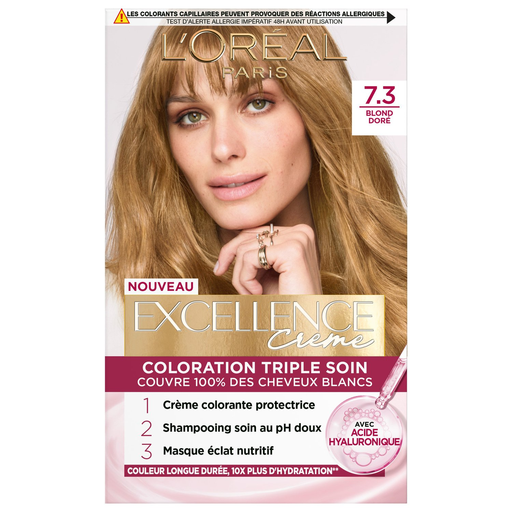
Why this choice suits this profile: The kit offers two applications and a three-step routine, with colour cream, post-colour shampoo and mask.
The different steps and the 30-minute development time are clearly stated, which prevents guesswork during a first colouring.
Golden blonde shade, two-application format and included treatment. The product page claims up to 100% grey coverage.
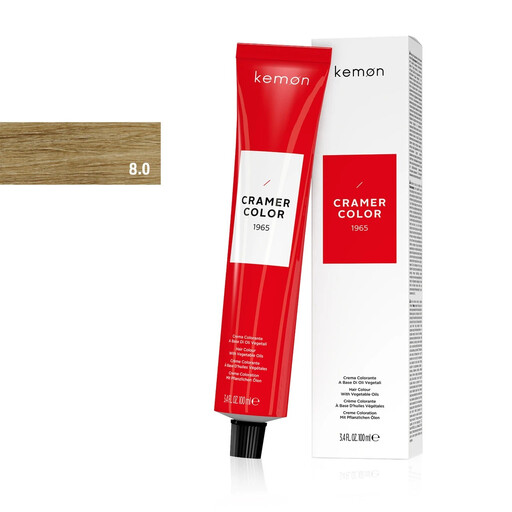
Why this choice suits this profile: This cream is aimed at those comfortable with separate measuring and a preparation closer to a salon protocol.
The 1:1 ratio and compatible developer volumes are specified. Please note, the developer is not included – you need to buy it separately.
Creamy texture, coconut oil in the formula and 100ml format. The range includes references specially designed to cover grey hair.
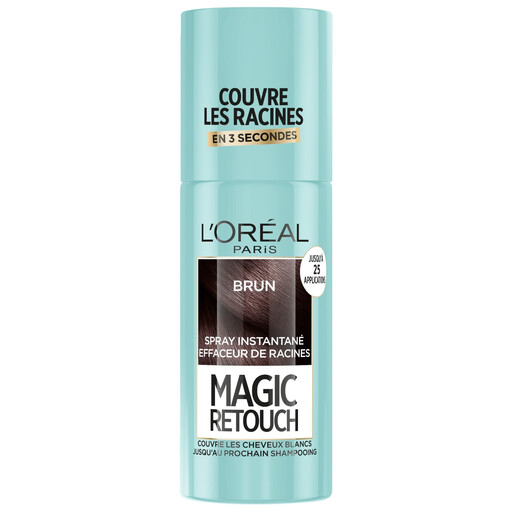
Why this choice suits this profile: This spray lets you quickly camouflage brown regrowth or grey hair between permanent colourings.
It's clearly presented as a temporary solution that washes out with shampoo – so there's no risk of mistaking it for a permanent colour.
Apply about 15cm from the roots, dries in one minute and comes in a 75ml format. Flammable aerosol – use only in a well-ventilated area.
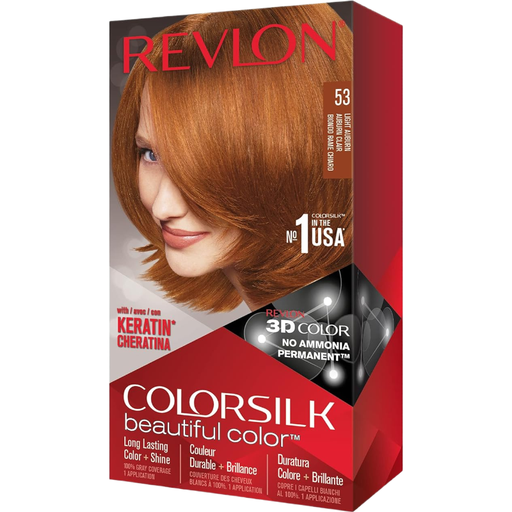
Why this choice suits this profile: Its kit format and non-drip texture make regular all-over applications simpler.
The formula is claimed to be ammonia-free, but the allergy test and usage precautions are still essential before each use.
Light auburn shade, 25-minute development time, extended to 35 minutes for resistant grey hair according to the product page.
We've compiled a full, real-time selection of products that meet these strict criteria as well as European safety regulations.
A permanent colour stays bonded to the hair fibre until regrowth, even though its intensity gradually fades. How long it lasts visually depends on your rate of growth, how often you shampoo, sun exposure and your hair's condition. Roots usually become visible before the lengths have completely lost their colour.
Check the instructions and follow the waiting time recommended by the manufacturer. Some product pages advise waiting at least two weeks after a straightening treatment, perm or similar process. Damaged hair can react differently – if your scalp is irritated or you're unsure, ask a healthcare professional for advice.
Use products designed for coloured hair and space out washes if that works with your routine. For blonde hair that's turning yellow, a neutralising treatment can be applied following its instructions and development time. For a chestnut or brown colour, choose a repigmenting treatment that matches your shade to avoid pigment build-up.