
Livraison le jour même ou le lendemain

Qualité garantie

Débloquez vos offres de bienvenue: Livraison GRATUITE | Jusqu'à -80 % | 30 jours d'essai gratuits à JoyPlus
Téléchargez l'application
Changing your colour, covering grey hair or simply reviving a shade isn’t just about picking a colour from a box. A hair colour can be permanent, temporary, re-pigmenting or designed purely for maintenance. The result also depends on your natural colour, your hair’s porosity and any products you’ve already used.
Article written by the Joybuy Product Recommendation Officer, whose role is to filter commercial information to help you make a practical, objective choice.
A blonde colour applied to a brown base won’t necessarily give you the blonde you see on the packaging. Your starting colour, any previous colour treatments and the presence of grey hair all directly affect the result. For a significant change, always check the results chart that corresponds to your base colour.
An ammonia-free hair colour can still contain other alkaline agents and colourants that may cause a reaction. Permanent formulas often use a developer containing hydrogen peroxide. Even when marketed as gentle, a colour must be used according to its instructions, with an allergy alert test 48 hours before each application, unless the packaging states otherwise.
One box may be enough for short hair, but long or thick hair sometimes requires two boxes. Incomplete coverage can create uneven patches, especially with a grey hair colour. Professional products, such as certain Kemon creams, are also sold separately from the developer: the real cost must then include the oxidant, gloves and application tools.
Read the INCI list and the instructions, especially if you have a sensitive scalp or have reacted to a colour before. An ammonia-free formula isn’t necessarily free of phenylenediamine, resorcinol or ethanolamine. For a professional colour, also check the mixing ratio and the recommended oxidant volume. Unless the instructions explicitly say so, don’t mix products from different brands or ranges.
If your priority is grey hair coverage, choose a shade suited to your level of grey and follow the development time carefully. To preserve the vibrancy, use a shampoo for coloured hair and limit exposure to very hot water, heat styling tools and sunlight. An anti-yellow neutralising treatment can accompany a blonde colour, while a red or copper re-pigmenting treatment will restore depth to a shade that’s fading.
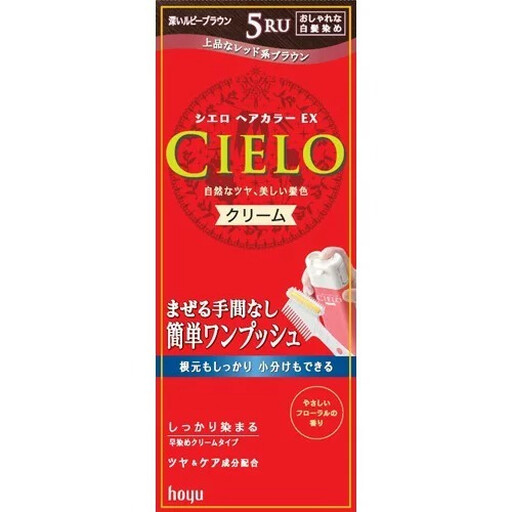
Why this choice suits this profile: Its pump system requires no pre-mixing and allows for partial application – ideal for a first at-home colour or targeted touch-ups.
The amount can be measured according to the areas you need to treat, which reduces waste compared to a one-time mixed batch.
Ready-to-apply cream, a stated development time of 15 minutes and a violet-brown shade with ruby highlights.
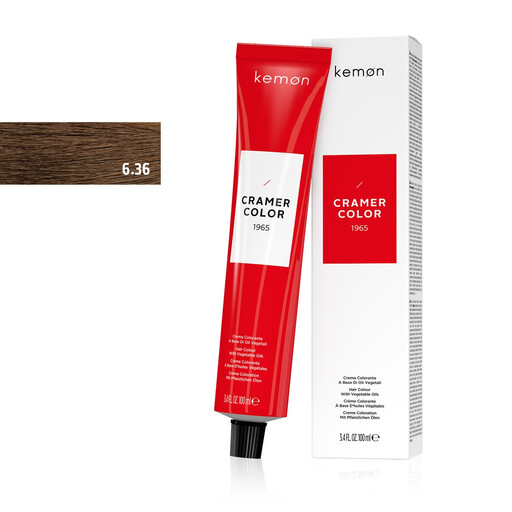
Why this choice suits this profile: This professional colour cream is aimed at those who are comfortable mixing with a suitable developer, as well as hairdressers looking for a 100 ml format.
The product page clearly states that the developer is not included – so you can calculate the total cost and choose a compatible protocol before buying.
Dark golden blonde shade, creamy texture and technology said to limit premature oxidation during application.
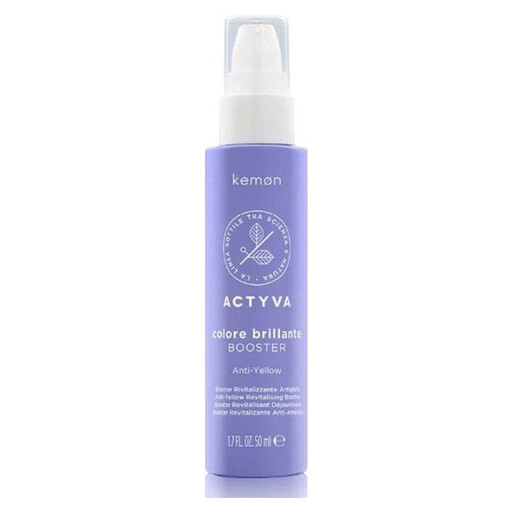
Why this choice suits this profile: This booster is used between salon visits or colour treatments to maintain blonde, bleached or naturally white hair.
It’s not a permanent colour – the 50 ml format and the dosage mixed with a mask make targeted maintenance easy.
Recommended mix of 5 to 8 pumps with 15 ml of mask, then a development time of 3 minutes.
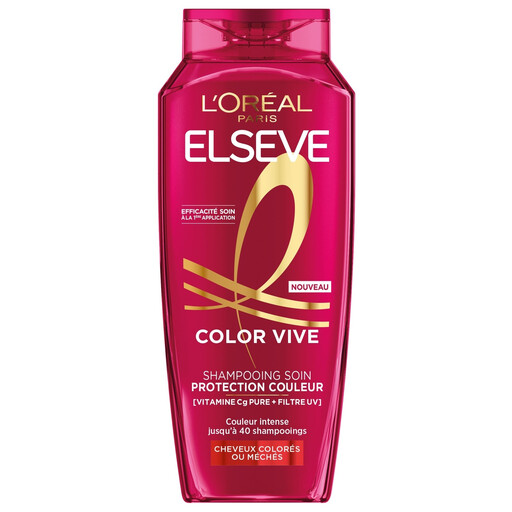
Why this choice suits this profile: This shampoo for coloured hair completes a maintenance routine after a brown, blonde, copper or red colour.
It focuses on maintenance rather than a new colour, which avoids unnecessary repeated permanent applications on the lengths.
300 ml format, stated UV filters and simple use on wet hair, followed by rinsing.
We’ve put together a comprehensive, real-time updated list of products that meet these strict selection criteria and European safety regulations.
Before an at-home colour, protect your clothes and skin, wear the gloves provided and work in a well-ventilated room. Never apply colour to an irritated or damaged scalp. Avoid any contact with your eyebrows and eyelashes. Once the development time is up, rinse thoroughly until the water runs clear, then apply the treatment included in the range.
Also follow the recommended waiting times after a perm, relaxer or chemical straightening. Root touch-up sprays must be kept away from any flame and should not be inhaled. A copper or red colour may require more maintenance – its highlights will gradually change with each wash.
A permanent colour designed to cover white hair is generally more suitable than a re-pigmenting treatment. Choose a shade close to your base and start applying it to the areas where grey hair is most visible, following the instructions on the pack.
How long it lasts depends on the formula, your hair’s porosity, how often you wash it, sun exposure and the shade you choose. A permanent colour remains in the hair fibre, but roots and highlights gradually become more visible or fade over time. A gentle shampoo and a re-pigmenting treatment can help prolong the vibrancy.
This change requires great care. A light colour won’t necessarily lift a previous dark colour, and yellow or copper tones may appear. For a major transformation, check your starting level, the protocol for the range and the condition of your hair before choosing a blonde colour.