
Livraison le jour même ou le lendemain

Qualité garantie

Débloquez vos offres de bienvenue: Livraison GRATUITE | Jusqu'à -80 % | 30 jours d'essai gratuits à JoyPlus
Téléchargez l'application
Dry hair, greasy roots, weakened lengths or curls that are hard to tame: hair care products shouldn't be chosen based solely on a promise printed on the bottle. An effective routine starts with identifying your main need, then examining the formula, the instructions for use, and how well it suits your hair type.
A shampoo can make hair feel softer and more supple from the very first use thanks to its conditioning agents, without actually treating severely damaged hair. Similarly, an oil can add shine and reduce the feeling of dryness, but it won't replace a reparative hair mask.
For hair weakened by colouring, heat styling or chemical treatments, it's better to build a consistent routine with shampoo, conditioner and deep treatment rather than layering products with similar functions.
A conditioner for fine hair should make detangling easier without weighing down the roots. Formulas rich in oils, butters or silicones can be great for dry lengths, but become too heavy when they reach the scalp.
Apply conditioner only to the mid-lengths and ends. To keep the result light, choose a fluid texture and stick to the recommended leave-in time.
These terms alone won't tell you whether a product is right for you. Instead, look at the INCI list, the volume, how often you'll use it, and any precautions. A vegan, cruelty-free formula may match your values, but it also needs to meet your expectations for texture, fragrance and tolerance.
Fragrances can contain allergens that must be declared, such as limonene, linalool or coumarin. If you have a sensitive scalp, check the ingredients before buying and stop using the product at the first sign of irritation.
The INCI list lets you identify conditioning agents, oils, proteins, fragrances and preservatives. Claims like sulfate-free, paraben-free, vegan or not tested on animals should be checked directly on the packaging and in the information provided by the manufacturer.
Japanese hair care products, for example, often focus on enveloping textures and blends of oils, proteins or plant extracts. They can be great for dry or treated hair, but a rich formula isn't necessarily the best choice for fine hair.
A 450 or 550 ml bottle is practical for regular use, while a 180 to 230 g mask is better suited to weekly application. Also check the leave-in time: some conditioners work in a few minutes, whereas a reparative hair mask requires more patience.
For styling, a hair fixing spray is applied to dry hair, keeping a certain distance. Aerosols are flammable, so keep them away from flames and heat sources, and use them in a well-ventilated room.
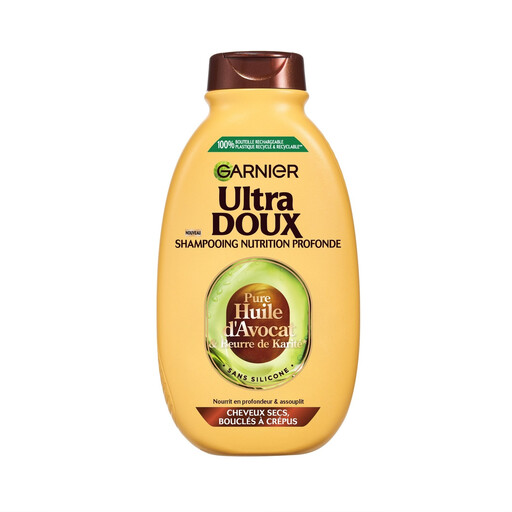
Why this choice suits this profile: This 300 ml shampoo is a great first step for dry, curly or frizz-prone hair. Its formula contains avocado oil and shea butter.
It clearly targets dry, curly and frizzy hair, rather than promising universal effectiveness without specifying the need it addresses.
A 300 ml format, a creamy texture and clearly identified nourishing agents in the ingredients list.
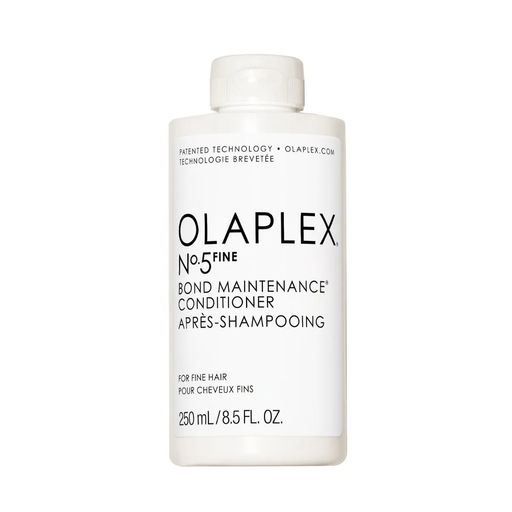
Why this choice suits this profile: Fine hair that needs detangling and softening will appreciate this lightweight 250 ml formula, designed to be applied to the lengths and ends.
Its positioning for fine hair reduces the risk of choosing a conditioner that's too rich or applying it to the roots.
The product page mentions a vegan, cruelty-free formula with a leave-in time of 1 to 3 minutes.
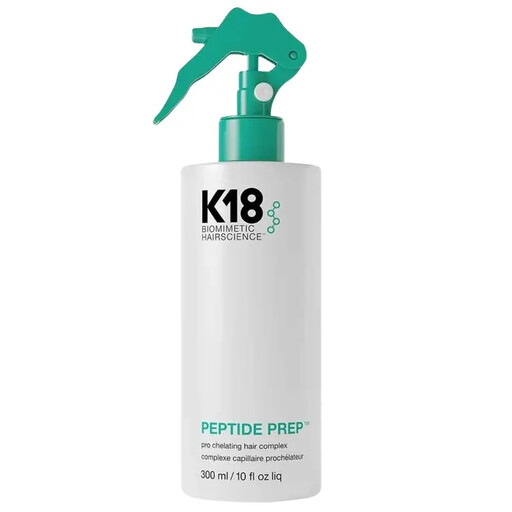
Why this choice suits this profile: This 300 ml treatment is aimed at those dealing with mineral build-up or who regularly have technical hair services.
It addresses a specific problem, mineral build-up, without claiming to replace a daily shampoo or mask.
A ready-to-use formula, no mixing required, with an application time of four minutes before rinsing.
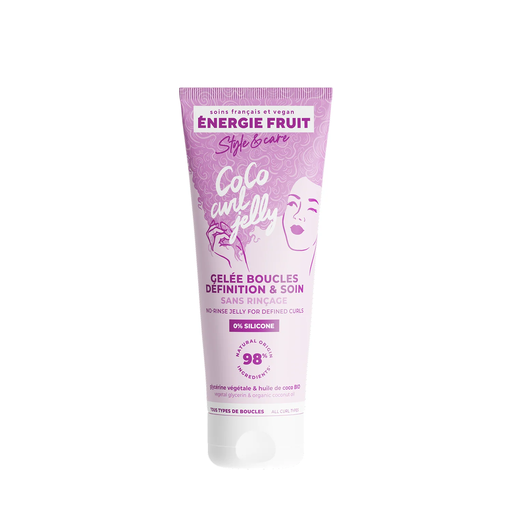
Why this choice suits this profile: This 200 ml gel is designed for those who want to structure their waves or curls without rinsing, on damp or wet hair.
The product page states an alcohol-free, leave-in formula: its styling role is therefore clearly distinct from that of a cleansing product.
A product made in France, with the product page stating 98% naturally derived ingredients.
We've put together a comprehensive, real-time selection of products that meet these exacting criteria and European safety standards.
Start with one to two applications per week. Apply the mask to the lengths and ends after shampooing, then adjust the frequency based on your hair's texture and condition.
Start with a small amount, avoid the roots and choose a fine hair conditioner with a lightweight texture. Reserve richer treatments for the ends or space out their use.
Start with a gentle shampoo and a hydrating treatment, then add a leave-in cream or a curl-defining gel. Apply a small amount to damp hair and see how it holds before adding more.