
Livraison le jour même ou le lendemain

Qualité garantie

Débloquez vos offres de bienvenue: Livraison GRATUITE | Jusqu'à -80 % | 30 jours d'essai gratuits à JoyPlus
Téléchargez l'application
Dry hair, greasy roots, fine strands or sensitised lengths: hair care products don’t all address the same needs. Choosing a shampoo just for its scent, using a mask that’s too rich, or applying too much oil can quickly weigh your hair down and push up your maintenance budget.
Before you place an order, take the time to separate marketing promises from what the label and instructions actually allow you to verify.
Fine hair can have dry ends. Greasy hair can also lack moisture on the lengths. A product designed for dry hair won’t necessarily suit your whole head of hair.
Examine each aspect separately:
Claims like “repair”, “volume” or “anti-hair loss” should be taken with a pinch of salt. A cosmetic treatment can improve the appearance, softness or detangling of your hair, but it cannot replace medical advice if you’re experiencing persistent or sudden hair loss.
When a brand quotes a specific result, check the conditions of use, the duration of the routine and the source cited. Stated performance figures are not a guarantee of results for every individual.
A large bottle is only economical if its formula actually suits your needs. Check the INCI list, fragrance allergens, and the presence of silicones, sulphates or oils, depending on your preferences. The terms vegan hair products and silicone-free hair products don’t mean the same thing: the first refers to the origin of the ingredients, while the second relates to the formula’s composition.
For a damaged hair treatment, look for conditioning agents, hydrolysed proteins or emollients suited to your texture. For a fine hair treatment, choose a lightweight formula and apply it sparingly to preserve your hair’s movement.
Silicone-free products don’t necessarily meet every expectation. Silicones can improve slip and provide cosmetic protection, while a formula without them may suit a personal preference or a specific routine. The key is to match the ingredient list to your goal.
Follow the recommended leave-on time, rinsing instructions and frequency of use. Hair products are intended for external use only. If they come into contact with your eyes, rinse thoroughly. If irritation occurs on your scalp or skin, stop using the product immediately. Aerosols, such as some styling mousses, should be kept away from heat and flames.
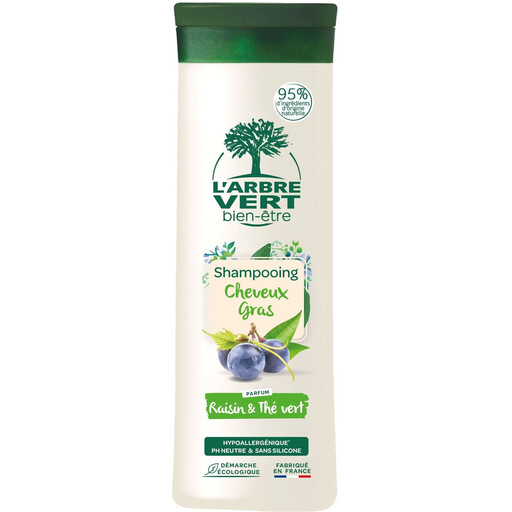
Why this choice suits this profile: with its 250 ml format, this shampoo offers a simple starting point for beginning a routine for greasy hair, without stockpiling products.
The formula is described as hypoallergenic, pH-neutral and free from persistent silicones. However, it’s still essential to read the label before use.
250 ml format, grape and green tea extracts listed in the formula, with targeted use for greasy hair.
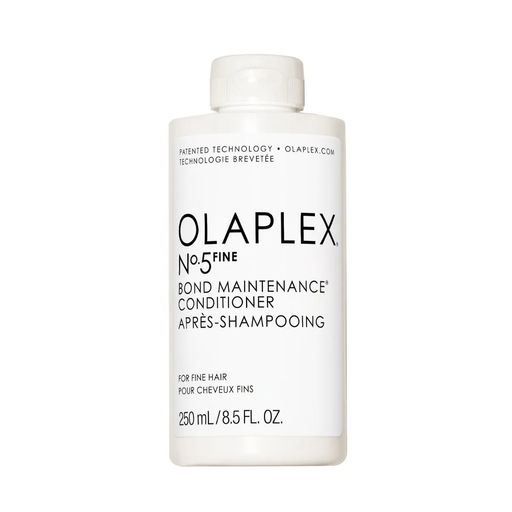
Why this choice suits this profile: its lightweight texture is described as suitable for fine hair that needs effective detangling and a soft feel, without weighing it down.
This is a targeted conditioner, not a rich mask to be used daily. Apply it only to the lengths and ends.
250 ml size, formula described as vegan, with a leave-on time of 1 to 3 minutes.
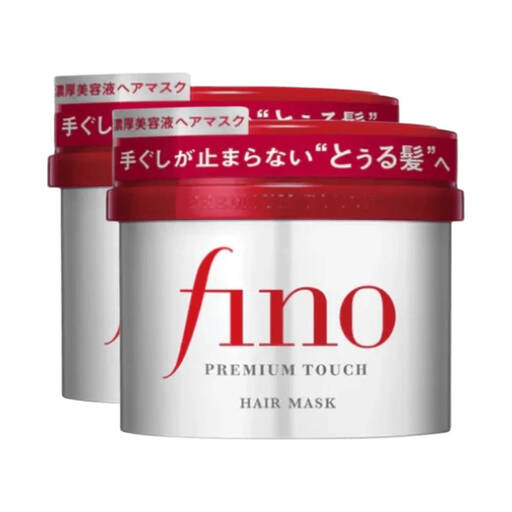
Why this choice suits this profile: this mask is aimed at people who regularly use hair dye, heat-styling tools or styling products and want to add a weekly treatment to their routine.
Its leave-on time is clearly stated and its frequency of use is limited to once or twice a week. This helps you avoid routinely replacing your conditioner with an intensive treatment.
Contains hydrolysed proteins, squalane and glycerine; also available in a pack of two 230 g pots.
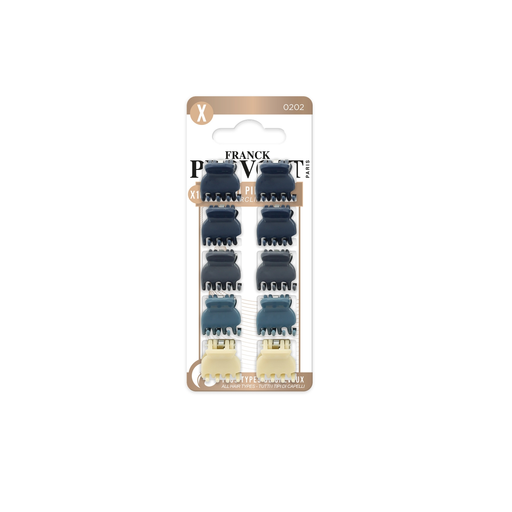
Why this choice suits this profile: these clips make it easy to section your hair during drying, cutting, colouring or styling at home.
The pack of 10 saves you from making multiple purchases, while the design is intended to hold sections without snagging or pulling.
10 units suitable for fine, thick, curly or straight hair, with a grip designed to hold sections in place.
We’ve put together a comprehensive, real-time selection of products that meet these exacting criteria and European safety regulations.
It all depends on how many products you use and how often you treat your hair. A basic routine can be limited to a shampoo and a conditioner. Add a weekly mask, a hair oil or a volumising mousse only if your hair genuinely needs it.
Check the best-before date, the period after opening if stated, and the batch number on the packaging. Close bottles carefully and store them away from heat and sunlight. If the smell, colour or texture changes, stop using the product.
A product marketed as an anti-hair loss treatment is generally a cosmetic product and won’t identify the cause of the hair loss. If the loss persists, worsens or is accompanied by scalp irritation, seek advice from a healthcare professional.